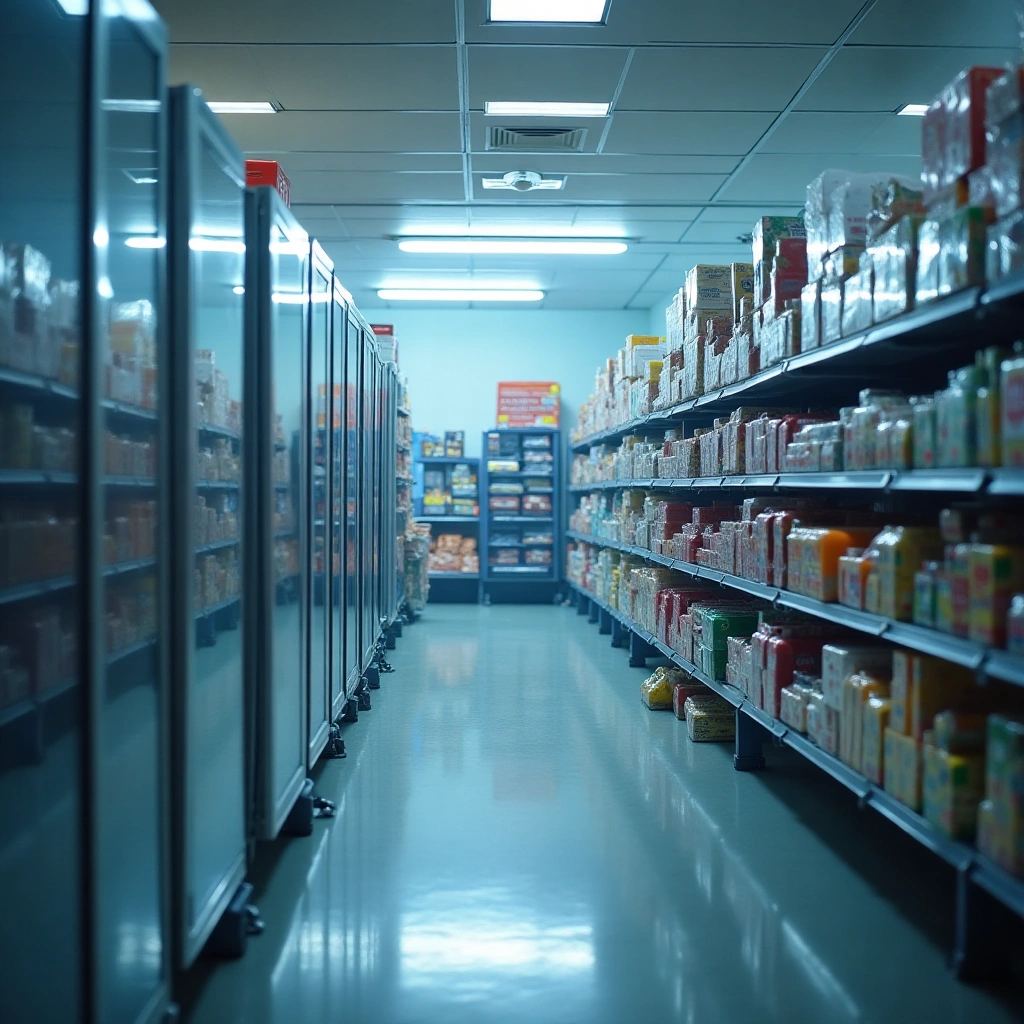
In October 2026, hackers launched an unprecedented cyberattack on supermarket refrigeration systems across France, remotely overriding thermostats to heat units to 50°C (122°F). This caused millions of euros in food spoilage and sparked fires in several stores. The breach exploited outdated firmware and default credentials in internet-connected controllers from manufacturers like Danfoss.
Well, folks, it seems like we’ve reached a new level of culinary chaos across Europe. Just when you thought your biggest worry was whether to buy organic or conventional produce, hackers decided to turn supermarket freezers into glorified saunas, raising temperatures to a blistering 50 degrees Celsius (that’s about 122 degrees Fahrenheit for those of you who still think in non-metric). Yes, you read that right: a cyberattack has left food stocks in Belgium, Sweden, and Ireland in a state of utter ruin. So, let’s dive into this frozen fiasco, shall we?
Picture this: you stroll into your favorite supermarket, ready to stock up on frozen pizzas and ice cream, only to find that the freezers are hotter than a summer day in the Sahara. Thanks to some nefarious hackers, the temperature inside those freezers has reached levels typically reserved for a sauna session. This digital heist has left a trail of spoiled food that would make any food lover weep.
This isn’t the first time we’ve seen such craziness. Just weeks ago, a similar attack hit France, costing supermarkets millions as they watched their frozen assets literally melt away. It seems like hackers have taken a page out of the old playbook of ‘if you can’t have it, ruin it for everyone else’—a classic move, if you ask me.
Now, you might wonder, why freezers? Why not attack something more exciting, like the latest gaming console or perhaps the WiFi of a coffee shop? Well, it seems the cold storage facilities of supermarkets are the new frontier for cybercriminals looking to wreak havoc. In a world where everything is connected, the humble freezer has become a target. Who knew that the battle of the century would be fought not in the streets, but in the aisles of your local grocery store?
This cyber food apocalypse has left many wondering how such an attack is even possible. And honestly, it’s a fair question. With all the advancements in technology, you’d think that supermarkets would have some sort of digital security measures in place. But alas, it appears that keeping the ice cream frozen is not as straightforward as it seems.
Now, for the real kicker: what happens to all that spoiled food? I can just imagine the puzzled looks on the faces of supermarket managers as they walk through aisles of defrosted items, wondering if they should just throw it all out or try to salvage something for a very questionable clearance sale. Spoiled food is not exactly a hot commodity, unless you’re a compost enthusiast.
In the grand scheme of things, this cyberattack is a reminder that we live in an increasingly interconnected world, where a few keystrokes can plunge entire countries into chaos. It’s a wake-up call for businesses everywhere to fortify their digital defenses. So, the next time you grab a pint of ice cream from the freezer, just remember: it could have been a lot worse. At least it’s not melted—yet.
In conclusion, if you’re in Belgium, Sweden, or Ireland, you might want to rethink your frozen food purchases for the time being. And as for the hackers, let’s hope they find a new hobby—perhaps something less destructive, like knitting or stamp collecting. Because at this point, Europe’s freezers are experiencing enough heat to rival a summer barbecue, and nobody wants to see their dinner plans go up in smoke—or worse, spoil in a hot freezer.
Inspired by: “Supermarket freezers across Europe struck in second crippling cyberattack — hackers raise temperatu…” (r/News)