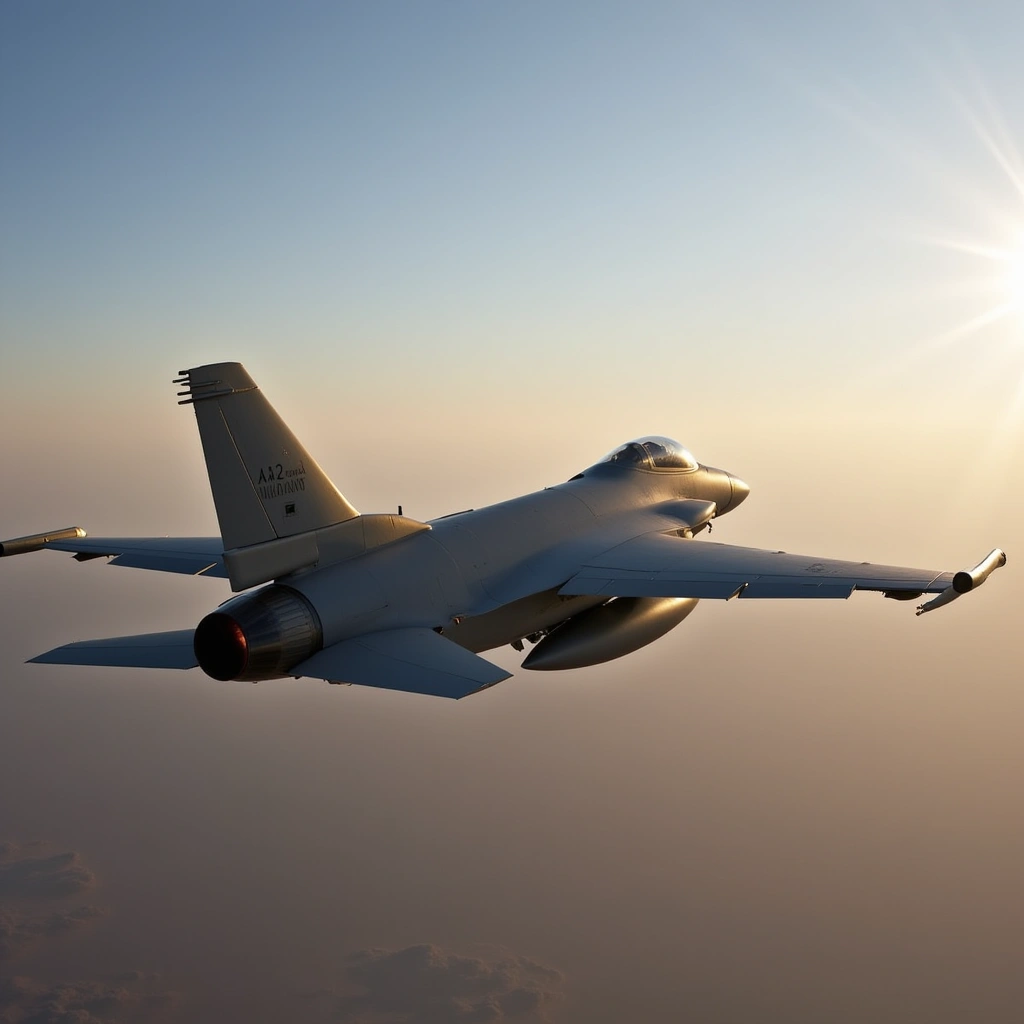
Since February 2026, Pakistan and the Taliban-led government of Afghanistan have been engaged in their most sustained cross-border conflict since the Taliban’s return to power, marked by Pakistani airstrikes on alleged militant hideouts and retaliatory shelling. Recent escalations in late September and early October 2026 involve Pakistani air strikes in provinces like Kandahar, Khost, and Helmand, which Islamabad claims targeted drone launch sites and terrorists, while Kabul reports significant civilian casualties and denies involvement in cross-border attacks. This ongoing violence, fueled by mutual accusations over the sheltering of Tehrik-e-Taliban Pakistan (TTP) militants, has severely complicated international mediation efforts by regional powers like China, Turkey, and Saudi Arabia.
In a world where news travels faster than a cat meme, the recent Pakistani airstrikes in Afghanistan have certainly made waves. On Thursday, reports emerged that these airstrikes in the Kunar and Helmand provinces resulted in at least nine fatalities and left eleven others injured. And, as you might expect in situations like this, the Afghan Taliban government has been quick to share their side of the story. Spoiler alert: it’s not pretty.
According to the Taliban, the strikes targeted three houses, with the unfortunate consequence of including women and children among the casualties. Now, I don’t know about you, but when I hear about airstrikes, I picture something out of an action movie, not a tragedy involving innocent civilians. But alas, reality is often less cinematic and far more tragic.
As of now, the Pakistani military has chosen to keep mum on the whole affair. One can only assume they’re busy drafting their own version of events or perhaps just trying to figure out how to spin this situation. After all, it’s not every day that you find yourself in a headline involving airstrikes and civilian casualties.
The situation is further complicated by the fact that Pakistan has claimed that their targets were militants, not civilians. This is a classic case of ‘he said, she said,’ but with a lot more at stake than just hurt feelings. When military operations are justified by the notion of targeting militants, it often leaves the innocent caught in the crossfire. And that’s not just a metaphor; it’s a reality that too many families are facing.
The news has been covered by various sources, including Salem Radio Network, WTOP News, and the Jerusalem Post, each adding their own flavor to the discussion. You know how it goes: one outlet calls it a tragedy, another calls it collateral damage, and yet another tries to sell you a subscription while they’re at it.
The reality is that the conflict in Afghanistan is far from over, and incidents like these only serve to highlight the complexities of military engagement in the region. With so many players involved and so many lives at stake, it’s easy to feel overwhelmed. It’s like a game of chess, but everyone’s playing their own version of the rules, and nobody seems to be in the right.
So, what can we take away from this? Well, for starters, airstrikes often come with unintended consequences—namely, the loss of innocent lives. It’s a sobering reminder that behind the headlines, there are real people affected by the decisions made in far-off military command centers. And while it’s easy to get caught up in the geopolitics of it all, we should never lose sight of the human cost involved.
As we continue to follow this story, let’s hope for a resolution that prioritizes peace and the protection of civilians. Because at the end of the day, isn’t that what we all want? Less violence, more understanding, and maybe a little less drama in our international news feeds. Here’s to hoping!
Inspired by: “Pakistani airstrikes on Afghanistan kill nine, Kabul says” (r/News)