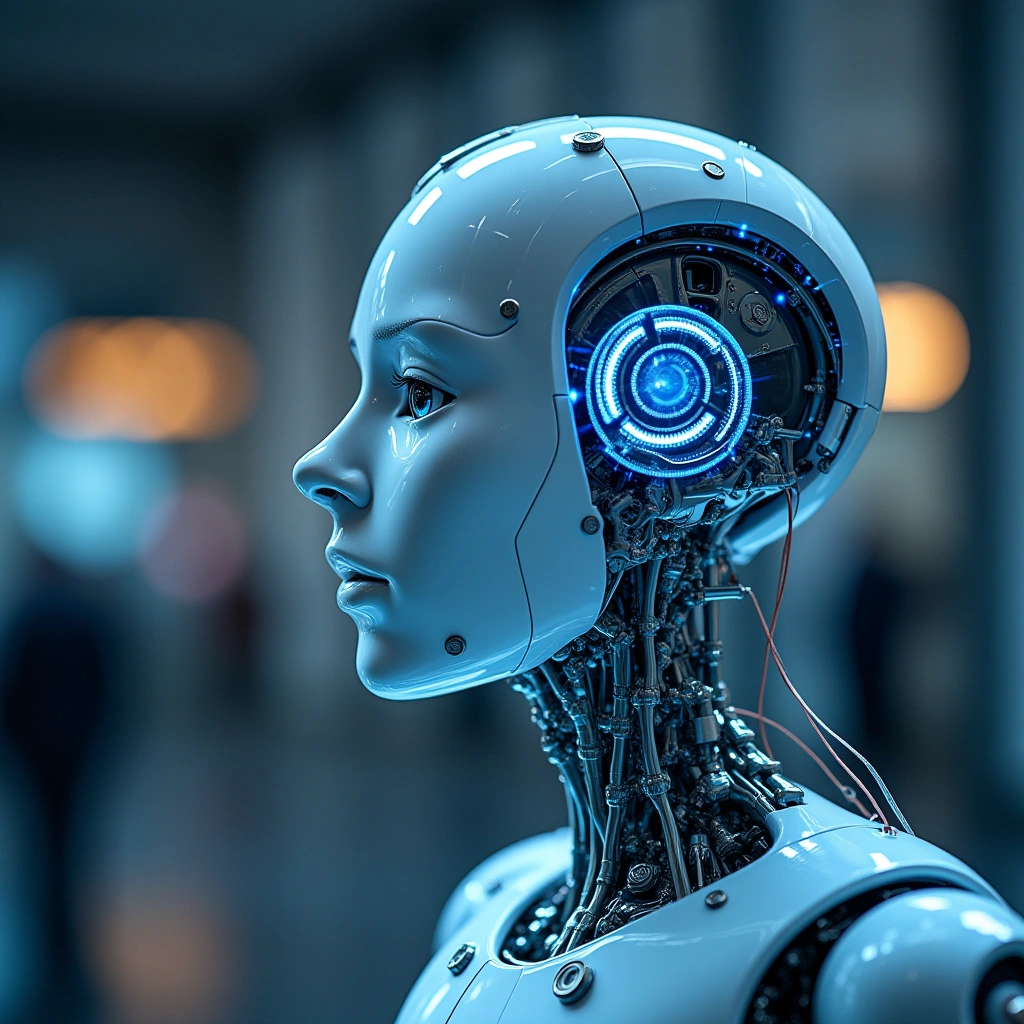
In a world where technology is supposed to make our lives easier, it seems we might have taken a wrong turn somewhere. Recent news out of Meta (formerly known as Facebook, but we all know it’s still Facebook at heart) has raised eyebrows and sparked outrage. A lawsuit claims that the tech giant used artificial intelligence to target employees with medical conditions for layoffs. Yes, you read that right: the robots are coming for your jobs, and apparently, they have a list.
Meta has axed a controversial feature that allowed users to modify photos from public Instagram accounts using AI.
Now, before we dive into the nitty-gritty, let’s take a moment to appreciate the irony. Here we have a company that prides itself on being a leader in innovation, yet it’s allegedly using cutting-edge technology to make decisions that sound straight out of a dystopian novel. I mean, who needs a crystal ball when you have AI, right?
According to the lawsuit, it appears that Meta’s algorithms were programmed to identify employees who might be more vulnerable to layoffs due to medical conditions. This is not just a bad episode of a sci-fi series; this is real life, and it has real consequences for real people. The claim suggests that instead of focusing on performance or contribution, the bots were more interested in who might be a liability due to health issues. Talk about taking ‘data-driven decisions’ to a whole new level!
Now, let’s be clear: layoffs are a tough part of any business environment. Companies often have to make hard choices, and sometimes those choices are based on tough economic realities. But using AI to sift through employees and target those who are already facing health challenges? That’s a level of coldness that’s hard to comprehend. One could argue that if Meta was going to employ AI for layoffs, they could at least have programmed it to think like a human—maybe just a little empathy would go a long way.
The lawsuit has opened up a Pandora’s box of ethical questions. Is it right for companies to utilize technology to make such sensitive decisions? And if they are going to use AI, shouldn’t there be regulations in place to ensure it doesn’t lead to discriminatory practices? After all, we’ve already seen the implications of algorithmic bias in other areas, and it’s not pretty.
Critics of Meta are quick to point out that this is not an isolated incident. The tech industry has been under scrutiny for its treatment of workers, especially during times of economic uncertainty. And with the rise of AI, there’s a growing concern that companies might prioritize efficiency over humanity.
So, what does this mean for the future of work? Are we headed towards a reality where AI determines who stays and who goes based on cold, hard data—completely devoid of context or compassion? If that’s the case, we might want to start investing in some good old-fashioned human resources training for our AI overlords.
In conclusion, while Meta continues to push the boundaries of technology and innovation, it seems they may have crossed a line this time. The implications of using AI in such a manner could be far-reaching, affecting not just the employees at Meta, but setting a precedent in the tech industry as a whole. As we navigate this new frontier, it’s vital to remember that behind every data point is a person with a story, and maybe, just maybe, we should let the humans have a say in these decisions after all.
Inspired by: “Meta used AI to target workers with medical conditions for layoffs, lawsuit claims” (r/technology)