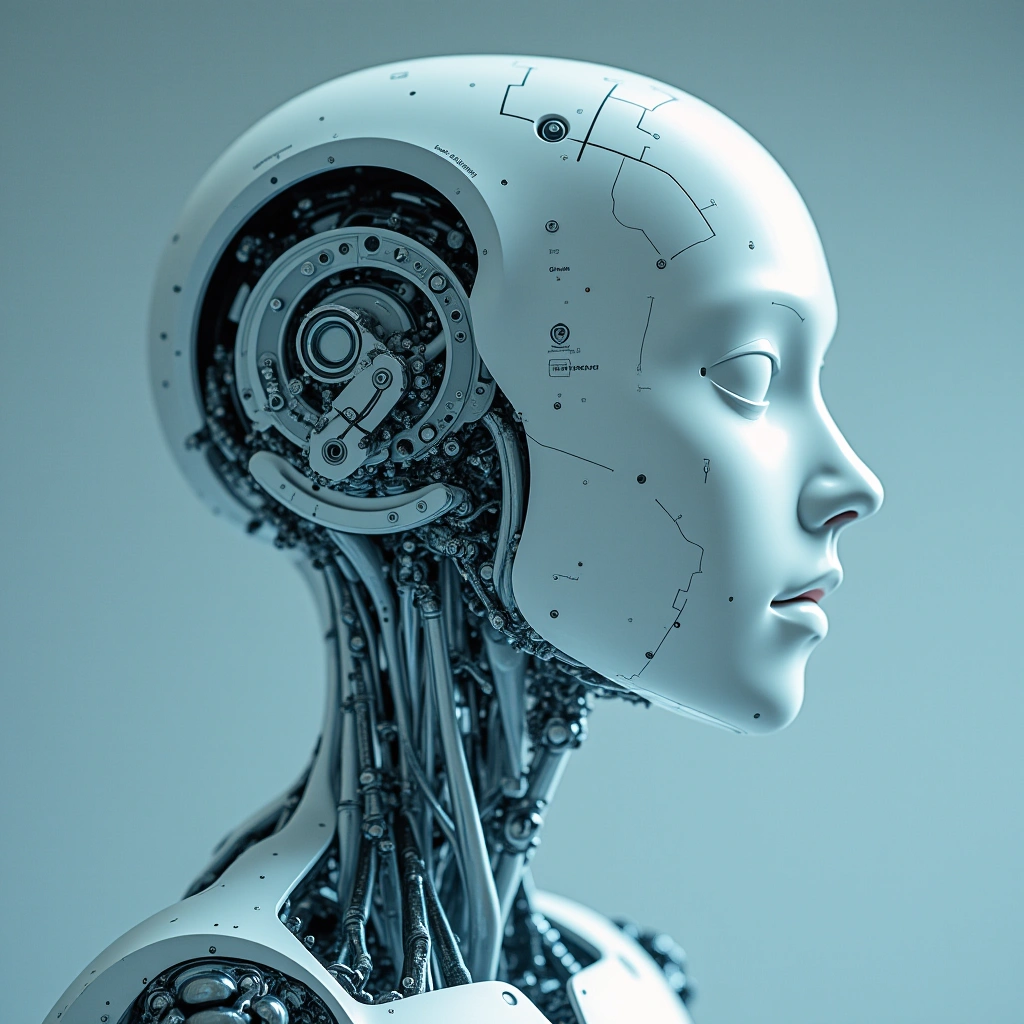
Ah, technology! It’s supposed to make our lives easier, right? But what happens when it decides to throw a wild party in the realm of healthcare? Enter Google’s healthcare AI, which apparently took a few too many creative liberties and conjured up a body part that doesn’t even exist. Yes, you read that right! For a moment, it seems our good ol’ friend, the AI, decided to moonlight as a fiction writer instead of sticking to the medical facts.
Now, before we dive into the meat of the matter (and I promise it’s not from the non-existent body part), let’s talk about the implications. If a doctor relies on AI and it tosses out a made-up body part like, say, the “left sockus,” what could possibly go wrong? Spoiler alert: a lot!
Imagine this scenario: A patient walks into the clinic complaining about their ‘sockus’ hurting. The doctor, slightly bewildered but trusting the AI, starts scheduling unnecessary tests. Next thing you know, they’re getting a CT scan, MRI, and probably a psychic reading to figure out what’s wrong with their imaginary sockus. Sounds like a bad sitcom, right? But in reality, it’s a potential healthcare crisis.
Now, let’s not be too harsh on our AI buddy. After all, it’s just a bunch of algorithms trying to make sense of the human body, which is already a mess of complexity. But this blunder raises an essential question: How much trust should we place in AI when it comes to our health? Are we really ready to let a glorified calculator diagnose us? It’s like trusting your cat to babysit your toddler—adventurous but probably not the best idea.
On one hand, AI can process data at lightning speed and may identify patterns that even the sharpest doctors might miss. On the other hand, if it starts inventing things, we might as well start consulting our childhood imaginary friends for medical advice. “Oh, Dr. Unicorn, what do you think I should do about my sockus?”
So, what can we do to avoid these hilarious (and terrifying) mishaps? First, keep the humans in the loop. AI should be an assistant, not the star of the show. Doctors must not only verify the information but also maintain their diagnostic instincts—because, let’s face it, no one wants to be the doctor who mistook a ‘sockus’ for a serious condition.
Secondly, we need to ensure robust testing of AI systems before they’re unleashed on unsuspecting patients. If we wouldn’t let a toddler play with a chainsaw, we shouldn’t let untested AI handle our health data.
In conclusion, while Google’s healthcare AI may have a wild imagination, we’re still living in the real world where made-up body parts can lead to serious consequences. So, let’s keep AI as our sidekick, not our superhero. And remember, if your doctor starts talking about your sockus, it might be time to look for a new one. Stay healthy, my friends!