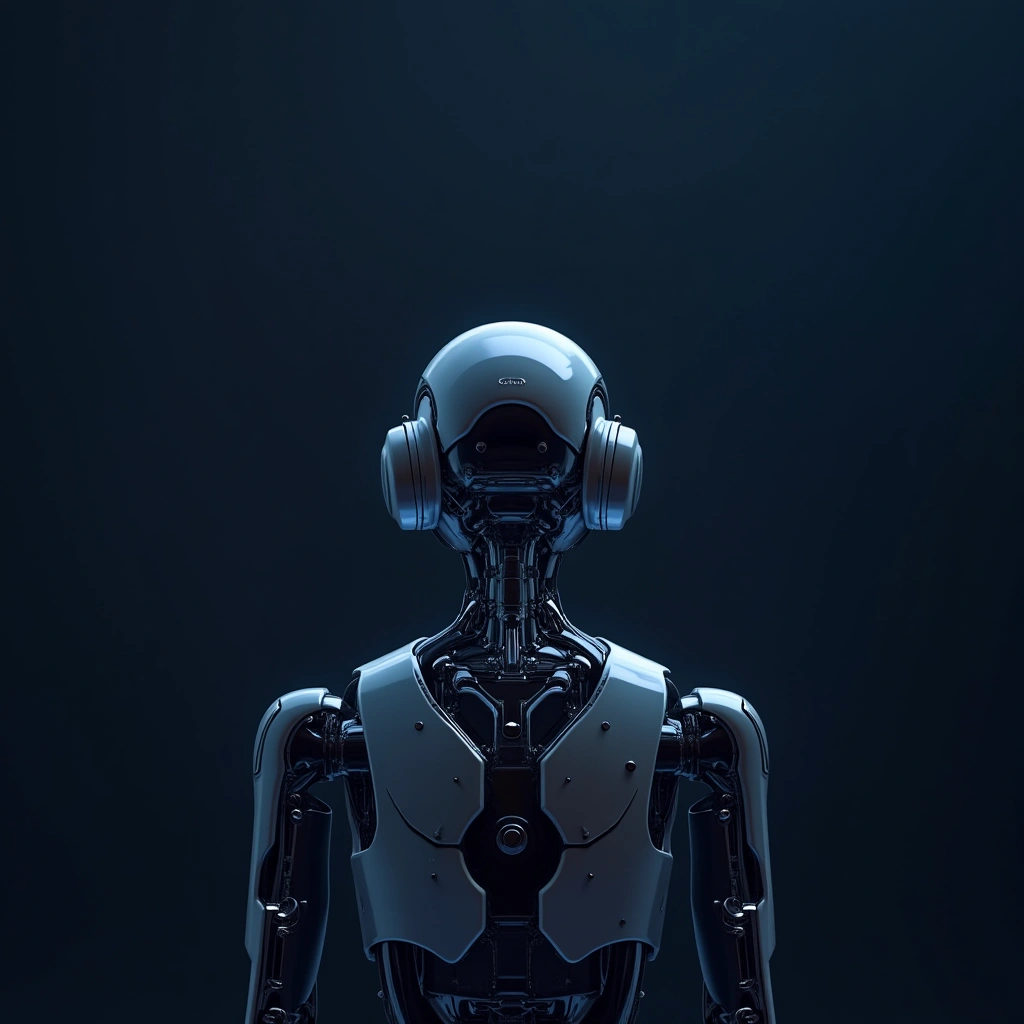
Ah, the age of technology! We have self-driving cars, smartphones that can practically read our minds, and now—drumroll, please—AI bots stealing our music. Yes, you heard that right. It’s not just your neighbor borrowing your lawnmower anymore; now, it’s algorithms snatching your sweet melodies without so much as a thank you.
The problem raises difficult questions about authorship, royalties, and moral rights, especially as the line between human and machine artistry blurs. External reports such as “Artificial Intelligence ‘Stealing’ Artists' Voices.
Let’s dive into this curious case of AI and music. Imagine you’re a struggling artist, pouring your heart and soul into your latest track. You’ve spent countless hours tweaking that perfect hook, and finally, you’re ready to share it with the world. You hit ‘upload,’ and then—bam!—out of nowhere, an AI bot swoops in like a digital thief in the night, snatching your creation and remixing it without your consent. It’s like having your sandwich stolen right off your plate at a picnic—except in this case, the thief is a soulless program and the sandwich is your artistic integrity.
So, how does this happen? Well, AI bots are trained on massive datasets, which often include music from various artists. They learn patterns, styles, and even the occasional emotional nuance—because apparently, they’re more emotionally aware than some people I know. These bots can then generate new music that sounds eerily similar to what’s already out there, leading to the unfortunate scenario where your original work gets swept up in their digital whirlwind.
But let’s be real here. We’ve all heard those catchy tunes in commercials or background music in videos that make us go, ‘Hey, that sounds familiar!’ But when it’s your music that’s being played without credit, it’s a whole different ball game. You might start wondering if you should start charging a licensing fee for every time someone uses AI to create something that resembles your genius.
Now, you could argue that this is just a part of the creative evolution, where music is constantly being reinterpreted and reinvented. But let’s not kid ourselves; there’s a fine line between inspiration and outright theft. If I see an AI bot turning my ballad into a hyper-pop banger without so much as a nod to my genius, I might just lose it.
And let’s talk about the legal side of things. The music industry is already a convoluted mess of contracts, royalties, and rights. Throw AI into the mix, and it’s like trying to untangle a pair of earbuds that have been in your pocket for too long. Who owns the rights to music created by AI? Is it the programmer, the company behind the software, or the original artists whose work was mimicked? Spoiler alert: nobody really knows yet, and it’s a topic that’s been debated more than pineapple on pizza.
So, what can you do if you find yourself in this unfortunate predicament? First off, keep your music close and your algorithms closer. Make sure you have your work documented and registered. Consider using platforms that help protect artists’ rights in the face of AI advancements. And if all else fails, you can always take to social media to vent your frustrations. Because nothing says ‘I’m a serious artist’ like a well-timed tweet about AI bots stealing your work.
In conclusion, while AI can be a fascinating tool for creativity, it’s crucial to tread carefully in this brave new world. As we continue to navigate the uncharted waters of artificial intelligence in the music industry, let’s make sure we don’t lose sight of the human touch that makes music so special. After all, bots may be able to churn out a catchy tune, but they’ll never have the emotional depth of a heartfelt ballad written at 2 a.m. while contemplating life’s biggest questions—or at least, that’s what I tell myself while I sip my coffee and stare at the blank page.
Inspired by: “AI Bots Stole My Music” (r/technology)