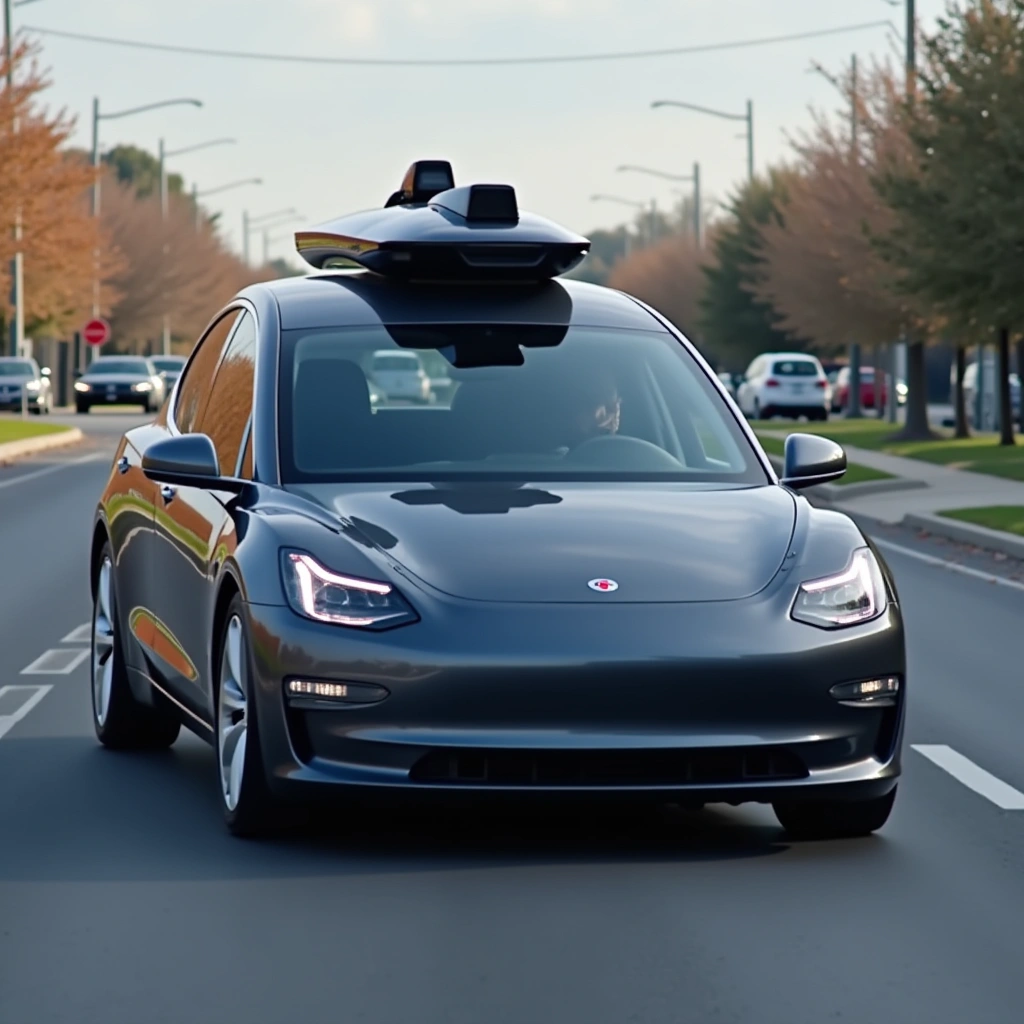
So, here’s a fun fact for you: a recent U.S. study has found that Waymo’s driverless cars are involved in 68% fewer crashes than your average human driver. Yes, you read that right—68%! That’s like saying if you had a pet rock instead of a dog, you’d have 68% fewer incidents of it chewing your shoes. Now, before we dive into the nitty-gritty, let’s take a moment to appreciate just how impressive that number is.
Waymo’s data is derived from crashes reported under NHTSA’s Standing General Order (SGO) and uses the same criteria as described in Kusano et al. (2024) and Kusano et al. (2025). We are intentionally using publicly available data to allow other researchers to replicate the results. To link the data shown on this dashboard to NHTSA’s published SGO data, researchers can download a list of SGO report IDs and boolean membership in each outcome group in the download section below. Comparisons of crash rates for the outcomes listed below and additional outcomes described in the release notes are a
In a world where distracted driving is practically a sport (thanks, TikTok!), the idea that a car programmed by humans could be safer than humans themselves is both mind-boggling and a tad comforting. I mean, think about it: how many times have you seen someone weaving in and out of traffic while they’re busy texting about their lunch? Spoiler alert: it’s a lot.
Waymo, which is Google’s self-driving car project, has been at the forefront of autonomous vehicle technology. Their cars are equipped with a plethora of sensors, cameras, and, let’s be honest, probably a tiny robot that’s constantly assessing the likelihood of a pedestrian darting out in front of them. All of this tech helps them navigate the roads with a level of precision that most of us can only dream of when parallel parking.
Now, I know what you’re thinking: “But aren’t those driverless cars just a little too robotic?” Well, yes, they’re not exactly going to stop and chat with you about the weather or compliment your taste in music. But when it comes to safety, perhaps a little less humanity is a good thing. After all, these cars don’t get distracted by that catchy tune on the radio or decide to take a selfie while driving. They’re all about the road and nothing but the road.
The study that highlighted this impressive statistic took a close look at various factors, including the types of crashes and the circumstances surrounding them. Interestingly, it found that while humans might have a tendency to panic or make rash decisions (like slamming on the brakes for a squirrel), Waymo’s vehicles are programmed to handle such situations with a cool, collected approach. Think of them as the zen masters of the road, calmly assessing every situation while the rest of us are busy losing our cool over a missed exit.
Of course, it’s not all rainbows and sunshine. There are still challenges to overcome in the realm of autonomous driving. For instance, how do you program a car to react in a situation where an unexpected event occurs, like a baby deer suddenly deciding to audition for a role in Fast & Furious? But the good news is that the technology is continuously evolving, and the more data these cars collect, the smarter they become. It’s kind of like how we all get a little wiser with age—just without the back pain and questionable fashion choices.
In conclusion, while human drivers might still be out there causing chaos on the roads, Waymo’s driverless cars are proving to be a safer alternative. So, the next time you see one of those futuristic vehicles cruising by, just remember: it’s not just a car; it’s a potential life-saving machine. And who knows—maybe one day, we’ll all be taking a backseat while our trusty autonomous companions handle the driving. But for now, let’s just be thankful that someone, or rather something, is out there doing a better job than most of us on the road.
Inspired by: “Waymo’s driverless cars involved in 68% fewer crashes than human drivers, U.S. study finds” (r/technology)