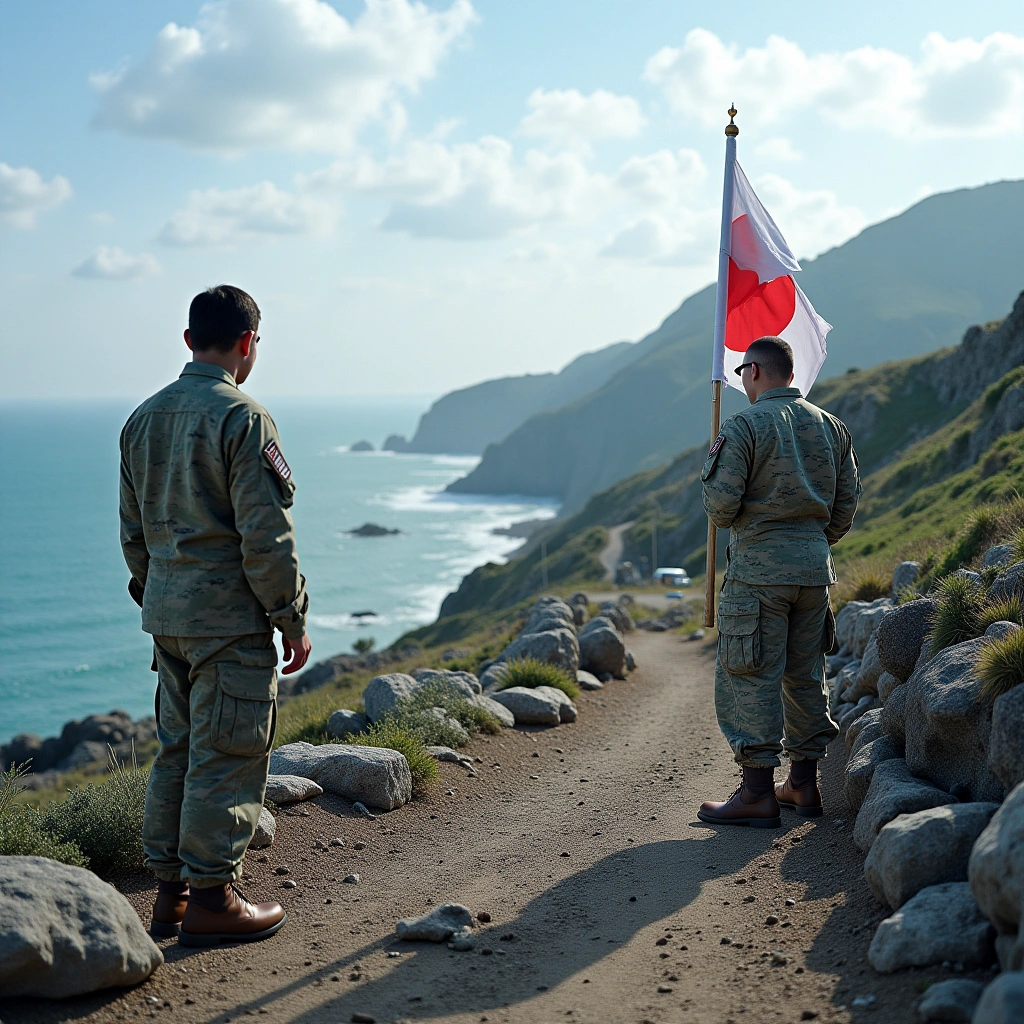
1. Introduction On the main island of Okinawa prefecture, over 1,500 km southwest of Tokyo and surrounded by the sprawling city of Ginowan, lies US Marine Corps Air Station (MCAS) Futenma.
In a move that has made headlines and probably caused a few raised eyebrows, US Secretary of State Marco Rubio has pledged cooperation with Japanese authorities regarding a rather grim situation unfolding in Okinawa. This comes on the heels of the tragic death of a 39-year-old Japanese woman that has led to the arrest of a US Marine on suspicion of murder. Not exactly the kind of news you want to read over your morning coffee, right?
Now, let’s unpack this a bit. The incident has not only sent shockwaves through the local community but has also ignited protests against the US military presence on the island. Yes, the tensions that have been simmering for years are back on the front burner, and it seems like they’re not going anywhere anytime soon.
Rubio’s promise of cooperation with Japan is crucial, especially given the sensitive nature of the situation. The US military has a significant presence in Japan, particularly in Okinawa, where they have been stationed since World War II. This presence has been a double-edged sword. On one hand, it’s meant to ensure regional security; on the other, it can lead to tensions and incidents like this one.
The protests erupting in the wake of this incident are a testament to the frustrations many locals feel about the military’s presence. It’s like having an uninvited guest who refuses to leave, and then when they finally do, they break something valuable in your living room. You can’t help but feel a bit annoyed.
To address these concerns, the US military is implementing a mandatory training program for personnel stationed in Okinawa. Because nothing says, ‘We care!’ quite like a training seminar, right? But in all seriousness, this program is likely aimed at preventing future incidents and ensuring that military personnel understand and respect the local culture and laws. It’s a step in the right direction, but one can’t help but wonder if it’s enough.
The broader implications of this incident are significant. It raises questions about the future of US-Japan relations and the role of the US military in the region. While both countries have historically enjoyed a strong partnership, incidents like this can strain ties and provoke nationalistic sentiments on both sides. It’s a delicate dance, and let’s hope everyone remembers the steps.
As we continue to follow this story, it’s essential to recognize the human element at play. A life has been lost, families are grieving, and a community is shaken. Amid the political maneuvering and diplomatic pledges, let’s not forget the real impact this has on people’s lives. In the end, cooperation is vital, but it must be rooted in understanding and respect, not just agreements on paper.
So, here’s to hoping that Rubio’s pledge leads to meaningful action and that we can eventually see a resolution that honors the memory of the woman lost and fosters a more harmonious relationship between the US military and the people of Okinawa. Because at the end of the day, no one wants to live in a perpetual state of tension, right?
Inspired by: “Rubio pledges US cooperation in Okinawa murder case” (r/News)