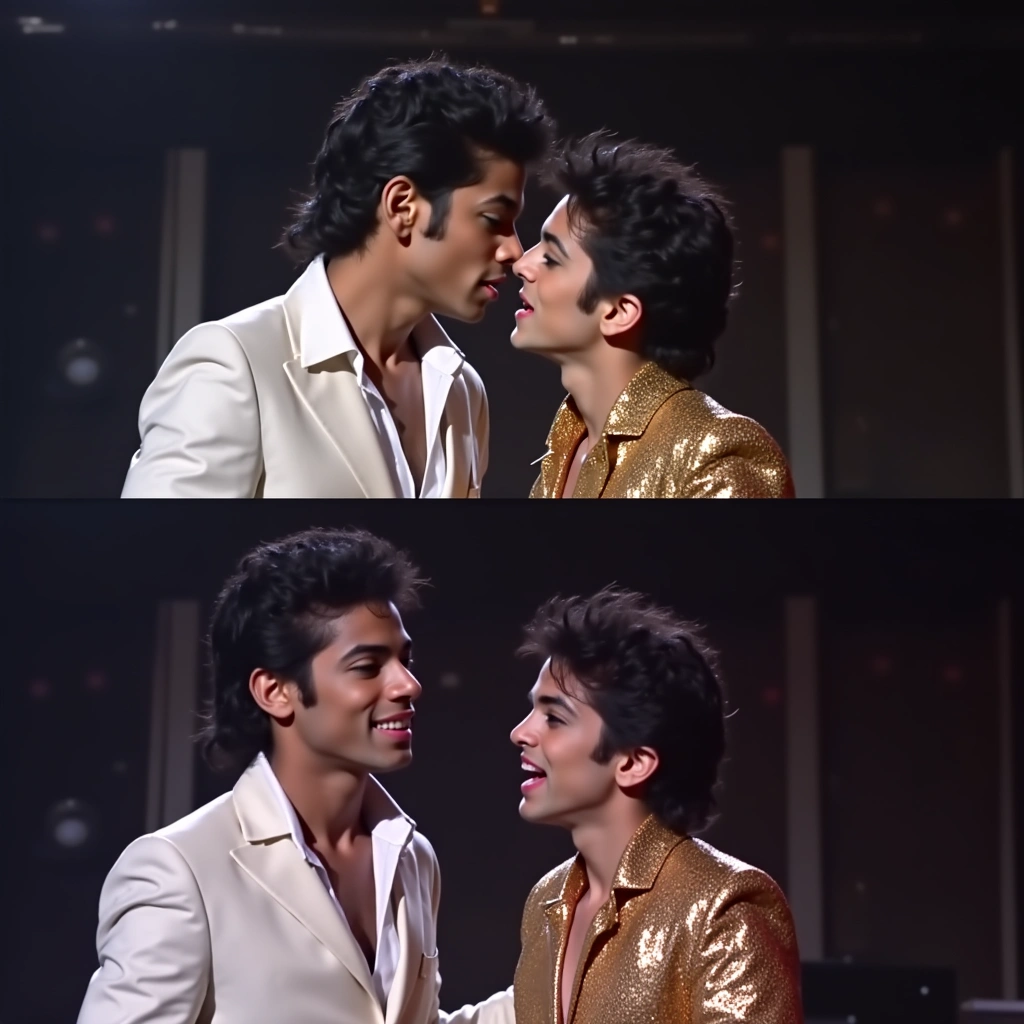
Ah, Michael Jackson’s “Black or White” – the song that made us all question why we were doing the moonwalk in our living rooms instead of on stage with MJ himself. Released in 1991, this iconic music video was a cultural phenomenon, combining infectious beats with a message of racial harmony. But let’s not forget the other half of the story – the edited scenes that stirred up quite the controversy and left fans scratching their heads. So, grab your popcorn as we dive into the world of original versus edited scenes in this legendary music video!
The Original Vision
First off, let’s talk about the original version. The video begins with a bang, featuring MJ morphing from a panther (yes, you read that right) into a human being. It’s like he was saying, “I’m not just a pop star; I’m a magical creature too!” But things get even juicier as the video progresses. The original scenes included some fiery dance sequences, a celebration of cultural diversity, and a hint of that signature Michael Jackson flair.
*Look at him go! The original MJ is unstoppable.*
However, it’s the ending sequence that truly shook the world. We’re talking about that infamous dance number with a bunch of kids from various backgrounds, and of course, that now-viral scene where MJ’s face morphs into different ethnicities. It was a bold statement, albeit a tad controversial. Some folks loved it, while others were like, “Whoa, MJ, slow your roll with the face swaps!”
The Edited Version
Fast forward to the controversy that followed. Due to complaints about the graphic nature of some scenes – including MJ smashing cars and pulling a Michael Bay with explosions – the video was edited shortly after its release. Here’s the kicker: the edited version cut out a significant chunk of that original ending, which means we missed out on some serious dance moves and, well, MJ’s face turning into a mini United Nations meeting!
The revised version still captures the essence of Jackson’s message but veers away from the original’s raw energy. It’s like putting a lid on a boiling pot of water – it takes away the fun (and the potential for some epic spillages). The edited video was a toned-down version aimed at appeasing critics and perhaps the more sensitive viewers.
The Fallout
Now, let’s get into the juicy part – the fallout from these edits. Imagine being a die-hard MJ fan and suddenly finding out you missed out on a culturally rich and visually stunning ending! It’s like discovering that your favorite pizza place just decided to serve plain cheese instead of their famous loaded pie. Heartbreaking, right?
Fans took to forums, social media, and even carrier pigeons (okay, maybe not that last one) to express their displeasure. Some argued that the edits diluted MJ’s powerful message about unity and acceptance. Others were just mad about missing out on the epic dance moves.
Conclusion: The Battle of Interpretation
In the end, whether you prefer the original or the edited version, both hold a special place in the history of music videos. The original is a bold statement, while the edited version is a safer, more palatable option for mainstream audiences. It’s a classic case of art meeting commerce – a tale as old as time, like the eternal debate on whether pineapple belongs on pizza.
So, which version do you prefer? The original, filled with raw energy and cultural statements, or the edited one that, while still powerful, lacks some of that MJ magic? Let us know in the comments, and remember to keep the moonwalking alive!
After all, no matter what, Michael Jackson remains the King of Pop, and that’s a title nobody can edit away!