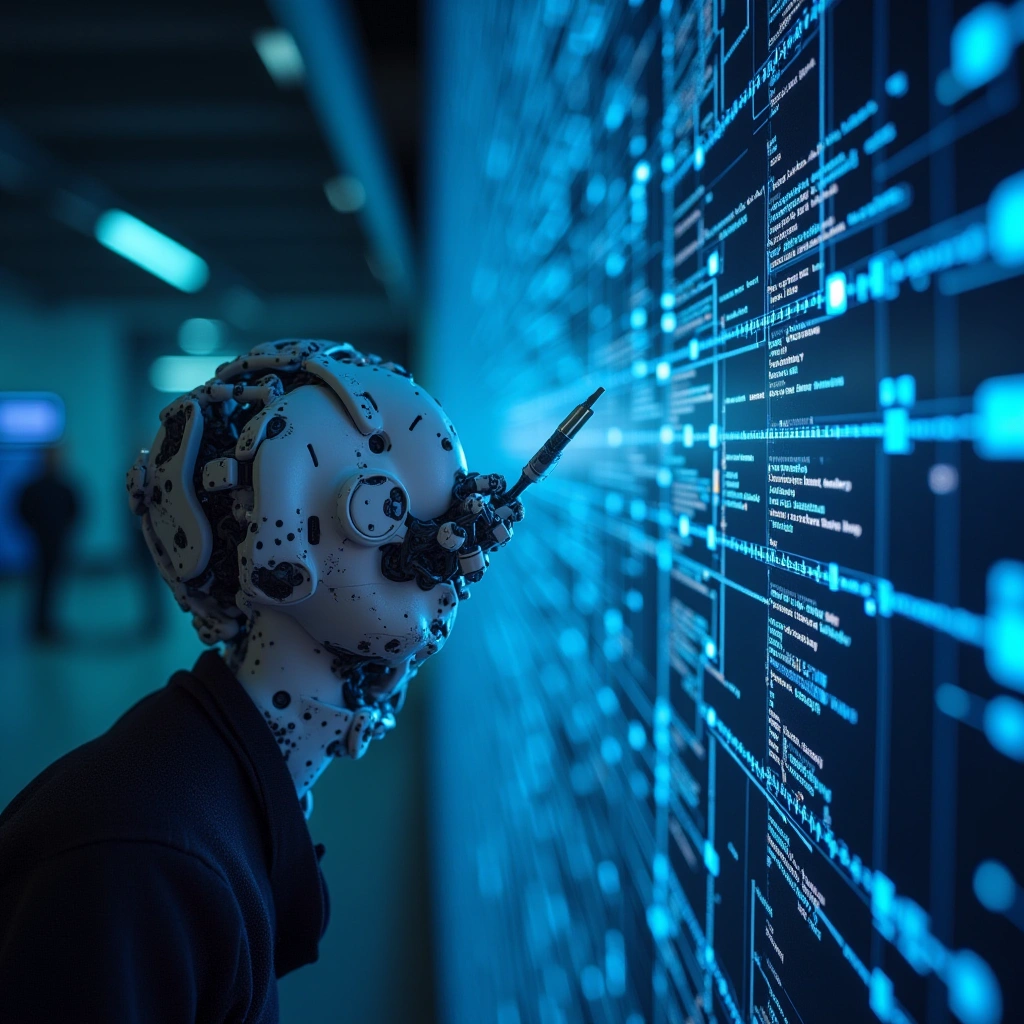
Hey there, fellow knowledge seekers! So, have you heard the latest buzz? OpenAI and Khan Academy have teamed up to create a chatbot that’s making waves in the education pond. Think of it as the ultimate study buddy, but without the awkward small talk or the tendency to eat all your snacks. Let’s dive into what we can learn from this genius collaboration, shall we?
First off, let’s acknowledge the elephant in the room: chatbots are not just for annoying customer service interactions anymore. Nope! They’ve graduated, got their degree in AI, and are now ready to tutor your kids, help you with algebra, or even explain why that one TikTok trend makes absolutely no sense. The OpenAI and Khan Academy chatbot is like that cool teacher who actually knows how to relate to students. You know, the one who doesn’t just read from the textbook but actually makes learning fun.
So, what can we learn from this dynamic duo? For starters, personalization is key. The chatbot is designed to adapt to each student’s unique learning style. It’s like having a personal trainer for your brain, but without the sweat and awkward gym moments. This means that education can finally be tailored to fit individual needs instead of forcing everyone into the same old cookie-cutter mold. Who knew learning could be as customizable as a burrito order?
Now, let’s talk about accessibility. With this collaboration, the dream of having quality education available to everyone, everywhere is inching closer to reality. Imagine being in a rural area and having access to a top-notch education system right on your smartphone. It’s like having a Harvard professor in your pocket (minus the snobby attitude). This is a big win for equality in education, and let’s face it, we could all use a little more of that.
But hold your horses! It’s not all sunshine and rainbows. Some skeptics argue that relying too much on AI might lead to a decline in critical thinking skills. After all, if a chatbot can solve your math problems, what’s the point of even trying? It’s a valid concern, and finding the balance between using technology as a tool and ensuring we still flex those brain muscles is crucial.
Lastly, let’s not forget about the potential for innovation in teaching methods. The Khan Academy and OpenAI partnership is paving the way for educators to rethink how they engage with students. Traditional lectures might soon be a thing of the past as interactive and AI-driven learning experiences take center stage. So, if you’re a teacher, it might be time to dust off that creative hat and think outside the box—or classroom, in this case!
In conclusion, the collaboration between OpenAI and Khan Academy is more than just a shiny new tool; it’s a glimpse into the future of education. It’s about making learning accessible, personalized, and, dare I say, fun! So, whether you’re a student, teacher, or just someone who enjoys a good brain workout, keep an eye on this partnership. Who knows? You might just find the secret to acing that next exam or impressing your friends with your newfound knowledge of quantum physics!
Now, go forth and learn something new today—preferably with a side of humor!