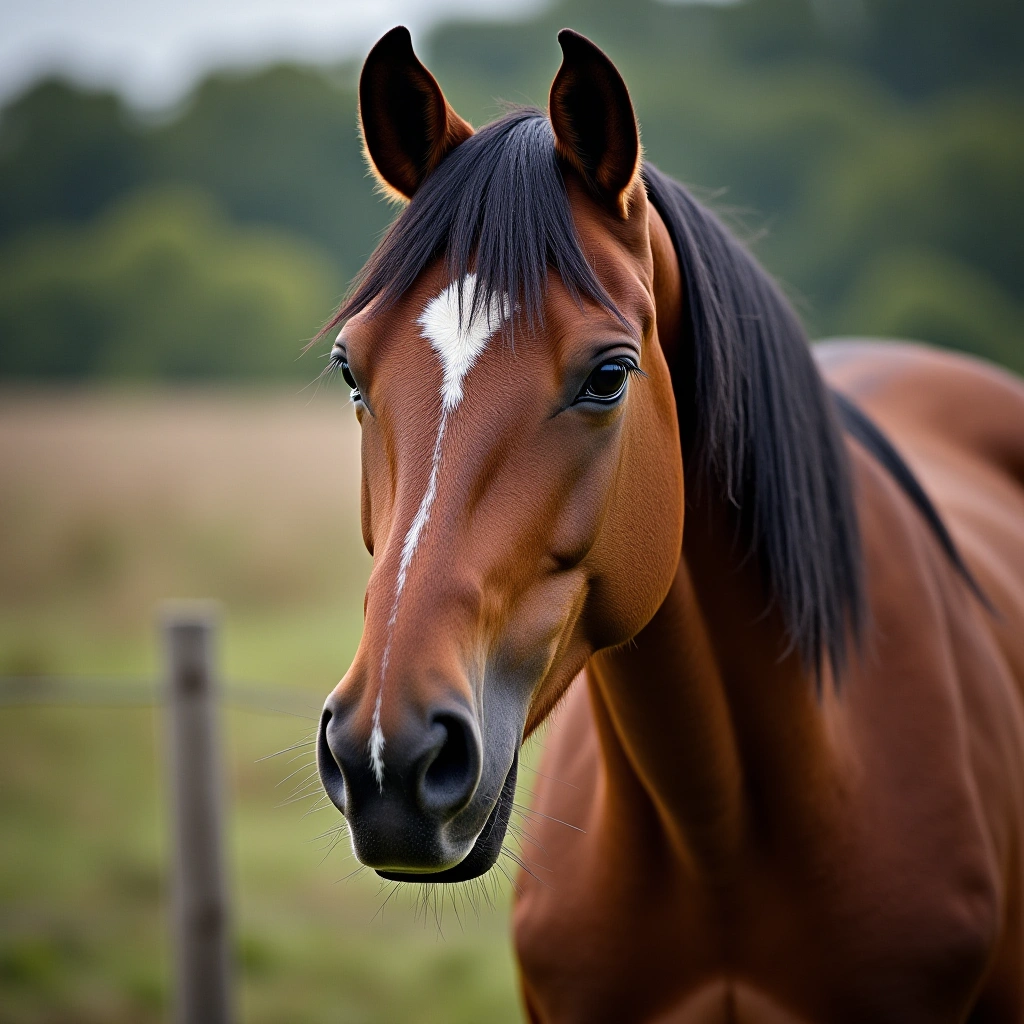
Hey there, fellow horse enthusiasts! Ever found yourself standing next to a majestic horse, pondering its age like you’re trying to guess the age of a fine wine? Well, you’re in luck! Today, we’re going to dive into the fascinating world of horse aging—no need to consult a wizard or anything. Just a good ol’ dose of knowledge and maybe some apples for our equine friends!
Related reading: Age Without
First things first, let’s address the elephant in the room—or should I say, the horse? You can’t exactly ask a horse how old it is, unless you’re into some serious animal communication, which frankly sounds like a lot of work. So, how do we do it? Buckle up; we’re going for a ride!
The Teeth Tell All
Horses are like nature’s billboards. One of the most reliable ways to determine a horse’s age is by checking their teeth! Yes, you heard that right. Those pearly whites are nature’s way of giving us a hint. The process is called dental aging and it’s a bit of a science, but I promise you it’s easier than it sounds.
When horses are born, they have these tiny baby teeth, called milk teeth, which they start losing around 2 to 3 years old. At around 5, they have a full set of adult teeth. So, if you see a horse with a mouthful of shiny chompers, chances are it’s at least 5. But don’t get too cocky just yet; it’s not just about the number of teeth, it’s about how they wear down over time. Think of it as equine dental fashion.
Look for the Galvayne’s Groove
As horses age, they develop a groove on their incisors called Galvayne’s groove. It’s like a little age marker! This groove appears around 10 years and continues to change throughout their lives, like a bad tattoo that you can’t quite cover up. At 20, it’s typically gone, leaving you with a fun little puzzle to solve.
Other Clues: Coat and Build
Now, if you don’t feel like getting up close and personal with a horse’s mouth (and who could blame you?), you can also look at their coat and overall build. Younger horses tend to have a sleeker, more muscular physique, while older horses might be a bit more… how do I say this delicately? Fluffy. Yes, fluffy is the word I’m going with. If a horse has a coat that looks like it’s been through a winter wonderland and back, it might be a little on the older side.
Behavioral Indicators
Next up, let’s talk about behavior. Younger horses tend to be a bit more sprightly—think of them as the over-caffeinated kids at a birthday party. They’re bouncy, curious, and possibly a little rebellious. Older horses, on the other hand, might have that wise, laid-back demeanor, akin to a grandparent who has seen it all and now prefers a good nap over a wild romp in the pasture.
Final Thoughts: Age is Just a Number
So, there you have it! Whether you’re using dental tricks, coat observations, or just good old-fashioned intuition, you now have the tools to guess a horse’s age like a pro. Just remember, regardless of age, every horse deserves love, treats, and the occasional belly rub. Just be careful not to ask them to reveal their age directly—some things are best left unspoken!
Now go out there and impress your friends with your newfound horse-age-detecting skills. And remember, if anyone asks, you learned it from a super cool blog post. Happy horsing around!
Inspired by: “How to tell a horse’s age” (r/interestingasfuck)