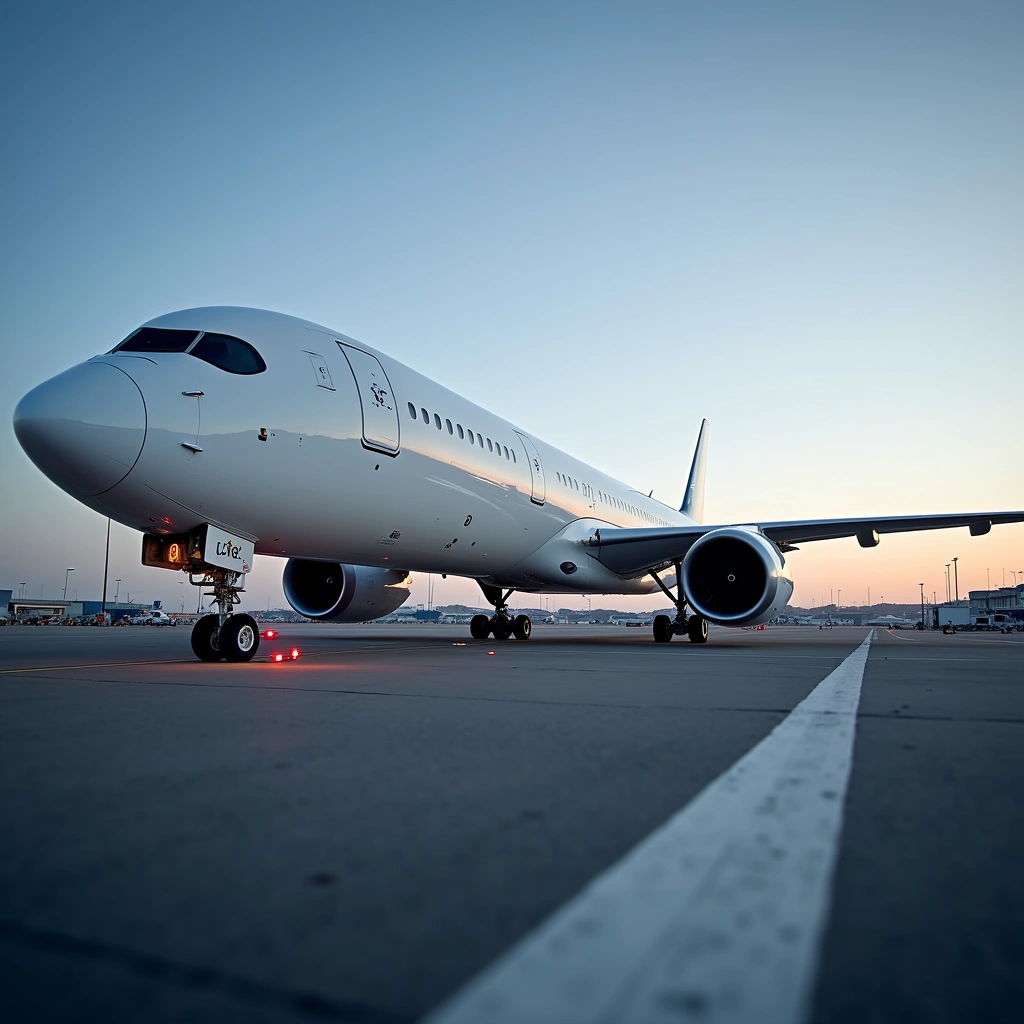
Ah, the A350-1000! The sleek, modern marvel of aviation that makes us feel like we’re jetting off to a sci-fi movie premiere. But before we dive into its impressive design and comfy seating, let’s talk turkey—or rather, let’s talk fuel! Grab your favorite beverage, and let’s break down how much fuel this beauty guzzles on takeoff.
First things first, what’s the A350-1000? It’s like the cool cousin of the A350 family, boasting a longer fuselage and the ability to carry more passengers. Think of it as the big brother who’s also a fitness enthusiast—stronger and more efficient than the rest. But with great power comes great responsibility, and in the aviation world, that means fuel consumption.
Now, you might wonder, how much fuel does an A350-1000 actually consume during takeoff? On average, it burns about 5,000 to 6,000 pounds of fuel during this crucial phase. Yes, you read that right! That’s roughly equivalent to the weight of a small car. So, if you’re ever feeling guilty about ordering that extra cheeseburger, just remember that the A350-1000 burns through its fuel faster than you can finish your fries!
But why does it need so much? Well, takeoff is like the Olympic sprint of flying. It requires a burst of energy to get that massive bird off the ground. The engines—two powerful Rolls-Royce Trent XWB engines—work tirelessly to generate thrust and lift. And let’s be real, these engines are like the rockstars of the aviation world, demanding a hefty amount of fuel to perform their magic.
Now, here’s where things get a bit interesting. The A350-1000 is designed with fuel efficiency in mind. It uses advanced aerodynamics and lightweight materials, which help it maximize performance while minimizing fuel consumption over the course of a flight. So, while the takeoff might seem like a gas-guzzling affair, the overall efficiency across its journey is impressive. Think of it as a marathon runner who needs a quick shot of energy at the start but can pace themselves beautifully for the long haul.
And speaking of efficiency, let’s not forget the environmental angle. As aviation enthusiasts, we sometimes get a bad rap for our carbon footprints. However, the A350-1000 boasts a 25% lower fuel burn compared to previous aircraft of similar size. That’s right, it’s the eco-friendly hero we didn’t know we needed! So the next time you board one of these beauties, you can feel a bit better about your carbon footprint. You might even want to pat the plane on the wing and say, “Thanks for being so green!”
In conclusion, while the A350-1000 does consume a noticeable amount of fuel during takeoff, it’s engineered to be as efficient as possible throughout the rest of the flight. So, the next time you’re sipping your in-flight soda and enjoying the view from 30,000 feet, you can appreciate the balance of power and efficiency that allows you to soar through the sky. Just don’t forget to thank the engineers and the fuel—after all, they’re the real MVPs of your airborne adventure!
[Refer to this image for a visual of the A350-1000 in action!](https://example.com/a350_image) (not an actual link, but you get the point).
So, next time someone brings up how much fuel these planes burn, you can confidently chime in with your newfound knowledge. And remember, the world of aviation is filled with fascinating facts and figures that can make you the life of the party—or at least the most interesting person at the airport lounge!