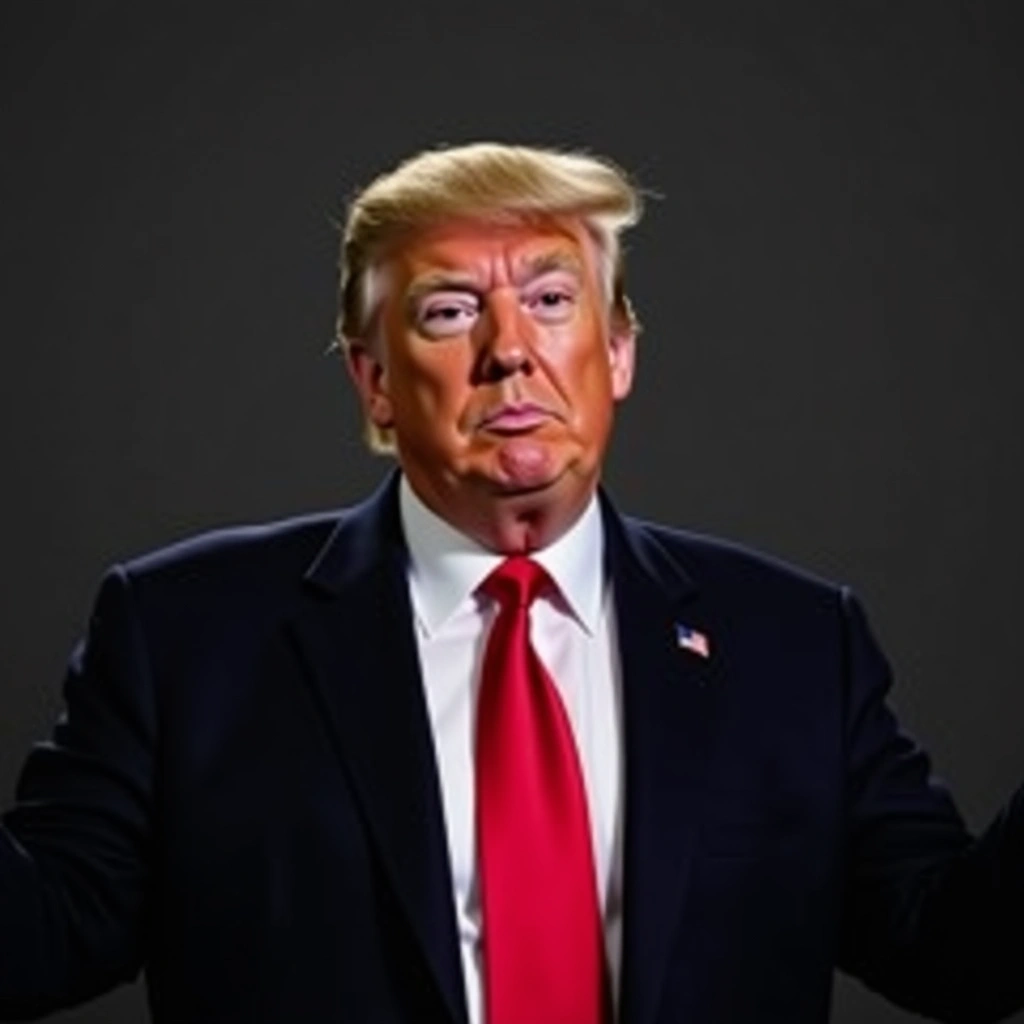
President Trump said he wasn’t involved in the plan to livestream the execution by firing squad of Fort Hood killer Nidal Hasan, while stressing that he understands the decision to make an “example” of him.
In a move that has many scratching their heads—and some raising their eyebrows—former President Donald Trump recently announced that he would ‘make a decision’ on whether to live-stream the execution of the Fort Hood shooter, scheduled for December 3. Yes, you heard that right. It seems the idea is to show the world what happens to those who commit heinous acts, with the hope that it might deter future tragedies. Because nothing says ‘don’t do it’ quite like a front-row seat to a firing squad, right?
Now, let’s take a moment to unpack this. The Pentagon has confirmed the execution date, and amidst the usual political chaos, Trump decided to weigh in. His rationale? “By showing it, maybe other people won’t be doing what he did.” Ah, yes, because history has shown us that public executions lead to a decrease in crime. Remember the last time we had a public hanging? Crime rates plummeted—oh wait, that was just a myth.
But let’s talk about the logistics of live-streaming an execution. Are we talking about a high-definition feed? Will there be a countdown? Perhaps a pre-execution commentary from some sort of expert? You can almost picture it now: “And here we are, folks, live from Fort Hood, where tensions are running high and the stakes even higher!” It’s like a reality show but with a much darker twist.
Of course, the ethical implications of live-streaming an execution are as murky as a swamp in July. Many people are understandably horrified at the thought of turning a solemn moment of justice into a spectacle for entertainment. We live in an age where everything is broadcast and dissected online, but maybe some things should remain behind closed doors. After all, the last thing we need is for someone to create a TikTok trend around executions.
Some critics argue that live-streaming could desensitize viewers to violence. Others question whether it would actually serve as a deterrent or simply become fodder for sensationalist media. And let’s not forget the potential for internet trolls to turn something as serious as capital punishment into a meme. Because if there’s one thing the internet is good at, it’s making light of serious matters.
While Trump has yet to make a definitive decision, the mere suggestion raises a lot of eyebrows and even more questions. Is this a publicity stunt? A genuine attempt to address violence in America? Or perhaps an ill-conceived idea that should have been left on the cutting room floor? Only time will tell.
In the meantime, it’s worth considering the implications of combining justice with modern technology. Should we be live-streaming executions or should we be focusing on prevention and rehabilitation? It’s a tough conversation to have, but one that we need to engage in, preferably without a camera crew in tow.
So, mark your calendars for December 3. Whether you want to tune in or not, it’s bound to be a day filled with debates, discussions, and more than a few awkward moments. And who knows, maybe we’ll even find out what Trump’s final decision is. Until then, let’s just hope that the world finds better ways to address violence than through live broadcasts of executions.
Inspired by: “Trump says he will ‘make a decision’ on Hegseth plan to live-stream execution” (r/Politics)