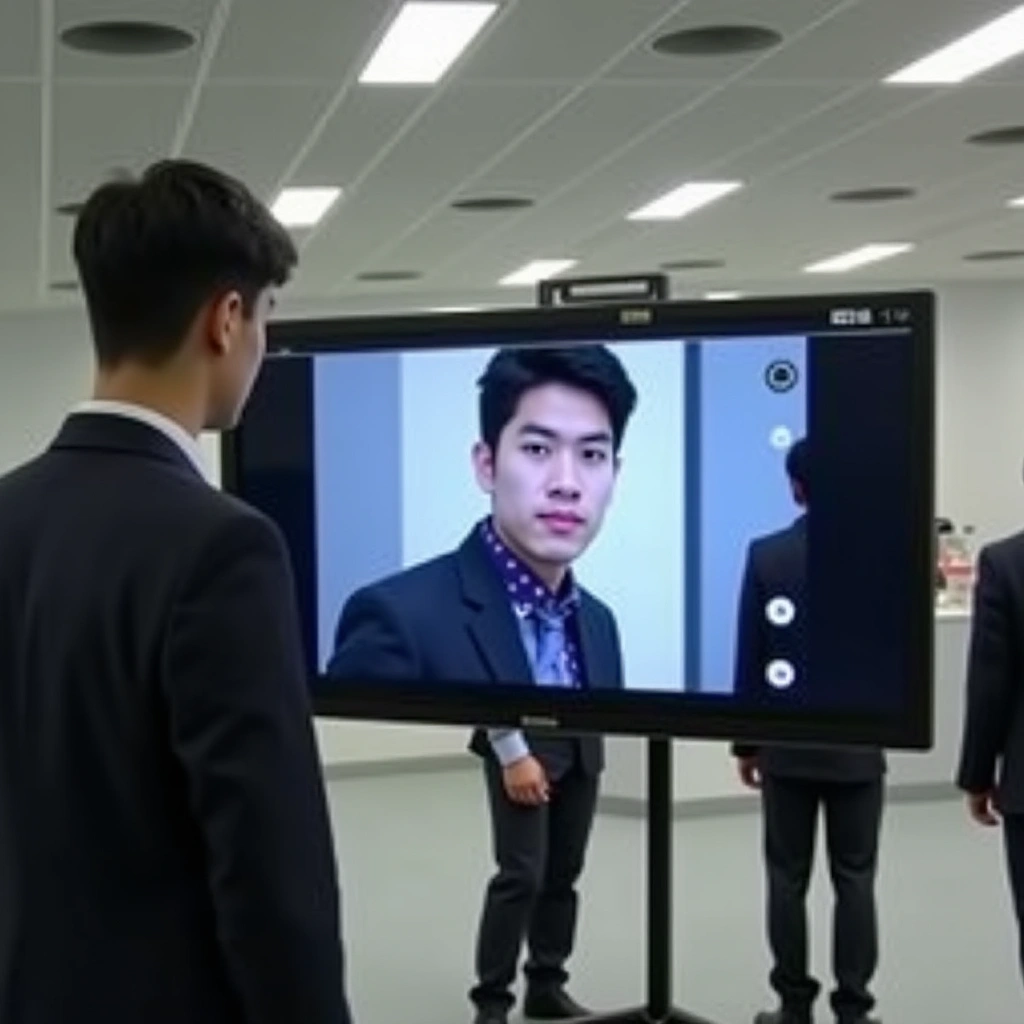
In a world where privacy seems to be as elusive as a good Wi-Fi signal in a crowded cafe, the recent trial of facial recognition cameras in a Tokyo ward has raised eyebrows and, let’s be honest, a few hackles. If you thought your local coffee shop was keeping tabs on your caffeine consumption, wait until you hear about this!
A Tokyo ward has installed outdoor AI cameras with facial recognition capabilities to help locate missing children and elderly people, a move aimed at improving public safety but also raising privacy concerns. Arakawa Ward installed 33 artificial intelligence-equipped security cameras on utility …
Now, before we dive into the nitty-gritty, let’s clarify what’s happening. Tokyo, a city that’s often seen as a tech utopia, is trialing facial recognition cameras to enhance public safety measures. Sounds great, right? Who wouldn’t want to feel safer while navigating the bustling streets filled with sushi and neon lights? But here’s the kicker: the implications for privacy are causing quite a stir.
Imagine walking down the street, minding your own business, perhaps contemplating which ramen shop to visit next, and bam! A camera captures your face, analyzes it, and stores your data faster than you can say “sushi roll.” Sure, the city claims these cameras will help identify criminals and enhance security, but at what cost? Your face is now part of a database, and let’s face it, not everyone wants to be featured in the next episode of “Tokyo’s Most Wanted.”
Privacy advocates are understandably concerned. They argue that while the intention behind this technology might be to keep citizens safe, it opens the door to potential misuse. Who’s monitoring the monitors? If we can’t trust our own government to keep our data safe, then who can we trust? Your neighbor’s cat? Probably, but that’s a different story.
Furthermore, the technology isn’t foolproof. There have been numerous reports of facial recognition systems misidentifying individuals, leading to wrongful accusations and, in some cases, even arrests. So, if you’re out and about in Tokyo, there’s a chance that a camera could mistake you for a criminal mastermind just because you wore a hoodie that day. How’s that for a plot twist?
Despite the privacy concerns, proponents of the technology argue that it can significantly reduce crime rates. They point to successful implementations in other cities around the globe. But let’s not forget that every silver lining has a cloud. The more we rely on these systems, the more we risk normalizing surveillance, leading us down a slippery slope where our every move is tracked.
As the trial unfolds, it’s crucial for citizens to engage in the conversation about privacy rights and the balance between safety and surveillance. After all, no one wants to live in a world where stepping outside feels like entering a reality show where everyone’s a contestant, and the prize is just a little bit of freedom.
In conclusion, while the idea of using technology to enhance public safety is appealing, we must tread carefully. We need to ensure that our right to privacy isn’t left behind in the name of security. So, as you sip your matcha latte in Tokyo, remember: the only thing that should be recognized is your order, not your face.
So, what do you think? Should we embrace this tech, or is it time to put our foot down and say, “No thanks, I prefer my privacy like I prefer my sushi: untouched and untracked”? Let’s keep the conversation going!
Inspired by: “Tokyo ward’s facial recognition camera trial raises privacy concerns” (r/technology)