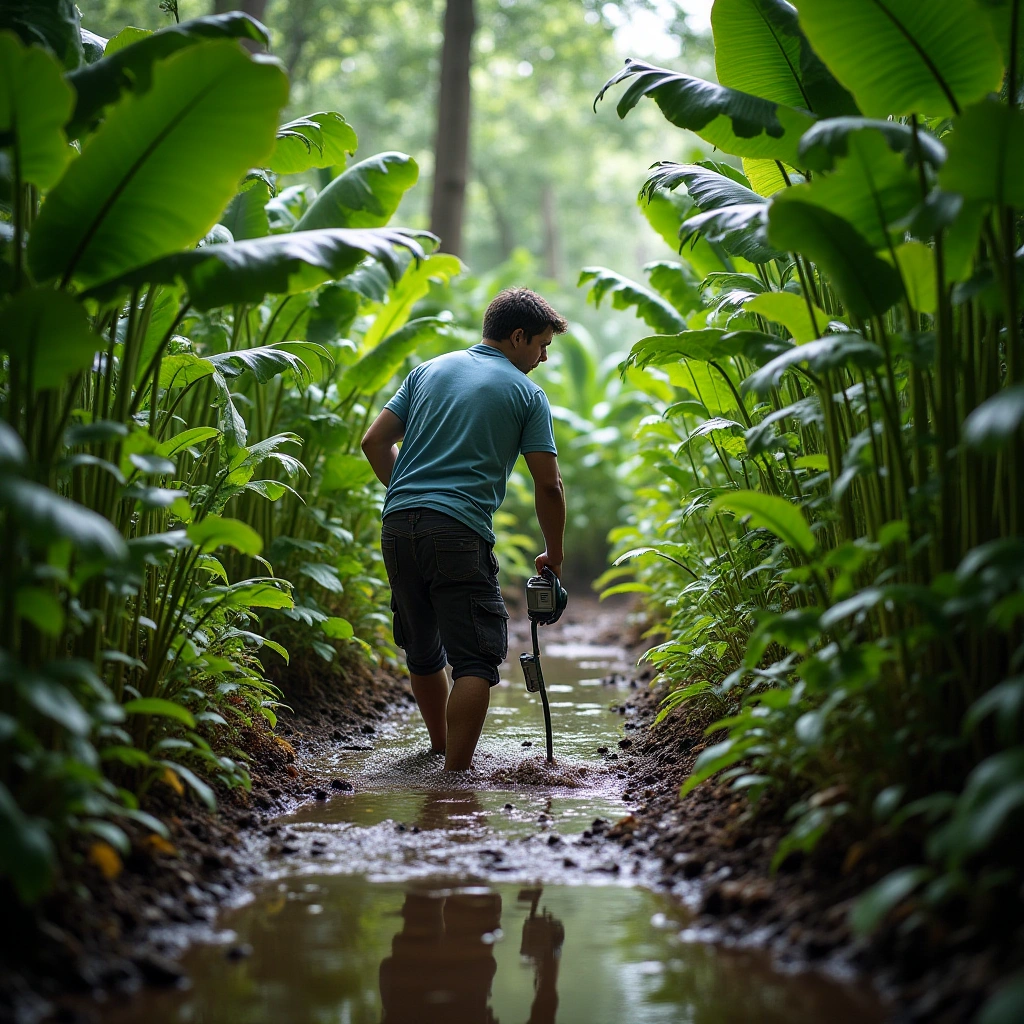
Ah, natural rubber! The stuff that keeps our tires rolling and our bouncy balls bouncing. But have you ever stopped to wonder how this miraculous material is harvested? Spoiler alert: it’s not as simple as plucking a rubber tree like you would an apple. Buckle up, because we’re about to dive into the sticky (and occasionally controversial) world of natural rubber harvesting!
First off, let’s set the scene. Picture a lush tropical forest, where rubber trees—also known as Hevea brasiliensis—stand tall and proud, just waiting for their moment of fame. These trees are like the divas of the plant world, needing the right climate and soil conditions to thrive. They love it hot and humid, which is why they primarily grow in countries like Thailand, Indonesia, and Malaysia. If you think your local climate is tropical, think again—unless you’re living in a sauna, you’re probably not getting any rubber from your backyard.
Now, let’s get into the nitty-gritty of the harvesting process. The journey begins with what’s called ‘tapping.’ No, not the kind you do with your toes on a dance floor. Tapping involves making a careful incision in the bark of the rubber tree to access the latex sap inside. This sap is like the tree’s lifeblood; it oozes out and collects in cups hung from the tree. Talk about a rubbery blood donation!
But here’s where things get sticky—literally. Harvesters have to be skilled in their craft. If they cut too deep, they risk damaging the tree, and if they cut too shallow, they’re left with nothing but a sad, empty cup. It’s a delicate balance, much like trying to juggle flaming torches while riding a unicycle. Plus, tapping must be done at just the right time of day, usually in the early morning or late afternoon, to ensure maximum sap flow. Who knew rubber harvesting could be so… time-consuming?
And let’s not forget about the environmental impact. Rubber plantations can take over vast swathes of land, often at the expense of natural forests. This deforestation can lead to a loss of biodiversity and contribute to climate change. So while you might be enjoying the bounciness of your new rubber shoes, you might also be unwittingly supporting a practice that’s not so eco-friendly. It’s a bit of a moral conundrum, isn’t it?
Then there’s the labor aspect. Many rubber harvesters work under difficult conditions, often for low wages. It’s a tough gig that requires early mornings and a lot of manual labor. It’s not all sunshine and rainbows in the rubber world, my friend. With the global demand for natural rubber on the rise, it raises ethical questions about fair labor practices. Are we supporting a system that exploits workers while we bounce around on our rubbery goods?
So, the next time you marvel at the wonders of natural rubber, take a moment to think about the journey it took to get to you. From the tapping of the trees to the environmental and ethical implications, there’s a lot more to this sticky substance than meets the eye. Who knew that rubber could spark such a deep conversation?
In conclusion, the world of natural rubber harvesting is a tangled web of nature, labor, and environmental concerns. So the next time you buy those trendy rubber shoes, remember the story behind them. And hey, maybe consider supporting brands that prioritize sustainable practices! It’s a small step towards making the world a slightly less sticky place.