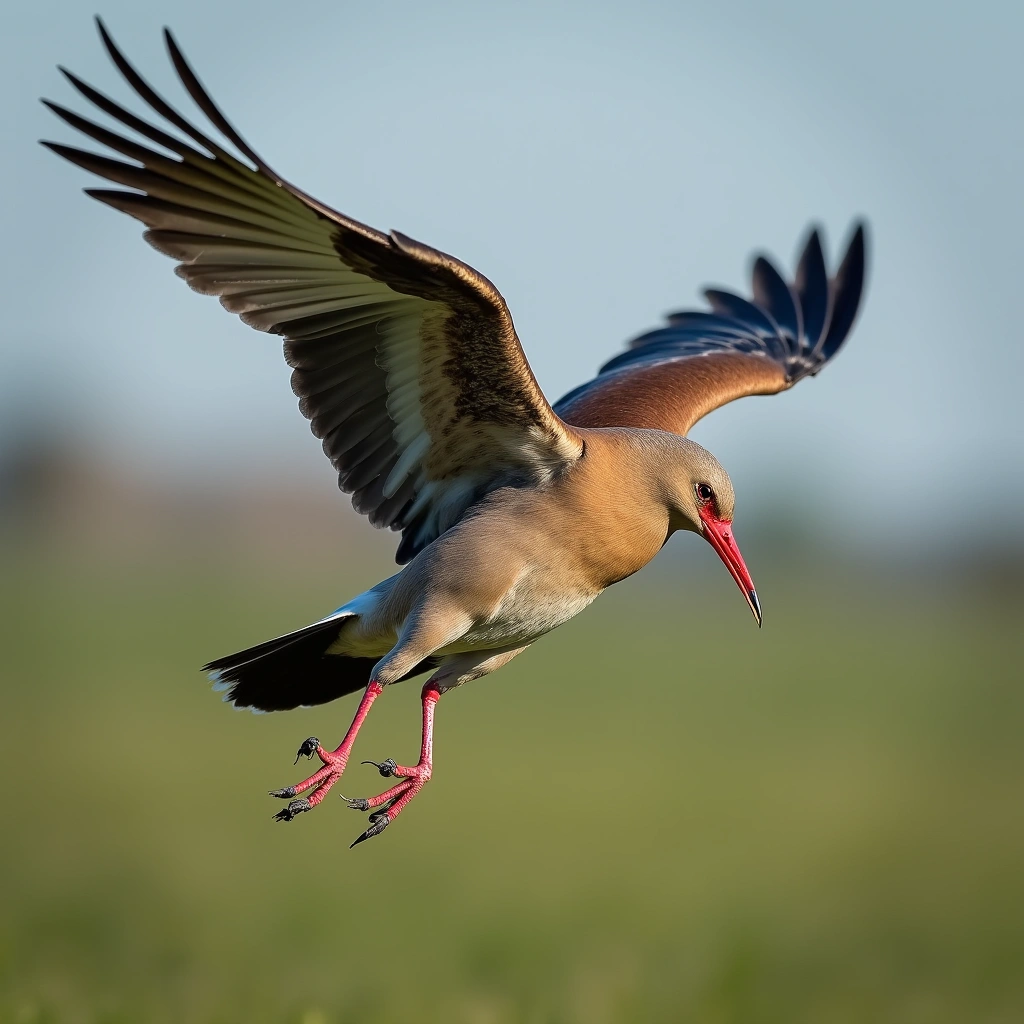
Ah, the bird strike! It sounds like a fancy term for a boxing match between a jet and a pigeon, doesn’t it? But let me tell you, it’s not all fun and games when a feathered friend decides to take on the mighty aircraft. If you think the aftermath is just a bunch of feathers scattered on the runway, think again! Buckle up, because we’re about to soar into the wild world of aviation mishaps and the hilarious (and slightly horrifying) consequences of a bird strike.
First off, let’s clarify what a bird strike actually is. In aviation terms, it’s when a bird collides with an aircraft – usually during takeoff or landing. You might think of it as a game of chicken, but trust me, the birds are often the ones that end up looking like they lost in a heavyweight championship match. And while birds may have wings, planes have engines, and that’s where the real drama begins!
Now, the aftermath of a bird strike can range from a mere inconvenience to a full-blown episode of ‘Survivor: Airport Edition.’ For starters, the most common result is a dented or damaged windshield. Imagine being the pilot who just got a face full of feathers! Picture it: you’re cruising along, feeling like a rockstar, and suddenly—BAM! A bird. Talk about a rude awakening!
But wait, it gets better. If the bird is unlucky enough to find its way into the engine, things can get a tad more serious. We’re talking about a potential engine failure here. You know, just a little thing like, oh, plummeting out of the sky. No biggie! Thankfully, pilots are trained for this kind of drama, but it definitely adds a little spice to an otherwise bland flight.
Now, let’s not forget the maintenance crew. After a bird strike, the aircraft is typically grounded for inspection. This means that while the pilot is sipping coffee and trying to calm their nerves, the mechanics are in a full-blown panic mode, checking for any signs of a bird buffet in the engine. And honestly, who wouldn’t want to be a fly on the wall (or perhaps a bird in the cockpit) during those moments?
Here’s a fun fact: according to the FAA, bird strikes occur roughly 13,000 times a year in the United States alone! That’s a lot of near-misses! It’s like the birds have declared war on aviation, and we’re all just trying to dodge the cannonballs. And let’s not even get started on the types of birds involved. You’d think it would be small sparrows, but no! We’re talking about geese, hawks, and even the occasional turkey. Yes, folks, turkeys are not just for Thanksgiving dinner; they’re out there causing havoc in the skies!
So, what can be done to reduce these feathered fiascos? Airports have taken drastic measures, including using trained falcons to scare away the birds. That’s right! We’ve got a bird brigade out there, fighting the good fight against their feathery friends. Imagine a falcon, decked out in a tiny pilot’s cap, swooping in to save the day. It’s the stuff of legends!
In conclusion, the aftermath of a bird strike is a lot more than just feathers on the runway. It’s a wild ride involving inspections, potential engine failures, and an ongoing battle between man and bird. So next time you’re flying and you hear a loud thunk, just remember: it could be worse—it could be a flock of geese trying to audition for their own aviation reality show. And if you happen to spot a falcon in a pilot’s cap on your next flight, do give it a wave. After all, it’s just doing its part to keep the skies safe and bird-free!