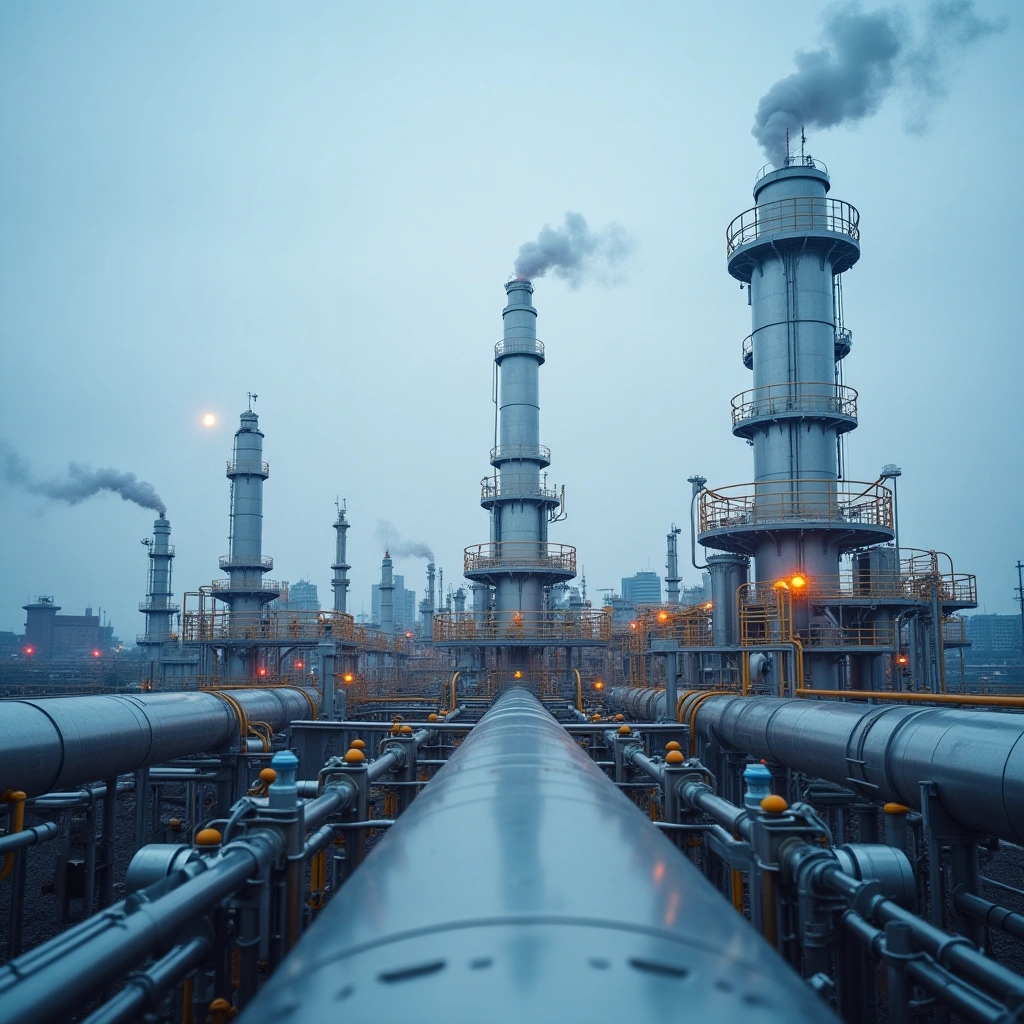
The Trump administration is proposing to resume Russian natural gas sales to Europe via Ukrainian pipelines as a strategic incentive to secure an "energy ceasefire" and broader peace deal with Moscow. This plan, pushed by envoys Jared Kushner and Steve Witkoff, involves using a U.S. intermediary to bypass European sanctions and placing proceeds in a third-party escrow account to prevent funding the war. The proposal marks a sharp reversal from the EU’s goal to eliminate Russian gas by 2027 and faces strong opposition from European leaders concerned about energy security and geopolitical leverage. However, the U.S. argues that restarting the Ukraine route—rather than the damaged Nord Stream pipelines—could lower winter energy costs and provide Kyiv with critical transit fees, potentially persuading Vladimir Putin to negotiate.
In a move that has left many scratching their heads and wondering if they’ve accidentally walked into a political drama instead of a news report, the United States is reportedly looking to revive Russian natural gas sales to Europe through Ukrainian pipelines. Yes, you read that right. It seems like a plot twist straight out of a geopolitical soap opera.
Picture this: U.S. envoys Jared Kushner and Steve Witkoff waltzing into Moscow and Kyiv with a proposal that could lead to an energy ceasefire between Russia and Ukraine. It’s like they’re saying, “Let’s just hit pause on the whole ‘we’re not friends’ thing and focus on the gas, shall we?” I mean, who doesn’t love a good gas deal?
Now, before you start picturing a world where gas flows freely and everyone is happy, let’s get real. This initiative is already facing resistance from European capitals. Apparently, they have a few reservations about the idea of rekindling a gas relationship with Russia, given the ongoing tensions and, you know, that little thing called a war. It’s almost as if they’re saying, “Thanks, but no thanks. We’re trying to avoid giving our enemies a leg up, even if it means we might have to pay a bit more for our heating this winter.”
The proposal, which involves a U.S. intermediary handling the transactions, sounds straightforward enough. But if there’s one thing we’ve learned from international relations, it’s that nothing is ever straightforward. There are always layers of complexity, like a multi-layered cake that’s been left out in the sun—messy and potentially explosive.
So why is the U.S. pushing this plan? Well, it’s part of a broader effort toward peace negotiations. And what better way to negotiate peace than by making sure everyone has access to gas? It’s like the international version of sharing snacks during a schoolyard fight. “Hey, if we all have chips, maybe we can call a truce!”
But let’s not forget the real MVPs in this scenario: the Ukrainian pipelines. These pipelines have been the stage for many dramatic performances in the past, and now they might just be at the center of yet another act in this ongoing saga. They’re the unsung heroes of the energy world, quietly transporting gas while the world watches in suspense.
In conclusion, while the U.S. is trying to broker this gas deal, it’s clear that not everyone is on board. The European capitals are hesitant, and who can blame them? After all, they’re stuck in a complicated relationship with Russia, and gas negotiations can feel a bit like trying to rekindle a romance with your ex who just happens to be your worst enemy.
So, as we watch this situation unfold, let’s keep our fingers crossed that whatever happens leads to more stability and less drama. Because if there’s one thing we don’t need, it’s another season of geopolitical chaos. Stay tuned, folks! It’s going to be a bumpy ride!
Inspired by: “U.S. Pushes to Restore Russian Gas Sales to Europe Via Ukraine” (r/Business)