Rural communities bear the brunt of these impacts since residential wells are shallower than industry’s wells and hence dry up first, and these communities then breathe in and drink up polluted air and water. This all adds up to a water system pushed to the brink. Declining snowpack means less water is available while a thirstier atmosphere means water demand will only increase. So what do we do? This is a problem with no easy fixes. California Governor Newsom’s proposed to expand the state’s reservoirs, but reservoirs can increase downstream flood risk during wet years, which we expect to see more of with climate change, and even dispossess tribes of culturally important lands.
Alright folks, grab your water bottles and hold onto your hats because we’re diving into a topic that’s hotter than a summer day in the Mojave Desert: climate change and its insatiable thirst for the Western U.S. Now, if you thought the only thing drying up around here was your sense of humor, think again!
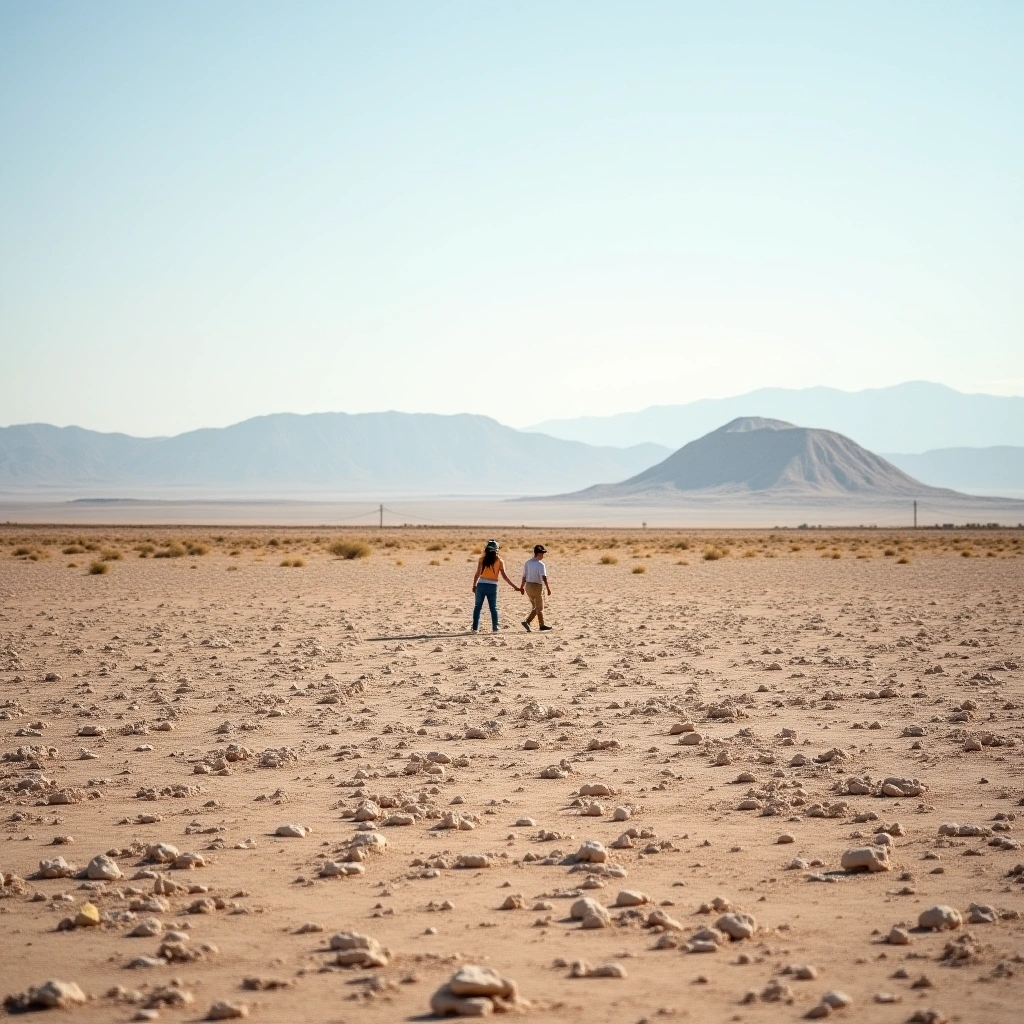
Let’s set the scene: the Western U.S. is a region known for its breathtaking landscapes, from the majestic Rocky Mountains to the stunning Grand Canyon. But here’s the kicker—climate change is turning this vibrant paradise into a desert of despair.
First off, let’s talk about the science behind it. The western states are experiencing rising temperatures, and with those increased degrees comes a whole lot of evaporation. You see, when the sun is cranking up the heat, lakes, rivers, and even your morning cup of coffee are evaporating faster than you can say “global warming.”
But it’s not just about the water disappearing; it’s also about precipitation patterns changing. The rain that used to bless us with its presence is now playing a long game of hide and seek. Reports indicate that some areas are getting less rainfall, while others are experiencing more intense storms. So, in essence, we’re trading in our steady drizzle for a wild rollercoaster ride of weather.
Now, if you’re thinking, “Oh, it can’t be that bad,” let me throw some numbers your way. According to a study published in the journal Nature, the Colorado River, which supplies water to millions of people, is experiencing a significant decline in flow. In fact, researchers estimate that it’s flowing at about 20% less than it did a century ago. That’s like finding out your favorite ice cream shop has cut its servings in half!
And it’s not just the rivers; our beloved reservoirs are also suffering. Lake Mead, one of the largest reservoirs in the U.S., is at its lowest level since the 1930s. Imagine throwing a party and realizing the punch bowl is empty—awkward, right? Well, that’s what’s happening to our water supply.
As if that weren’t enough, the agricultural sector is feeling the heat too. Farmers in the West are struggling to keep their crops alive, and let’s be real—no one wants to be the farmer who brings home a basket of wilted veggies. This has led to increased competition for water resources, and it’s not just the farmers who are affected; everyone’s favorite produce prices are on the rise. So, if you thought avocados were expensive now, just wait!
But fear not, dear readers! It’s not all doom and gloom. There are steps we can take to mitigate these effects. Water conservation, sustainable farming practices, and investing in renewable energy sources are just a few ways to combat this thirsty beast known as climate change. And hey, if we can get our act together, maybe we can turn the tide (pun intended) and restore some of that much-needed water flow.
In conclusion, while climate change is doing its best impression of a thief in the night, stealing our water and leaving us high and dry, it’s up to us to take action. So let’s roll up our sleeves, save some water, and maybe even plant a tree or two. Because if we don’t, the only thing left in the Western U.S. may just be a bunch of tumbleweeds and memories of what used to be a lush landscape. Cheers to that!
Inspired by: “How Climate Change Is Drying up the Western US” (r/climatechange)