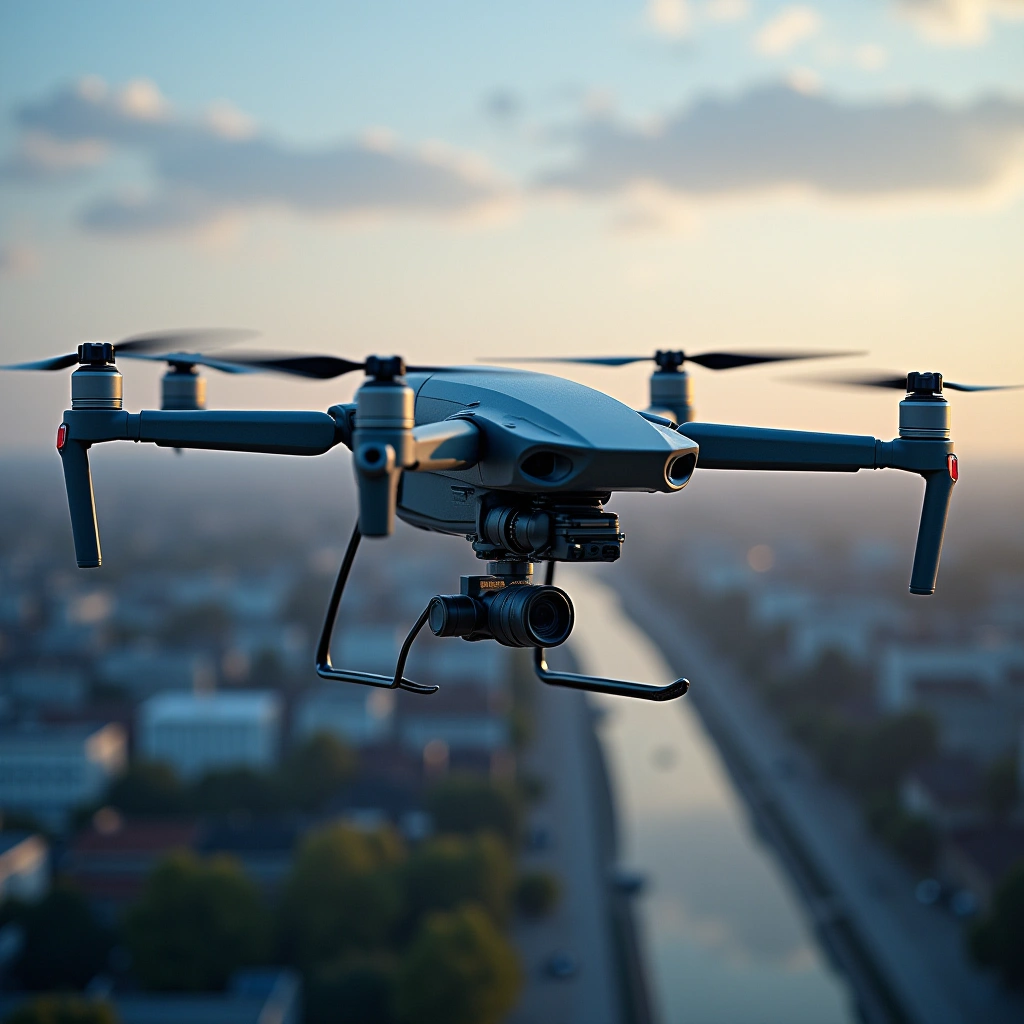
In the ever-evolving landscape of modern warfare, it seems that the only constant is change. And if you’re looking for a prime example of this phenomenon, look no further than the recent uptick in electronic warfare, particularly in Ukraine. With Russia launching strike drones at a rate that would make even the most ambitious fast-food drive-thru blush, Ukrainian defense firms are finding themselves in high demand for electronic warfare solutions.
Electronic warfare has become the decisive "invisible battlefield" in Ukraine, as Russia deployed dense, multi-layered jamming systems to neutralize Ukraine’s drone advantage. This electromagnetic saturation crippled GPS-guided precision munitions and severed the radio links of FPV drones, forcing a rapid technological adaptation cycle. In response, Ukraine has shifted toward fiber-optic tethers and AI-driven autonomous navigation to bypass jamming, while simultaneously scaling up domestic production of cost-effective jammers to protect critical infrastructure and frontline units from relentless Russian strike drone attacks.
So, what’s the deal? It turns out that as drones become the new darlings of military strategy, the need to counteract these buzzing nuisances has skyrocketed. Imagine trying to enjoy a picnic while bees swarm around you—except these bees are flying bombs, and you can’t just swat them away with a magazine.
Electronic warfare, in case you’re not a defense expert (or a fan of action movies), refers to the use of electromagnetic spectrum to disrupt or deceive enemy operations. Think of it as hacking, but instead of your Wi-Fi, it’s about making enemy drones go haywire or simply not work at all. Considering the frequency at which Russia is deploying these drones—every minute, like clockwork—Ukrainian defense firms are scrambling faster than a cat on a hot tin roof to keep up with demand.
Now, one might wonder why, in an age of advanced technology, we’re still so reliant on these old-school tactics. Well, let’s just say that while drones are nifty little gadgets, they’re not invincible. And as the saying goes, every action has an equal and opposite reaction. So, while Russia may be launching drones like they’re at a carnival game, Ukraine is upping its game in electronic warfare to ensure those drones don’t hit the mark.
In a world where digital warfare is becoming increasingly prevalent, the focus on electronic warfare is not just a passing trend—it’s a necessary evolution. With the stakes higher than ever, Ukrainian defense firms are innovating at breakneck speed to provide solutions that can effectively neutralize these flying threats.
And let’s not forget the financial aspect. With demand surging, these firms are likely seeing their profits soar as well. Who knew that a global conflict could lead to a booming business in electronic countermeasures? If only we could turn back time and invest in stocks for the companies making these technologies—talk about a lucrative opportunity!
In summary, as the conflict in Ukraine continues to unfold, the surge in electronic warfare demand highlights a crucial shift in how modern battles are fought. With drones becoming the new frontline soldiers, the need for countermeasures has never been more apparent. So, while one side launches drones by the minute, the other is busy figuring out how to turn those drones into expensive paperweights.
And as we watch this unfolding drama, let’s just hope that the only thing flying off the shelves is the technology to combat these drones—not more of those pesky little flying bombs. After all, nobody wants a surprise guest crashing their picnic!
Inspired by: “A Ukrainian defense firm says electronic warfare demand is surging as Russia launches strike drones…” (r/technology)