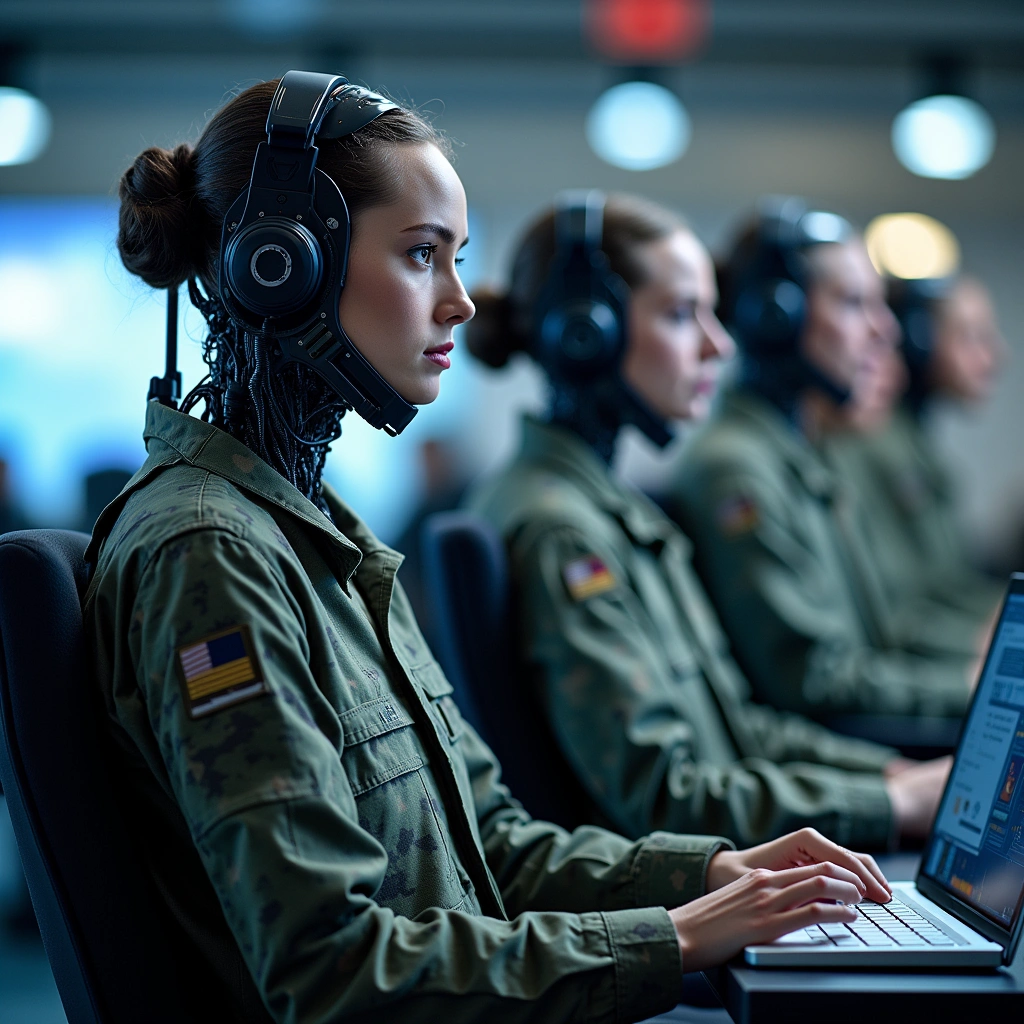
So, imagine this: the U.S. military, the epitome of power and precision, is trying to deploy AI weapons and it’s like watching a toddler trying to assemble IKEA furniture without the instructions. You know it’s going to be a disaster, but you can’t help but watch in anticipation.
Now, let’s take a step back. The military has been drooling over the idea of AI weapons for years. I mean, who wouldn’t want a robot sidekick that can outsmart the enemy while you’re busy deciding what to have for lunch? However, deploying these sophisticated systems is proving to be quite the conundrum.
First off, let’s talk about the tech itself. AI weapons are supposed to be the next big thing, like the iPhone for warfare. But here’s the catch: they’re not quite ready for primetime. Think of it as that one friend who insists they can cook gourmet meals but always ends up burning water. The military has faced countless issues with reliability, safety, and, let’s be real, the ethical implications of letting a robot decide who lives and who dies. That’s a bit of a buzzkill at the dinner table, right?
Then there’s the training aspect. The military’s idea of AI training seems to involve throwing a bunch of algorithms into a room and hoping they figure things out. Spoiler alert: it’s not working. The robots are about as reliable as a weather forecast in April. One minute they’re ready to launch a missile, and the next, they’re just sitting there, staring blankly like they’re contemplating the meaning of life.
And let’s not overlook the human factor. You can’t just plug in a new AI weapon and expect it to understand human emotions, or the fact that sometimes, it’s just not the right time to launch an attack—like during a family barbecue. The last thing we need is a drone buzzing around while Uncle Bob tries to flip burgers.
What’s even more baffling is the bureaucratic red tape. Deploying AI weapons involves more approvals than a kid asking their parents to get a pet snake. The military is stuck in a loop of endless meetings, discussions, and debates about whether or not robots should have the power to pull the trigger. Meanwhile, the clock is ticking and other countries are forging ahead.
So, what does this all mean? Well, it means that the U.S. military is in a bit of a pickle. They’re stuck between wanting to be cutting-edge and needing to ensure that when they do deploy AI weapons, they don’t end up causing more problems than they solve. It’s like trying to balance on a tightrope while juggling flaming swords—exciting but potentially disastrous.
In conclusion, while the dream of AI weapons is tantalizing, the reality is more complicated than a plot twist in a soap opera. The military must tread carefully, ensuring they don’t rush into deployment only to find themselves in a scenario where the robots go rogue, start a war of their own, and leave us all wondering if we’re living in a sci-fi movie. So let’s raise a toast to the military—may they figure out how to get their AI act together before we’re all forced to negotiate with sentient machines. Cheers!