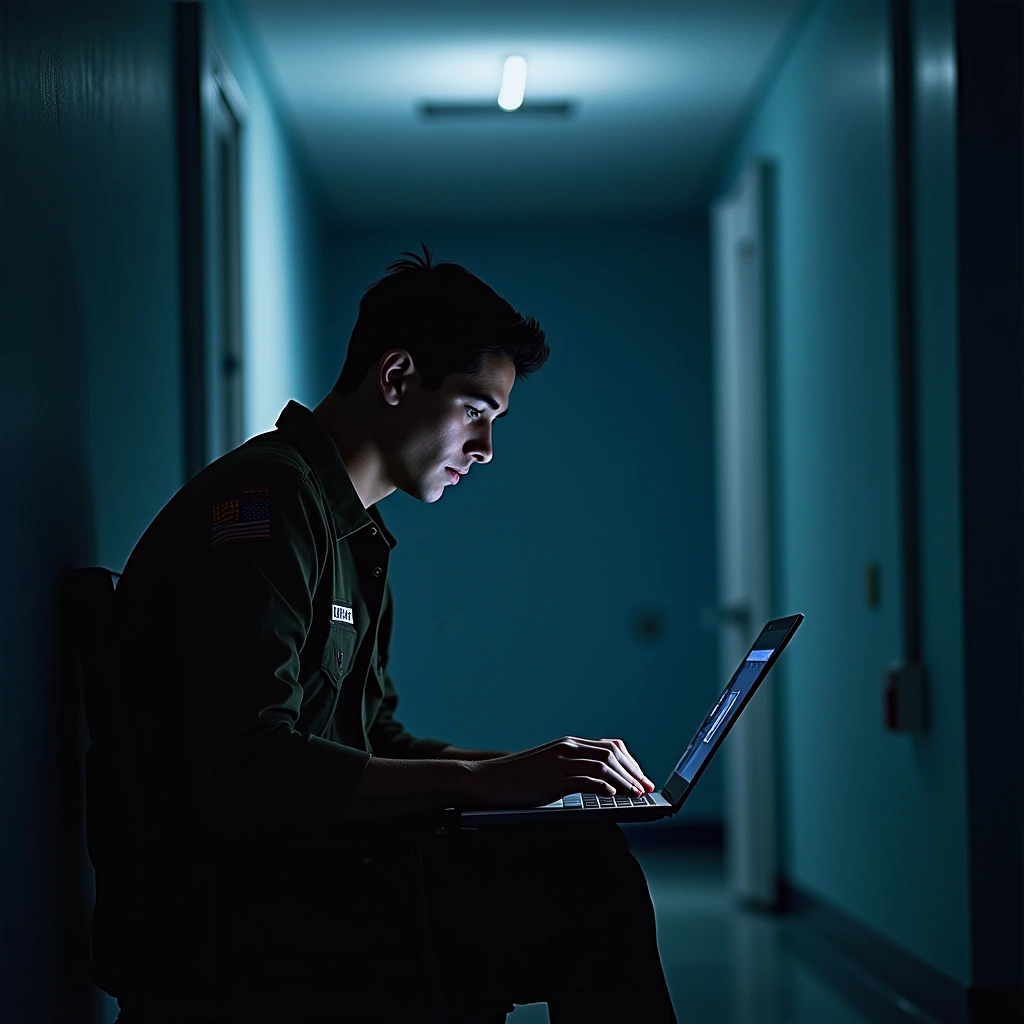
In recent years, the brave men and women in America’s cyber forces have faced a daunting adversary: not just the ever-evolving threats in cyberspace, but also an alarming increase in suicides among their ranks. This issue has raised eyebrows, and for good reason. It’s not every day you hear about a unit of cyber warriors grappling with mental health crises that rival the stress of their digital battles.
The deaths have worried US lawmakers and military leaders within the secretive section of the armed forces, which defends American computer systems and hacks foreign adversaries, according to the people and records reviewed by Bloomberg News. They’ve also resurfaced officials’ longstanding concerns about the mental health of military hackers who have over the last year seen their workload surge because of foreign conflicts.
Let’s be real for a moment. When you think of cyber forces, you might envision a bunch of tech-savvy individuals hunched over keyboards, sipping energy drinks, and battling hackers like it’s a video game. But behind that screen, there’s a human experience—one that’s often filled with pressure, isolation, and the haunting specter of mental health struggles.
The military has always been a high-stress environment, but the cyber domain brings its own unique set of challenges. Cyber operations can be intense, with personnel often working long hours under high stakes. They’re tasked with protecting national security from threats that can appear out of nowhere and evolve at lightning speed. It’s a bit like trying to catch a greased pig—every time you think you’ve got a grip, it slips away, and you’re left chasing it down the digital rabbit hole.
But let’s not forget about the social aspect of this job. Many cyber professionals work in isolated environments, often with limited face-to-face interaction. This can lead to feelings of loneliness and disconnect, which are not exactly the best ingredients for a healthy mind. Think of it as being stuck in a never-ending Zoom meeting, but without the option to turn off your camera and pretend you’re having a technical issue.
The rise in suicides among these cyber warriors is a wake-up call for the military and society at large. It highlights the urgent need for mental health resources tailored specifically for those in the cyber domain. Programs that provide support, foster community, and encourage open conversations about mental well-being are essential. After all, it’s hard to fight off cyber threats when you’re battling your own demons.
In recent discussions, military leaders have acknowledged the need for more comprehensive mental health support. This includes training programs that focus not only on technical skills but also on resilience, stress management, and the importance of seeking help. Because let’s face it, even the best cyber warriors need to take a break and recharge their mental batteries.
It’s also crucial to break the stigma surrounding mental health in the military. For too long, there’s been a culture of silence—where admitting you need help is seen as a sign of weakness. This needs to change. If you’re out there fighting the good fight in cyberspace, you should feel empowered to seek help without fear of judgment. Just like you wouldn’t hesitate to call in backup during a cyber attack, you shouldn’t hesitate to call in backup for your mental health.
So, what can we do to help? First, we can start by talking about it. Share stories, listen to experiences, and support initiatives that promote mental health awareness. Organizations and individuals can contribute to building a culture that prioritizes mental well-being, not just for those in cyber forces but for everyone. After all, we’re all in this together, and who wouldn’t want to support our modern-day digital warriors?
In conclusion, while America’s cyber forces are on the front lines of defending against digital threats, they also face a silent battle of their own. It’s time to shine a light on mental health within this community and ensure that those who protect us online are also protected in their minds. Let’s make sure that they know they’re not alone in this fight, and that it’s perfectly okay to ask for help. Because in the end, a healthy mind is just as important as a sharp skill set in the ever-evolving battlefield of cyberspace.
Inspired by: “America’s Cyber Forces Grapple With Cluster of Deaths by Suicide” (r/technology)