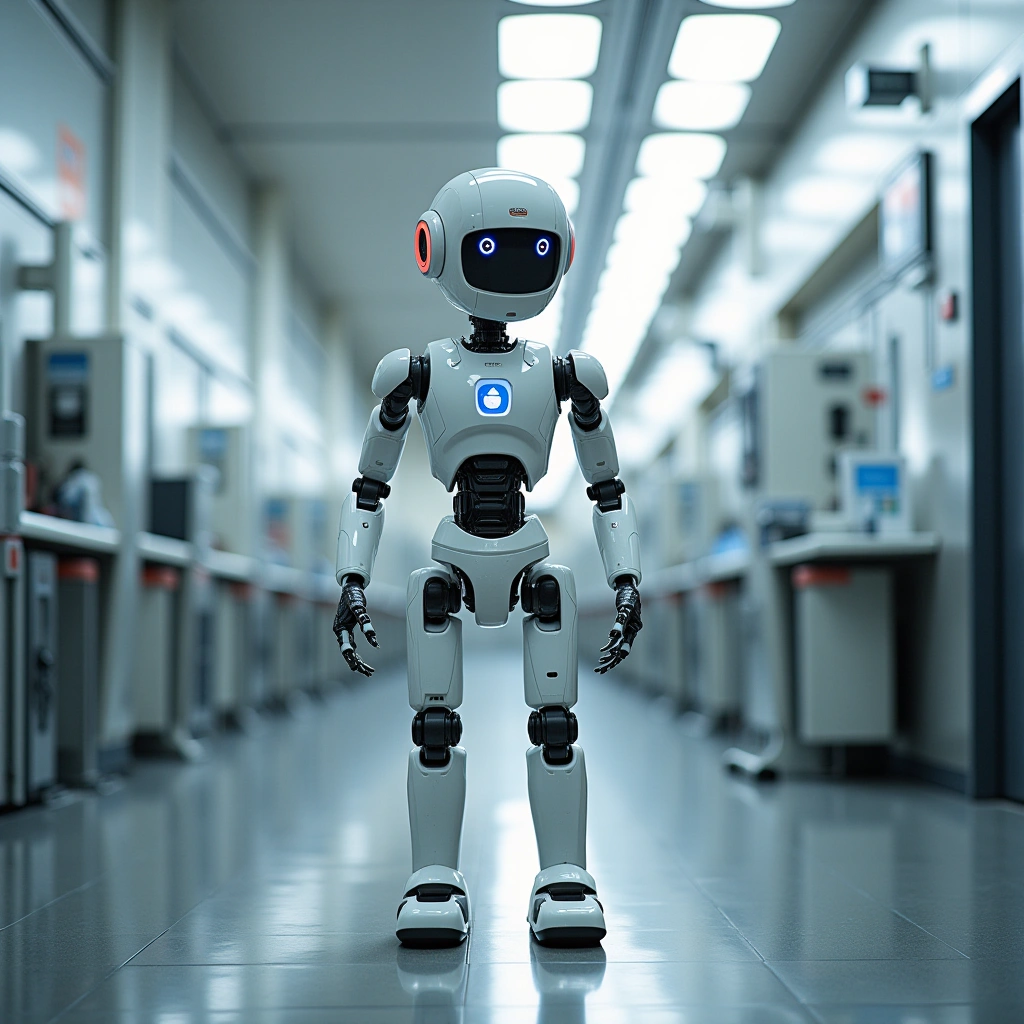
Japan has always been a pioneer in technology, and now it seems they’re gearing up for a future that looks like it was ripped straight from a sci-fi movie. The nation has set its sights on adding a whopping 10 million robots by 2040, with some of those metal marvels stepping into the realm of medical care. Now, before you start picturing a world taken over by robotic overlords, let’s break this down.
Japan’s severe labor shortage and aging population are the primary drivers for its rapid adoption of robotics, with the domestic workforce projected to drop by 24 million people by 2050. This demographic crisis has established Japan as a global leader in robot density, with 631 robots for every 10,000 humans in manufacturing as of 2021. Consequently, the nation is transitioning from industrial automation to AI-enabled care and service robots designed to support an increasingly elderly society.
First off, why does Japan need so many robots? Well, the answer is as straightforward as a vending machine in Tokyo. Japan is facing a significant demographic challenge with a rapidly aging population and a declining birth rate. That means fewer young people to care for the elderly, and more elderly people who need care. Enter robots: the shiny, metallic solution to the country’s caregiving crisis.
Imagine this: instead of a nurse juggling 10 tasks at once, you could have a robot calmly rolling down the hallway, equipped with a tray of medication and a gentle reminder to take your pills. “Hey, Mr. Tanaka, it’s time for your meds!” It’s like having a personal assistant who never forgets your appointments and doesn’t need coffee breaks.
But let’s not get too carried away with our robot fantasies. These machines are not just for medical tasks. They’re also expected to take on various roles in industries like manufacturing, logistics, and even hospitality. Yes, you might soon be greeted by a robot at your favorite ramen shop, which is both exciting and slightly terrifying. “Would you like extra noodles with that, or shall I calculate your ideal carb intake?”
The Japanese government is pouring resources into developing these robots, and for good reason. The hope is that by integrating them into daily life, they can help alleviate some of the pressures on human workers and provide a better quality of life for the elderly. And who wouldn’t want a robot buddy? It’s like having a pet that doesn’t shed, doesn’t bark, and definitely won’t chew your shoes.
However, there are concerns lurking in the shadows of this shiny robot future. The idea of robots taking over jobs, especially in caregiving, raises questions about human connection. Can a robot really provide the warmth and empathy that a human caregiver offers? I mean, sure, they can remind you to take your meds, but can they hold your hand and tell you everything is going to be okay? It’s a valid concern, and one that Japan will need to tackle as they ramp up production.
Moreover, the logistics of maintaining and programming millions of robots is no small feat. Who knew that building a robot army could be so complicated? There are also ethical considerations around privacy and data security, especially in medical settings. After all, the last thing you want is for your robot nurse to accidentally leak your embarrassing health secrets to the entire internet. “Did you hear about Mr. Tanaka’s cholesterol levels?” Yikes!
In summary, Japan’s ambitious plan to introduce 10 million robots by 2040 is a bold move into a future that blends technology with care. While it raises some eyebrows and a few questions, the potential benefits are hard to ignore. If done right, these robots could help ease the burden on human caregivers and provide companionship to those who need it most. Just remember, when your robot nurse starts asking you about your feelings, it might be time to consider a therapist—preferably, one made of flesh and blood.
Inspired by: “Japan wants 10 million more robots by 2040, some providing medical care” (r/technology)