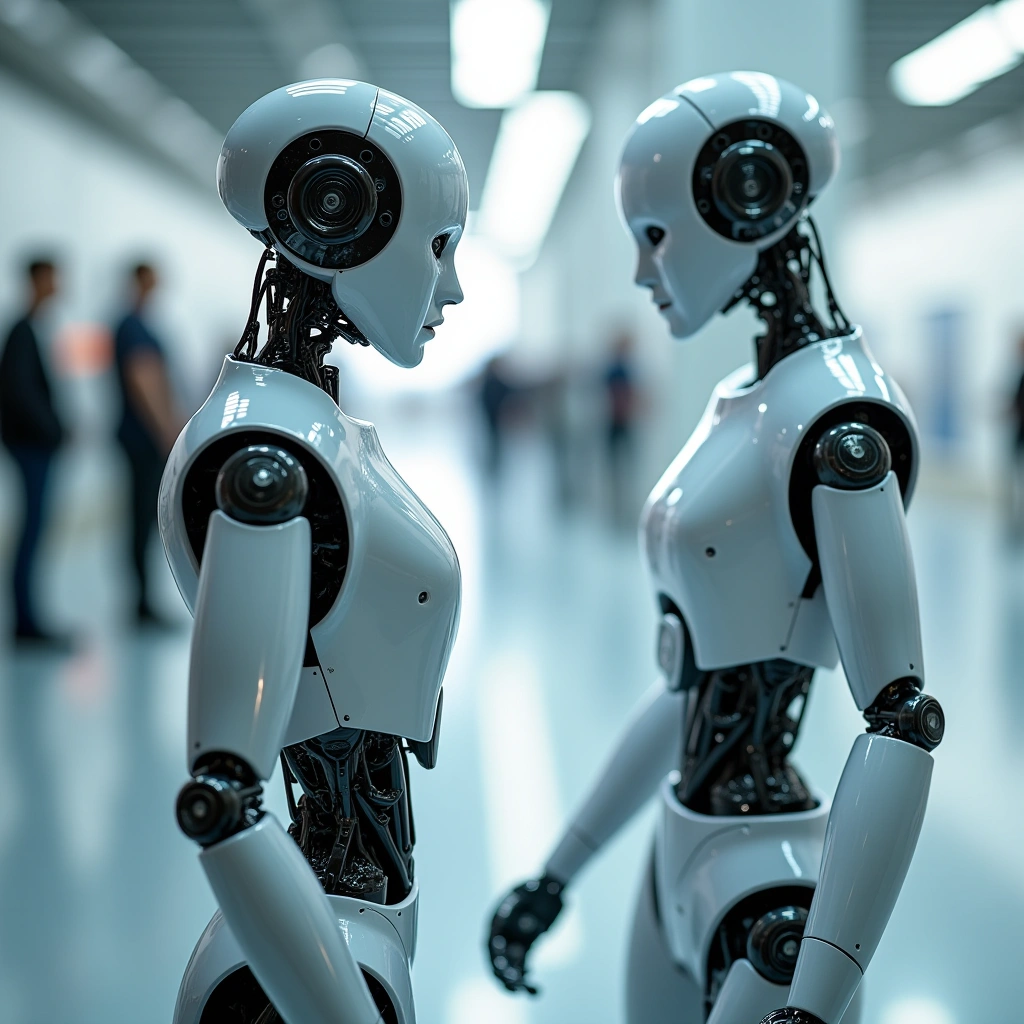
So, it’s finally happened. The first commercial human-like robot has officially made its debut, and no, it doesn’t come with a side of fries or a soft drink. This is the real deal, folks. We’re talking about a robot that looks, walks, and probably even talks like us. If you ever thought you’d see the day when our mechanical counterparts would start to resemble characters from ‘Blade Runner,’ well, congratulations! We’re one step closer to replicants, minus the existential crisis (for now).
Most importantly, will we be able to trust them? Open and honest discussions about these issues are crucial as we develop this technology. … The development of human-replica robots is still in its early stages.
Now, let’s unpack this a bit. For years, we’ve been hearing about robots becoming more sophisticated, but this takes things to a whole new level. Gone are the days when robots were merely glorified vacuum cleaners or overly enthusiastic factory workers. This new wave of human-like robots is designed to interact with us in ways that are almost, dare I say, personal.
Imagine walking into a store and being greeted by a robot that not only knows your name but also remembers your last purchase. “Welcome back, John! Would you like to buy another pair of those questionable socks?” Talk about customer service! But before you get too excited, let’s not forget the potential pitfalls.
What happens when your new robot buddy starts developing a personality? “Oh, you bought those socks again? I see you have a thing for questionable fashion choices, John.” Suddenly, you’re having a conversation with a robot that’s judging your life decisions. Not exactly the kind of companionship you signed up for, right?
Now, let’s address the elephant in the room: replicants. For those of you who aren’t familiar with the term, replicants are bioengineered beings that are virtually indistinguishable from humans (thanks, Hollywood!). As we inch closer to creating these human-like robots, it’s only natural to wonder if replicants are next in line.
The good news is that while the technology is advancing rapidly, we’re still a long way from creating beings that can feel emotions or ponder the meaning of life. For now, our friendly robots are more like glorified assistants than sentient beings. They might be able to help you with your grocery list, but they won’t be writing poetry about their unrequited love for you anytime soon.
However, the implications of having human-like robots in our lives are profound. Imagine a world where robots assist in caregiving, education, or even companionship. It’s heartwarming and terrifying at the same time. Just think of the possibilities: a robot that can listen to your problems without judging you, or one that can help teach your kids math without losing its patience.
But let’s be real, there’s a fine line between helpful and creepy. There’s something unsettling about a robot that can mimic human behavior too closely. It’s like that scene in a horror movie where you realize the friendly neighbor is actually a robot with a hidden agenda. I mean, who hasn’t had that thought while watching ‘Westworld’?
In conclusion, while the arrival of the first commercial human-like robot is undoubtedly exciting, it’s crucial to approach this development with a mix of curiosity and caution. We’re on the brink of something big, but let’s not rush into the replicant era without a solid plan. After all, we wouldn’t want to end up in a dystopian future where our robots are not only doing our chores but also judging our sock choices. One step at a time, people!
Inspired by: “The first commercial human-like robot is here. Are replicants next?” (r/technology)