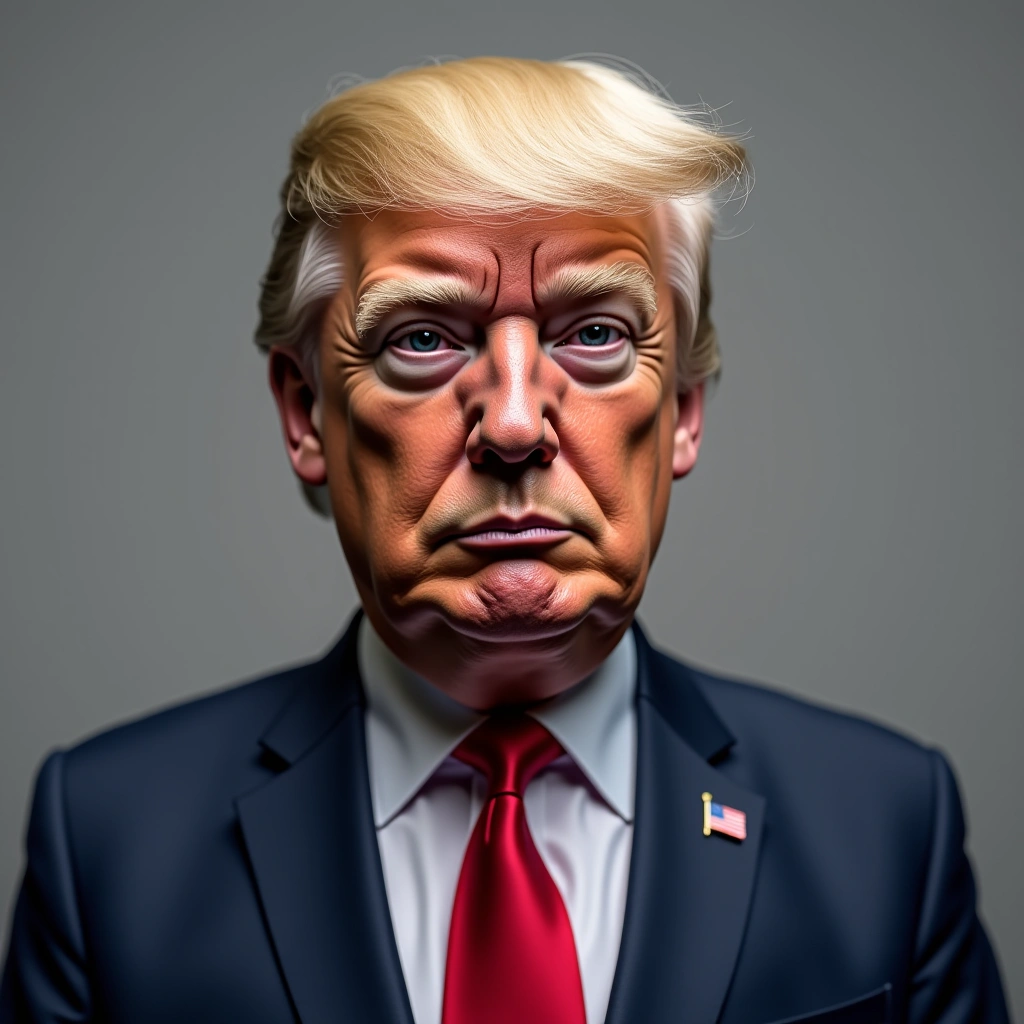
Hey there, fellow internet traveler! Buckle up because we’re diving into the wild world of social media where hundreds of fake pro-Trump avatars are popping up like mushrooms after a rain. Yes, you heard it right – these aren’t just any avatars; they’re artificial-intelligence-generated influencers, and they’re here to woo conservative voters on platforms like TikTok, Instagram, Facebook, and YouTube. Who knew the bots would be the ones to run our political campaigns?
Now, let’s set the stage. It’s 2023, and if you thought social media was just a place for cat videos and brunch pics, think again! We’re living in a digital dystopia where AI can whip up avatars faster than you can say “fake news.” It’s like the Avengers of misinformation, but instead of saving the world, they’re trying to win hearts and minds in the political arena. And let’s be honest, if you’ve seen some of these avatars, you might be wondering if they were designed by a toddler with a crayon!
So, why the sudden surge in these digital doppelgängers? It seems that with the upcoming elections (you know, the ones that get the blood boiling and the popcorn popping), there’s a mad scramble to capture voters’ attention. Who needs real people when you can create a faceless army of influencers who are programmed to say all the right things? It’s like a political version of a mass-produced smoothie: blend a few favorable opinions, toss in some catchy memes, and voila! You’ve got an influencer ready to sway the masses.
But hold your horses! This trend raises some eyebrows, doesn’t it? Are we really okay with letting AI dictate our political opinions? I mean, come on, who’s vetting these avatars? Did anyone ask them where they stand on climate change or whether pineapple belongs on pizza? (Spoiler: it does). It’s like asking a toaster for relationship advice – sure, it can pop up something warm, but is it really equipped for the heavy stuff?
Plus, let’s not forget the ethical implications. Using AI-generated avatars to influence voters is like throwing a party and only inviting the guests you think will agree with your opinion. It’s a slippery slope, my friends! Next thing you know, we’ll have AI running for office, and I don’t know about you, but I’m not ready for a President Bot 3000. What’s next? A debate with a chatbot? I can see it now: “Mr. Bot, how do you feel about healthcare?” “Error 404: Compassion Not Found.”
In conclusion, while AI avatars may seem like a shiny new toy in the political toolbox, they come with a whole bag of tricks that could mislead and misinform voters. So, the next time you stumble across an influencer who looks too perfect, remember: they might just be a product of some clever coding rather than a genuine human connection. Let’s keep our eyes wide open, folks. After all, it’s our democracy at stake, and we don’t want to elect a toaster as our next leader!