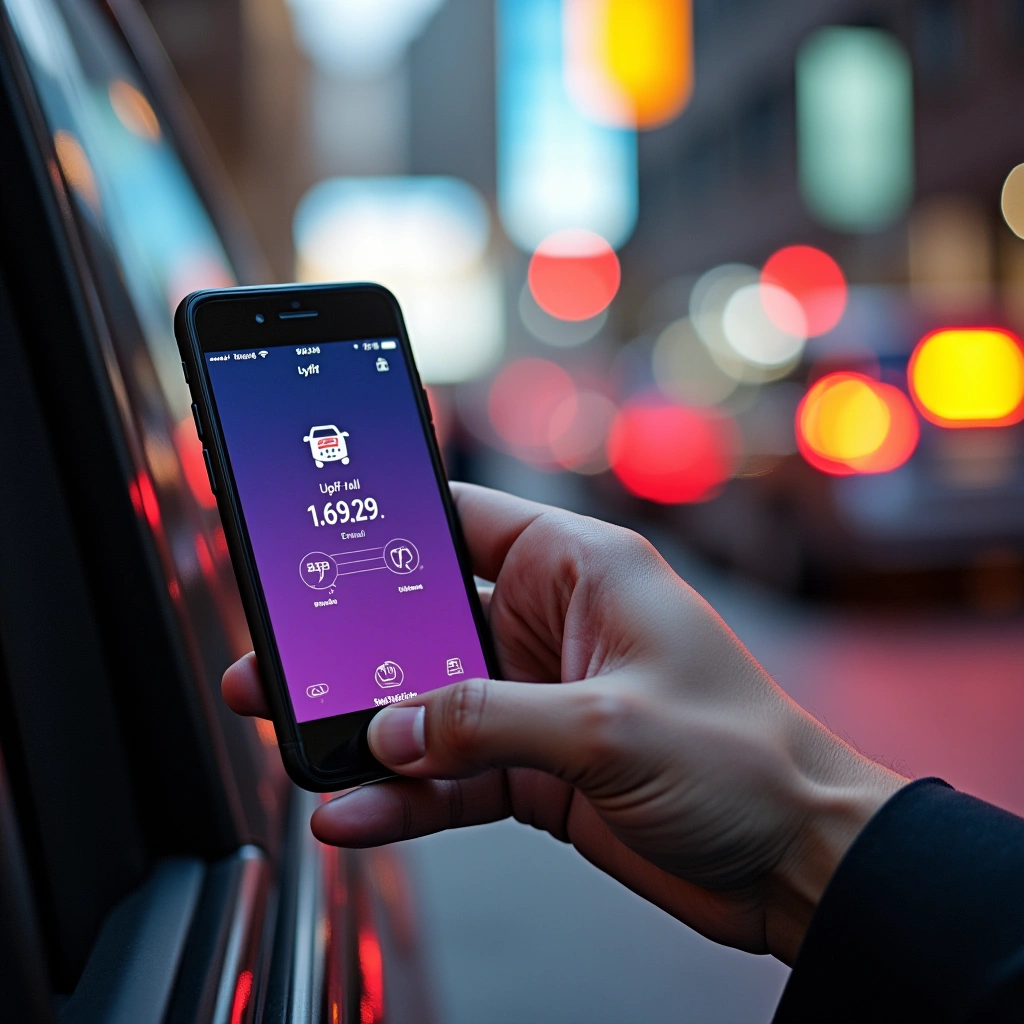
Have you ever hopped into an Uber or Lyft, only to find out that your friend standing right next to you got a significantly lower fare for the same ride? No, it’s not magic; it’s just the wonders of artificial intelligence at work—or, as I like to call it, the AI that loves to play favorites. A recent investigation by Consumer Reports delves into this curious phenomenon, revealing how these ride-hailing giants use AI to set prices that can vary wildly based on a number of factors.
Consumer Reports found Uber and Lyft use algorithmic pricing to give different consumers very different prices for the same rides.
Let’s break it down. Imagine you and your buddy are both ready to go home after a long night of pretending to enjoy each other’s company. You pull out your phones, tap that oh-so-familiar app, and boom! You both request a ride. But wait—your fare is $20 while your friend’s is a mere $12. Is it because they have a better smile? Maybe they’ve been more polite to the driver in the past? Nope, it’s just the AI algorithm doing its thing.
So, what’s going on behind the curtain? Uber and Lyft’s pricing algorithms take into account a multitude of variables. These can include everything from your location, the time of day, and even demand in the area to how many rides are available. The algorithms are designed to maximize profits while keeping drivers happy—because heaven forbid we forget about our friendly neighborhood drivers who are just trying to make a living.
However, the part that really gets the gears grinding is the level of personalization involved. The algorithms may also consider your ride history, how often you use the service, and maybe even that one time you forgot to tip. Yes, folks, your past behavior could be influencing your current fare. So if you’ve been a less-than-stellar passenger, buckle up—your ride home might just cost you.
In this brave new world of dynamic pricing, it’s like playing a game of roulette every time you hail a ride. You could either win big or lose your lunch money. And if you think about it, it’s kind of like a twisted game show where the prices are never quite what they seem.
Now, some may argue that this system is fair because it adjusts to demand. After all, if it’s a busy Friday night and everyone and their grandma is trying to get a ride, it makes sense that prices would go up. But then again, the person right next to you might be getting a sweet deal, and that’s where the frustration kicks in.
Of course, there’s also the issue of transparency. Many riders are left in the dark about how their fares are determined. It’s like being in a relationship where you never quite know where you stand. One minute you’re feeling good about your fare, and the next you’re questioning your worth based on some mysterious algorithm that seems to have a vendetta against you.
So what can you do about it? Well, first, you could try to time your ride requests better. Avoid peak hours if you want to save a few bucks. Or, you could always ask your friend to request the ride while you stand a few feet away—just don’t blame me if that backfires and you end up waiting longer.
In the end, while Uber and Lyft may be using AI to optimize their pricing strategies, it’s clear that the system isn’t perfect. So next time you find yourself staring at that fare estimate, just remember: it’s not you, it’s the algorithm. And who knows? Maybe one day, we’ll all be able to ride for free. But until then, brace yourself for the rollercoaster of ride-hailing prices!
Inspired by: “Consumer Reports: How Uber and Lyft use AI to set what you pay | A Consumer Reports investigation f…” (r/technology)