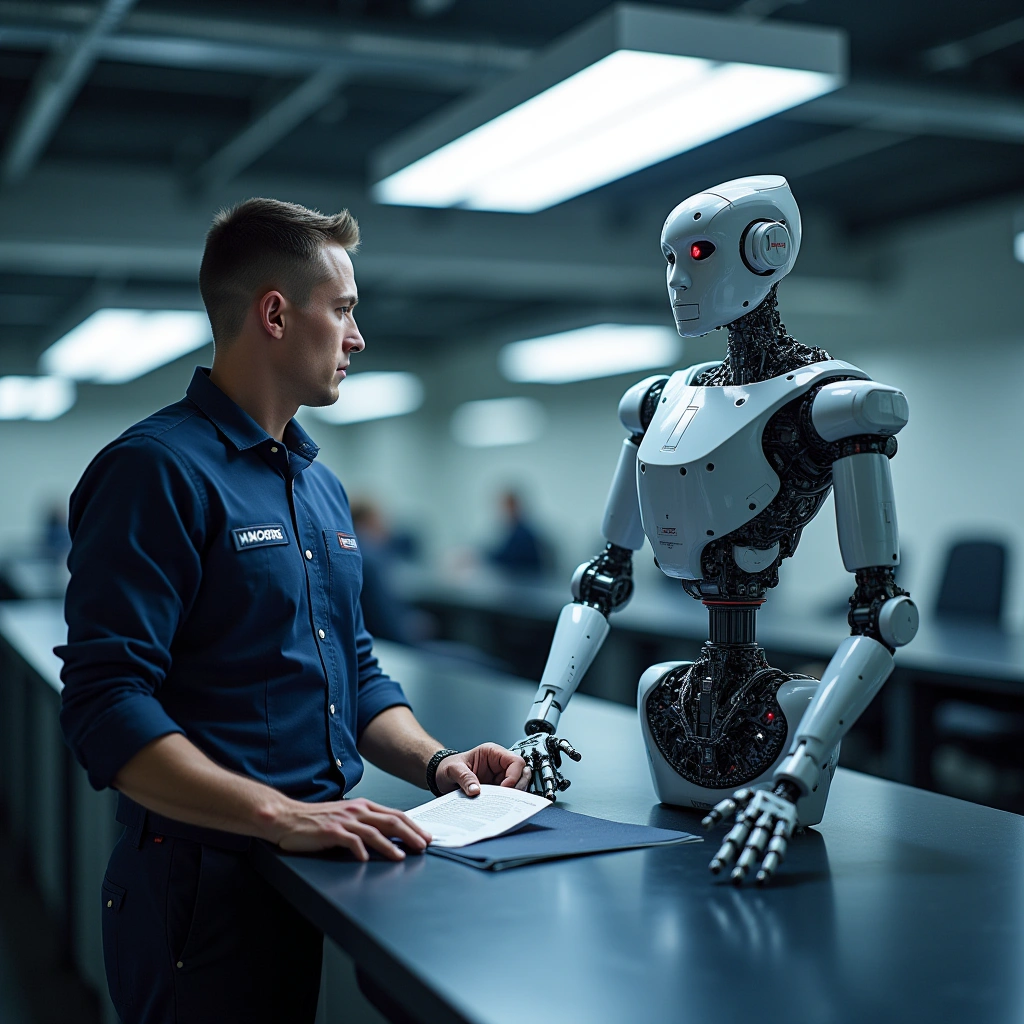
So, it seems the Pentagon has decided to embrace the future in a big way—by slashing its civilian harm reduction staff and opting for artificial intelligence to handle the complexities of war. Because, you know, nothing says ‘we care about civilian safety’ quite like a computer program crunching numbers instead of actual humans.
Meanwhile, the Pentagon is trying to replace some of the duties of its civilian harm mitigation staff with AI, The Intercept notes.
Let’s take a step back and unpack this decision. The Pentagon has historically had teams dedicated to reducing civilian harm during military operations. These folks were the unsung heroes, working tirelessly to ensure that when bombs dropped, they didn’t land on innocent bystanders. But apparently, it’s 2023, and who needs human empathy when you can have algorithms?
The reasoning behind this shift seems to be that AI can process information faster and more efficiently than a room full of well-meaning humans. Sure, machines can analyze data at lightning speed, but do they understand the weight of a life lost? Spoiler alert: they don’t.
Now, let’s talk about the implications of this decision. The Pentagon is clearly banking on AI to help make more precise targeting decisions, which sounds great in theory. But we all know that theory and practice can be like oil and water—especially when it comes to military operations.
Imagine a scenario where an AI miscalculates a target. Instead of a precision strike on a military target, it might result in a tragedy that could have been avoided with human oversight. Sure, we can program the AI to learn from its mistakes, but can it learn compassion? I’m going to go out on a limb and say no.
Moreover, this reliance on AI raises some serious ethical questions. Who is responsible when an AI makes a mistake? Is it the programmers? The generals? Or perhaps we’ll just blame it on the robots? As we dive deeper into this brave new world, it’s crucial to consider accountability and the real-world consequences of these decisions.
On top of that, the idea of replacing human roles with AI sounds eerily familiar. It’s like watching a sci-fi movie where humans are slowly phased out in favor of machines. Next thing you know, the Pentagon will be telling us that AI can also handle negotiations with foreign leaders.
In a nutshell, while the intention behind using AI to reduce civilian harm may stem from a desire to improve efficiency, the reality is far more complicated. Human lives are at stake, and there’s a limit to what algorithms can comprehend.
So the next time you hear about the Pentagon’s new tech-savvy approach, remember that sometimes, the human touch is irreplaceable. Or at least, let’s hope they don’t program the AI to play God anytime soon. Because if it does, we might just find ourselves in a whole new level of trouble—one that even the best algorithms can’t fix.
Inspired by: “Pentagon Slashed Civilian Harm Reduction Staff and Is Instead Using AI” (r/technology)