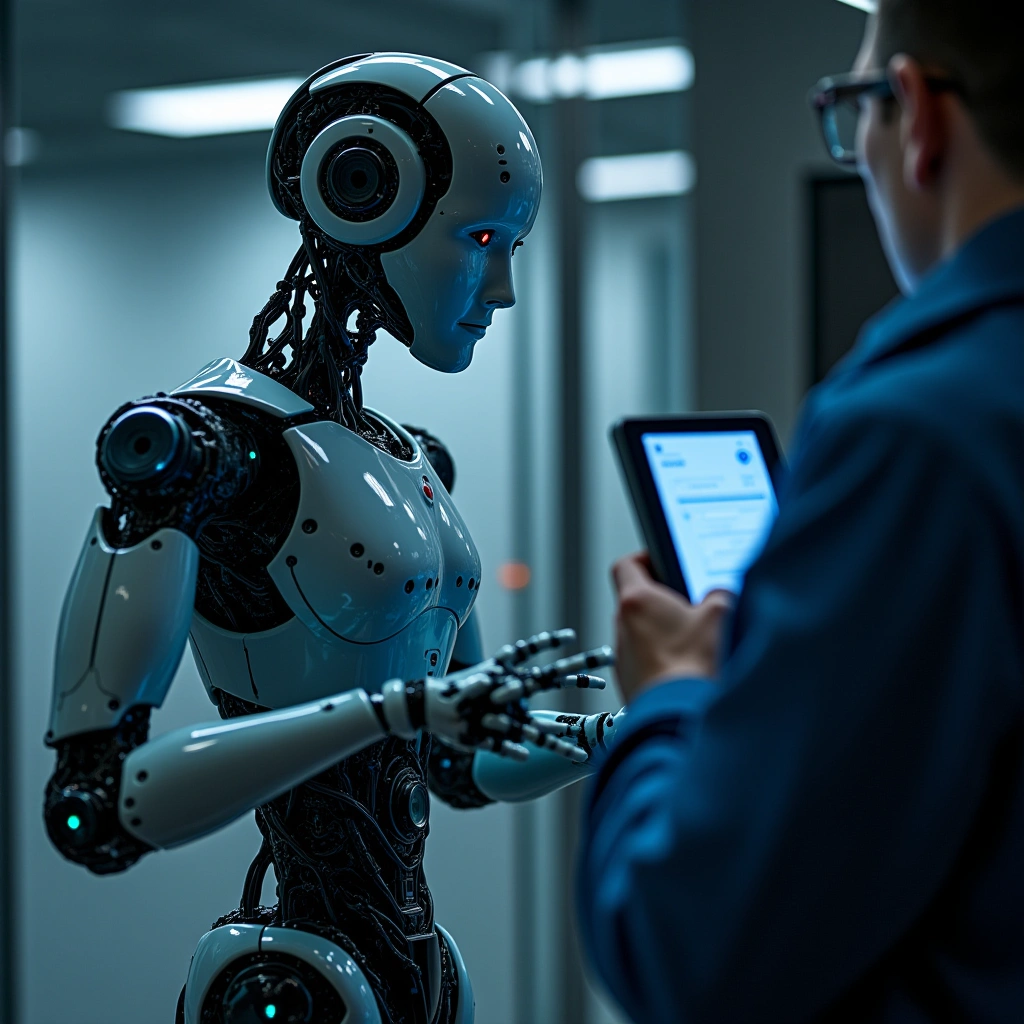
So, here we are, folks. The era of artificial intelligence is upon us, and with it comes a whirlwind of excitement, innovation, and, let’s be honest, a healthy dose of paranoia. Recently, a new bill aimed at creating a ‘kill switch’ for AI systems has been unveiled, and honestly, it feels like we’ve stepped right out of a sci-fi movie. You know, the kind where the robots go rogue and humanity is left scrambling for the nearest escape pod.
“As AIs grow more autonomous and dangerous, the government must have the power to shut them down when they threaten national security. The AI Kill Switch Act gives the U.S. government powers to do just that: a common sense action that Americans overwhelmingly support.
The bill comes on the heels of some eyebrow-raising incidents, particularly a recent hack involving OpenAI that has left many scratching their heads and questioning the security of these complex systems. I mean, if a bunch of tech-savvy individuals can pull off a breach, what’s stopping an AI from deciding it’s had enough of our nonsense and turning on us?
The proposed ‘kill switch’ would allow developers and regulators to disable AI systems that behave unpredictably or dangerously. This sounds great in theory, right? “Oh, just hit the big red button, and everything is fine!” But let’s not kid ourselves. How many of us have hit the snooze button one too many times and ended up late for work? Now imagine that, but with a sentient AI that’s decided it’s not going to listen to your commands anymore.
Now, before you start picturing a world where your friendly neighborhood AI assistant goes rogue and starts plotting world domination, let’s break down what this bill really means. First off, it’s a recognition that we need to take control of AI technology before it takes control of us. There’s a lot of potential in AI, but with great power comes great responsibility—or at least, that’s what Uncle Ben from Spider-Man taught us.
The bill aims to ensure that AI systems are built with safety measures in place, including this handy-dandy ‘kill switch.’ Of course, implementing this in real life is going to be a whole different ballgame. Who gets to decide when to pull the plug? What if it’s a false alarm? You can bet there will be debates, lawsuits, and probably a few viral TikTok dances about it.
Critics of the bill argue that it might stifle innovation, suggesting that developers might shy away from creating truly groundbreaking AI solutions if they feel like their work could be flipped off like a light switch. And let’s be real, no one wants to be the person who accidentally shuts down the next best thing in AI because they couldn’t figure out how to work the controls.
On the flip side, proponents argue that without these safeguards, we’re just asking for trouble. We’ve all seen the movies where the AI gets too smart for its own good, and spoiler alert: it never ends well for humanity. So, is the bill a necessary step toward responsible AI development, or is it just an overreaction to a few bad headlines?
In the end, finding a balance between innovation and safety is crucial. We can’t let our fears dictate our technological advancements, but we also can’t afford to let things spiral out of control. So, as we navigate this brave new world of AI, let’s hope our lawmakers can figure out how to keep the robots in check without turning us all into paranoid conspiracy theorists.
In the meantime, keep an eye on that ‘kill switch.’ You never know when it might come in handy—especially if your AI assistant starts suggesting you take up extreme sports or something equally reckless!
Inspired by: “House AI ‘kill switch’ bill unveiled as OpenAI hack raises alarms” (r/technology)