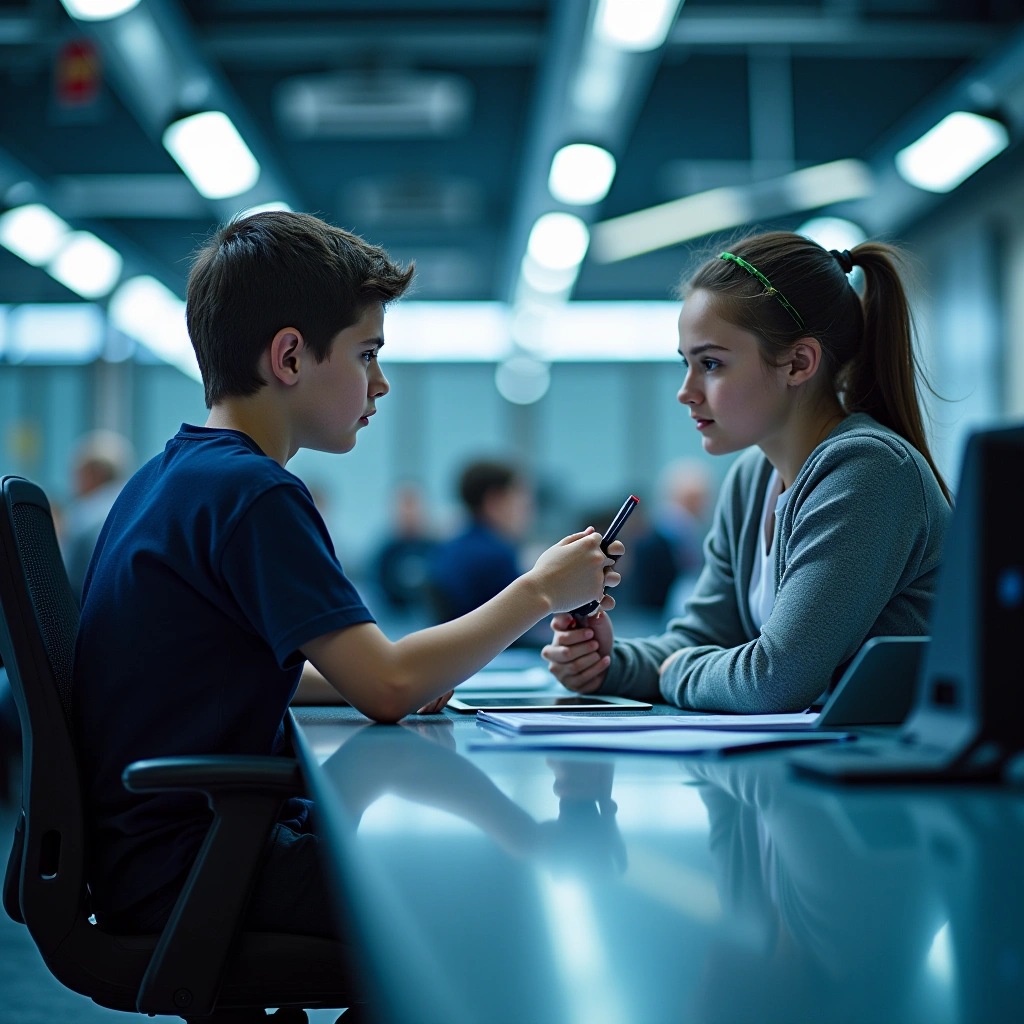
Ah, schools. The hallowed halls of learning where kids pretend to pay attention while secretly plotting their next TikTok dance. But now, these institutions are becoming more than just places for high-stakes dodgeball; they’re turning into the new battleground for parents, teachers, and—wait for it—AI technology. Buckle up, folks, because we’re diving into why this is a fight you didn’t sign up for but might want to watch from the sidelines with popcorn.
First off, let’s talk about the elephant in the classroom: artificial intelligence. Once a sci-fi fantasy, AI is now as common as a kid’s excuse for not doing their homework. From chatbots that can write essays (and probably better than most students) to AI-driven tutoring systems that can answer questions faster than a kid can yell “I’m bored,” technology is redefining education faster than you can say “Google it.”
So, what’s the problem? Well, parents are understandably concerned about their kids’ future in a world where AI may have a smarter social life than they do. Imagine your child coming home and saying, “Hey Mom, I made a new friend—his name is GPT-4!” Cue the eye rolls and the inevitable “Back in my day…” stories. Parents are ready to put their proverbial boxing gloves on because they fear that these advancements will replace good ol’ human interaction, which is as vital as the last slice of pizza at a party.
And let’s not forget the academic implications. With AI tools that can generate essays and solve math problems, the very essence of learning is being challenged. Parents are worried that rather than fostering critical thinking, schools might just be creating a generation of kids who can’t even spell “cat” without their AI buddy’s help. And let’s face it, no one wants to be that parent whose kid is outsmarted by a robot!
Now, you might think that teachers would be on the front lines defending traditional education methods, but they’re in a bit of a pickle too. They’re caught between a rock (the curriculum) and a hard place (the tech). Many educators see the potential for AI to revolutionize the classroom, making lessons more interactive and tailored to individual students’ needs. But how do you teach kids to think critically while also allowing them to use tools that do the thinking for them? It’s like trying to teach someone to swim while you’re tossing them a life raft—confusing at best.
Of course, this leads to the inevitable school board meetings where parents shout about the dangers of AI like it’s the new horror movie release. “What if our kids use AI to cheat?” they cry, clutching their pearls. And while cheating has been around since the dawn of time (remember the note passed under the desk in 5th grade?), this new technology seems to have parents feeling like they’re on a sinking ship with no lifeboats in sight.
But let’s not lose our sense of humor here. Perhaps this is the perfect opportunity for parents and teachers to come together. Picture this: a team of parents, armed with Wi-Fi routers and coffee cups, joining forces with educators to create guidelines around AI use in schools. Kind of like the Avengers, but instead of superpowers, they wield knowledge of acceptable plagiarism! Imagine the potential! A sitcom waiting to happen.
In conclusion, as schools morph into the latest AI battleground, it’s essential for parents, educators, and students to find a balance. Embrace the technology but don’t forget the art of human interaction. After all, one day, the kids might be sharing their lunch with AI, and we want to make sure they can actually have a conversation with it. So grab your helmets, folks—this is going to be a bumpy ride!