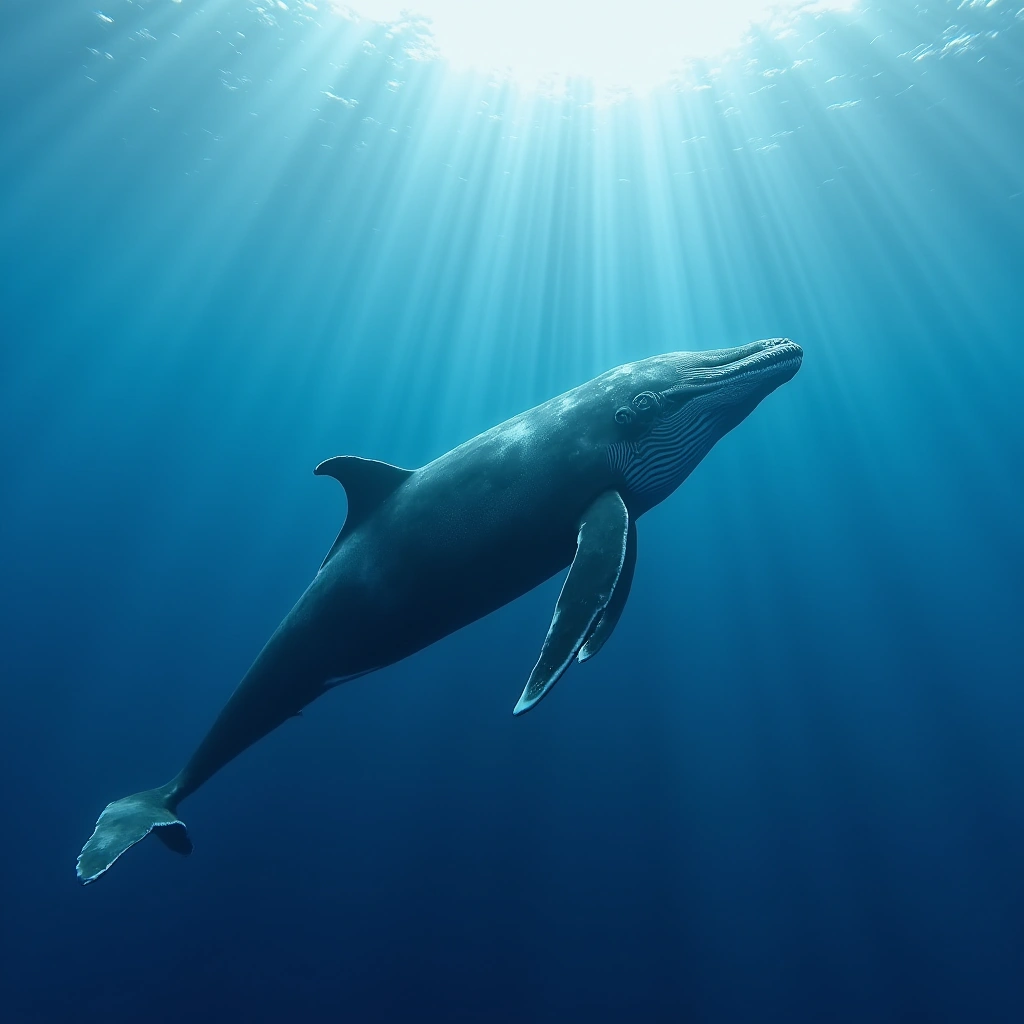
Alright, folks, grab your virtual popcorn because we’re diving deep into the oceanic drama of life itself! Yes, you read that correctly—today we’re talking about the incredible, the breathtaking, the absolutely jaw-dropping spectacle of a humpback whale giving birth. Spoiler alert: it’s not just an episode of Grey’s Anatomy, it’s a real-life underwater thriller!
Related reading: The Miracle
First things first, let’s set the stage. Picture yourself in the vast blue expanse of the ocean, surrounded by schools of fish and the occasional mermaid (hey, we can dream, right?). Suddenly, you spot a massive humpback whale, the size of a bus, gracefully gliding through the water. But wait! What’s that? Is she about to bring a new life into the world? You bet your flippers she is!
Now, before we get into the nitty-gritty, let’s address the whale-sized elephant in the room: yes, childbirth is messy. Just ask any human parent. But in the world of humpback whales, it’s an awe-inspiring event that even the ocean creatures pause to witness. Just imagine a baby whale, also known as a calf, who’s born in the open water, with no hospital, no nurse, and definitely no epidural. Talk about a tough start!
So, how does this whole process work? Well, humpback whales typically have a gestation period of about 11 to 12 months. That’s right, ladies, while you’re dealing with cravings and back pain, these whale moms are swimming around with a baby whale cooking away. And when it’s finally time to give birth, the mother whale will often swim to warmer waters, because let’s be honest: no one wants to give birth in a chilly ocean. It’s not exactly spa-like conditions!
The birthing process itself can last several hours, during which the mother whale will go through contractions. Yes, contractions! Just when you thought pregnancy couldn’t get any more relatable. But instead of breathing exercises and ice chips, she’s flapping her tail and making some serious waves. And then, with a triumphant splash, out comes the calf! It’s a scene that would make even the most hardened marine biologist shed a tear.
Once the baby whale is born, there’s a lot of work to do. The mother has to help her calf to the surface for its first breath of air. Can you imagine the pressure? “Okay, kid, don’t mess this up. Inhale, don’t drown!” After that, it’s all about bonding and feeding. The mother provides nutrient-rich milk, which can be as thick as a milkshake. Now that’s a diet we can get behind! Baby whales can gain up to 100 pounds a day. I mean, if only we could do the same on taco Tuesdays!
But here’s where it gets controversial. Some people argue that witnessing a whale giving birth should be left to nature without human interference. Others say, “Hey, let’s bring our cameras and make a documentary!” It’s a classic case of “nature vs. humanity”—but honestly, who can resist the allure of watching a giant creature give birth? It’s like being front-row at the most epic show on Earth!
In conclusion, watching a humpback whale give birth is not just an extraordinary natural event; it’s a reminder that life is beautiful, messy, and filled with surprises. Whether you’re Team Nature or Team Documentary, one thing’s for sure: this is one whale of a story that deserves to be shared. So next time you hear a whale song, just remember, it might be a proud mama celebrating her new arrival!
Inspired by: “A Humpback whale giving birth” (r/interestingasfuck)