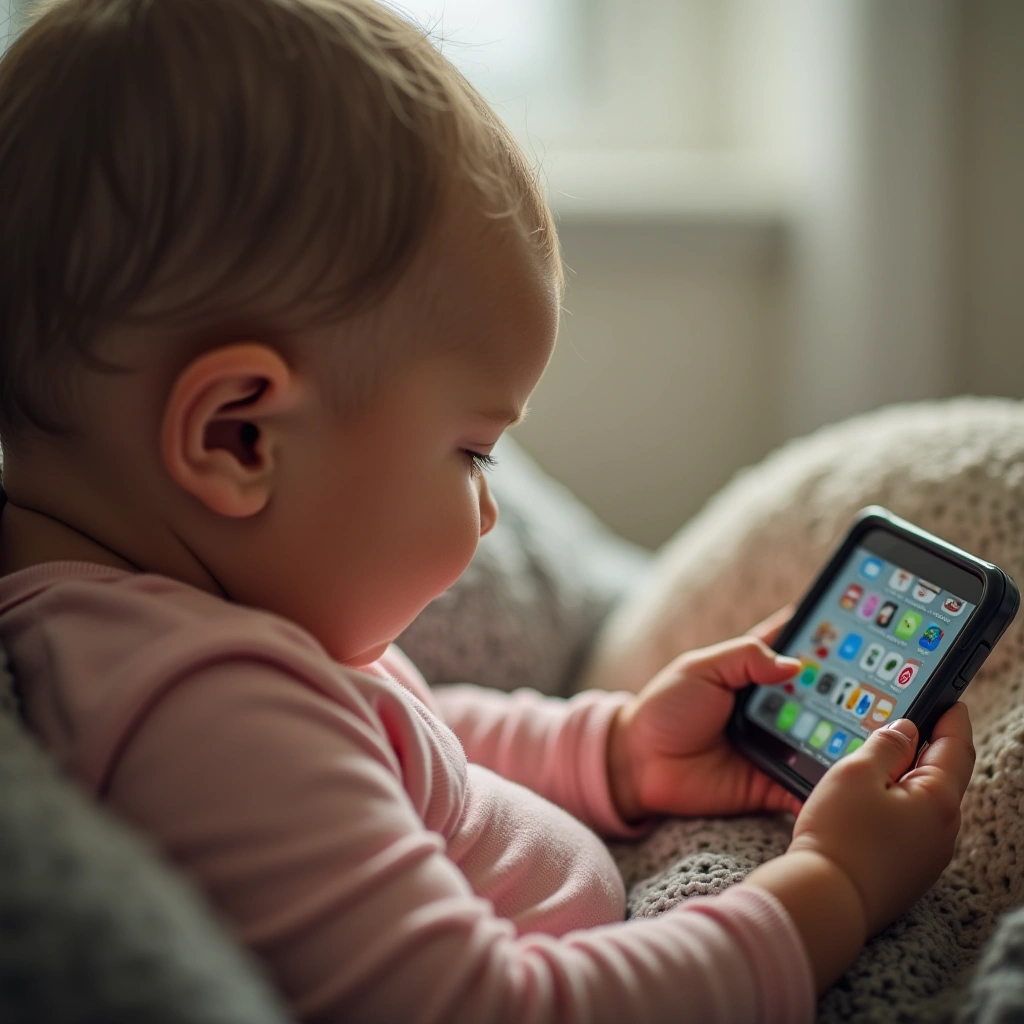
Ah, the iPhone. A device that has revolutionized the way we communicate, work, and—apparently—procreate. Yes, you read that right! A recent scientific study has taken a bold stance, claiming that the iPhone has contributed to a significant decline in fertility rates in the United States. Let’s dive into this intriguing assertion, shall we?
A recent study published by the National Bureau of Economic Research suggests that the iPhone’s introduction in 2007 may explain 33% to 52% of the U.S. fertility decline among women aged 15 to 44 between 2007 and 2011. Researchers attribute this drop to smartphones reducing face-to-face interactions and sexual activity while increasing access to contraception and pornography. While financial pressures and delayed marriage also contribute, the data indicates that early smartphone access significantly correlated with sharper birth rate declines, particularly among teens and young adults.
First off, let’s set the stage. The iPhone was first released in 2007, and since then, our lives have been irrevocably altered. Gone are the days of flipping through photo albums or having awkward conversations with strangers. Now, we can scroll through Instagram, binge-watch Netflix, and communicate with our best friends—all while pretending to pay attention to our dinner dates. But at what cost?
According to the study, the rise of smartphone usage, particularly the iPhone, correlates with a drop in birth rates. Researchers suggest that the constant connectivity and distractions provided by our beloved devices may be contributing to a shift in priorities among young adults. Who needs to think about starting a family when you can spend three hours deciding which filter to use on your latest selfie?
Let’s break it down. The study posits that as smartphones became more ubiquitous, individuals, especially millennials and Gen Z, have become increasingly focused on their careers, personal interests, and social media presence. In a world where you can achieve ‘influencer’ status with a few clever hashtags, why would anyone want to change diapers or endure sleepless nights? The allure of endless scrolling seems to have outshined the traditional path of family building.
But it’s not just about the distractions. The study also points out that smartphones have changed the way we interact and form relationships. With dating apps and social media, finding a partner has become a swipe away. However, these digital interactions often lack the depth of real-life connections, leading to a delay in serious relationships and, consequently, family planning. It’s hard to picture a romantic evening when you’re both glued to your screens, right?
Now, let’s not forget about the stress factor. The pressure to maintain a perfect online persona can lead to anxiety and burnout. Couples may feel that they need to achieve certain milestones—like buying a house or landing a dream job—before they can even consider starting a family. And with the rising costs of living, many are simply choosing to delay or forgo having children altogether.
Of course, there are plenty of other factors contributing to the decline in fertility rates, such as economic conditions and changing societal norms. But the iPhone, being the shiny gadget that it is, certainly deserves a seat at the table—or perhaps a place on the mantle, right next to the family photos that no one takes anymore.
So, what does this all mean? Are we really blaming the iPhone for the decline in fertility? It’s not like Apple intended for their product to become the primary reason for a drop in baby-making. But it does raise some interesting questions about how technology shapes our lives and decisions.
In the end, while the iPhone may not be solely responsible for the collapse in US fertility, it certainly plays a role in the evolving landscape of relationships and family planning. So, next time you’re scrolling through your feed, maybe take a moment to consider the implications of your screen time. After all, you never know when you might be ready to trade that smartphone for a baby bottle—or at least a cute puppy.
Now, if you’ll excuse me, I need to go check my notifications. Who knows, maybe I’ll find a new study that says binge-watching TV shows contributes to global warming. Cheers to technology!
Inspired by: “The iPhone contributed to ‘a collapse in US fertility,’ claims scientific study” (r/technology)