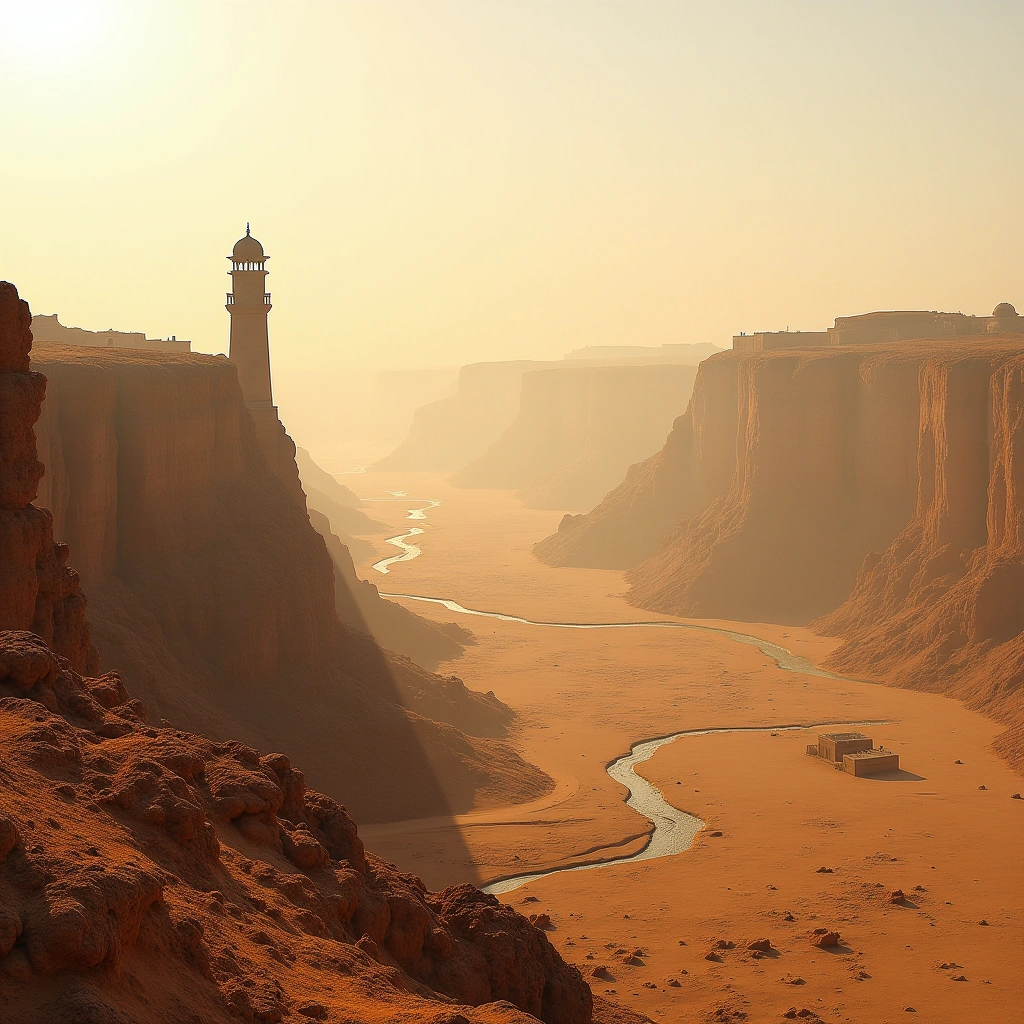
Hey there, fellow history buffs! Ever thought about why some of the world’s earliest civilizations sprouted in the most unforgiving landscapes? Well, buckle up because we’re diving into the geological drama of the Indus Valley and its buddies, Egypt and Mesopotamia. Spoiler alert: it’s not just about fertile soil and a great view of the mountains!
You see, the Indus Valley is like that friend who runs a marathon every weekend – it’s in the top 0.01% for a specific geological geometry that includes a major river (thanks, Indus River!) cutting through a desert while being flanked by tectonically active mountains. It’s like nature decided to make a complicated obstacle course just to see who could survive. And let me tell you, the stakes were high!
Now, let’s talk about our pals, Egypt and Mesopotamia, who are in the top 1% of this geological index. These locations were not just blessed with fertile land; they were also set up for some serious consequences. Imagine trying to farm in Egypt, where the Nile could either bless you with a bountiful harvest or wash away your dreams, literally. This river was both a lifeline and a tyrant, punishing those who miscalculated its whims.
It’s almost like the universe was sending a message: “Hey, if you want to thrive, you better be on your game!” And guess what? This tough love created societies that were resilient, innovative, and, let’s be honest, a bit paranoid about nature’s temper. It’s no wonder these civilizations developed intricate irrigation systems and advanced agricultural techniques. They had to – or else they’d end up as a cautionary tale in the history books!
But hold on, there’s more! The tectonic activity surrounding these valleys meant that earthquakes were part of the package deal. Just when you thought you’d figured out how to farm the land, Mother Nature would throw a seismic tantrum. Talk about a mood killer! This constant threat likely pushed these civilizations to innovate faster than a TikTok trend, leading to advancements that would shape human history.
So, what’s the takeaway here? The landscapes of the Indus Valley, Egypt, and Mesopotamia were not just backgrounds for epic tales; they were dynamic characters in their own right. They challenged early humans to adapt, survive, and evolve. And while we often celebrate the fruits of their labor, let’s not forget the harsh lessons they learned along the way.
In conclusion, next time you’re sipping a nice latte and scrolling through your feed, think about how much these ancient civilizations had to contend with. It wasn’t all pyramids and ziggurats; it was also a constant battle against nature’s whims. So, here’s to the Indus Valley, Egypt, and Mesopotamia – the ultimate tough love trio in the history of human civilization!