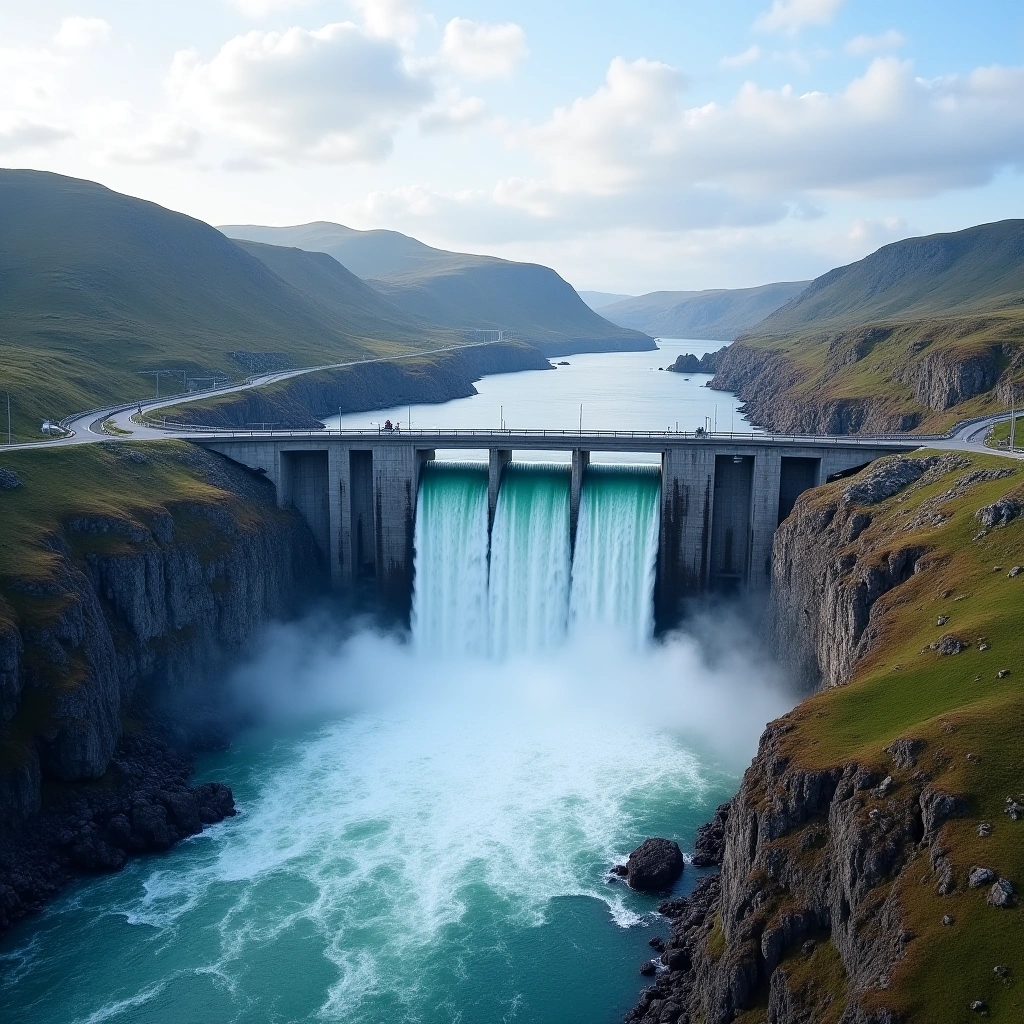
Shifting electricity to renewable energy and then electrifying vehicles and heating can eliminate most human-caused greenhouse gas emissions . The U.S. has vast potential for off-river pumped hydro storage to help this happen, and it will need …
When it comes to renewable energy, we often hear about solar panels glimmering in the sun and wind turbines twirling gracefully in the breeze. But let’s not forget about the quiet hero of the energy world: pumped hydro storage. More specifically, off-river pumped hydro, which could be the unsung champion we didn’t know we needed. According to recent discussions, there are potentially up to 800,000 sites worldwide that could harness this technology. Yes, you read that right—800,000! That’s more than the number of times I’ve hit the snooze button this week.
So, what exactly is off-river pumped hydro? Great question! In simple terms, it’s a method of storing energy by using two water reservoirs at different elevations. When energy demand is low (like at 3 AM when everyone is dreaming about their next meal), excess energy is used to pump water from a lower reservoir to a higher one. Then, during peak demand times (like when you’re trying to power through a Netflix binge), that stored water is released back down, spinning turbines to generate electricity. It’s like a high-tech version of filling a bathtub and then letting the water out when you need it—just without the rubber duckies.
Now, why is this important? Well, with the world increasingly leaning towards renewable energy sources, the need for effective energy storage solutions has never been greater. Solar and wind energy are fantastic, but they have this little quirk called intermittency. The sun doesn’t always shine, and the wind doesn’t always blow—who knew? Off-river pumped hydro could provide the reliable storage needed to balance this out, ensuring that when the sun sets or the wind dies down, we still have power to keep our lights on and our devices charged.
The storage capacity of off-river pumped hydro is also a major selling point. Estimates suggest it could vastly exceed global energy storage requirements. Imagine a world where we could store energy from the sun and wind and use it whenever we need it. It’s like having a giant battery that doesn’t require you to remember to plug it in or buy an expensive replacement every couple of years.
Now, before we all start daydreaming about a future powered solely by off-river pumped hydro, let’s talk about some of the challenges. First, we need to identify and assess these 800,000 potential sites. Spoiler alert: Not every site is going to be ideal for construction. We’re looking at geographical, environmental, and regulatory hurdles that will make this a bit of a trek.
Additionally, while off-river pumped hydro can store vast amounts of energy, it’s not exactly a quick fix. Building these systems takes time, money, and a fair bit of planning. So, if you were hoping to have a fully operational off-river pumped hydro system by next week, I hate to break it to you, but you might want to adjust your expectations.
In conclusion, off-river pumped hydro presents an exciting opportunity in the renewable energy landscape. With the potential to tap into 800,000 sites and provide storage capacities that could exceed our current energy needs, it’s time to give this technology the attention it deserves. Who knows? Maybe one day we’ll look back and say, “Remember when we thought solar panels were the coolest thing ever?” And that’s when we’ll realize that pumped hydro was the real MVP all along. So, here’s to the future of energy storage—may it be as bright as my neighbor’s solar lights that keep me awake at night!
Inspired by: “Off-river pumped hydro is possible at up to 800,000 sites worldwide and has a storage capacity vast…” (r/climatechange)