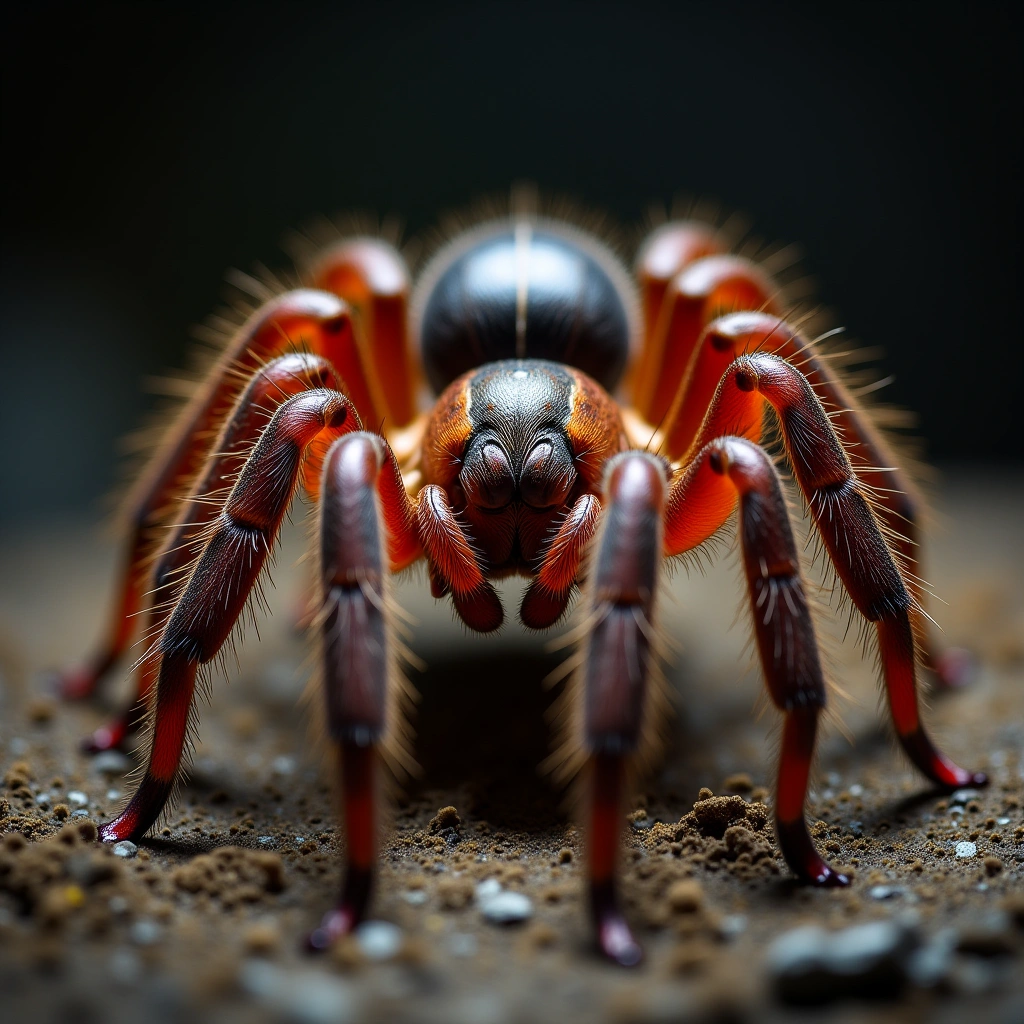
Alright, my fellow adventurous souls, gather ’round because we’re about to dive deep into the mysterious world of tarantulas and their heartbeats. Yes, you heard that right! We’re talking about the eight-legged wonders that make even the bravest of us squeal like a toddler seeing a spider for the first time. So, buckle up and let’s explore the rhythmic thumping of these eight-legged marvels!
First things first, let’s address the elephant in the room—or should I say the spider in the corner? Tarantulas are not your average spiders. They’re like the rockstars of the arachnid world, sporting a fuzzy exterior and a heart that beats like it’s in a race against time (or perhaps just a little too much caffeine). But how does a tarantula’s heart actually work, you ask?
Well, strap in, because tarantula hearts are more complicated than my last relationship. These creatures have an open circulatory system, meaning their blood is not contained in vessels like ours. Instead, it sloshes around in a cavity, which is both terrifying and fascinating. Imagine your heart pumping and your blood just kind of, well, chilling out in your body. Sounds like a party, right?
The heart itself is located on the dorsal side (that’s the fancy word for ‘top’), and it’s a tubular structure that contracts rhythmically. Now, if you thought your heart skipped a beat when your crush walks by, wait until you hear this: a tarantula’s heart can beat up to 4 times per minute. Not exactly a techno club, but hey, they’ve got their groove!
So, why should you care about a tarantula’s heartbeat? Well, dear reader, it’s not just for the sake of trivia at your next awkward dinner party. Understanding the heartbeats of these creatures can provide insight into their health and well-being. A healthy tarantula should have a steady heartbeat, while a stressed or sick one may show erratic rhythms. It’s like a spider version of a wellness check!
And let’s not forget the sheer drama of a tarantula’s life! When they sense danger, their heart rate can increase significantly. It’s like the ultimate adrenaline rush—one minute they’re lounging in their web, and the next they’re sprinting away like they just remembered they left the oven on. Who knew these little fellas had such dramatic flair?
Now, I can already hear the skeptics: “Why should I care about a spider’s heart when I can binge-watch another season of my favorite show?” Fair point, my friend! But consider this: by learning about the biology of tarantulas, we can better appreciate the ecosystems they inhabit and the role they play in keeping pests at bay. They’re like the unsung heroes of the insect world!
In conclusion, while I might not invite a tarantula to my next brunch (can you imagine the stares?), understanding their heartbeat gives us a peek into the complex lives of these misunderstood creatures. So next time you see a tarantula, remember: beneath that hairy exterior lies a heart that beats with passion, perhaps for pizza like the rest of us. And who knows, maybe one day we’ll all learn to love these little critters as much as they love scaring us! Until then, keep your heartbeats steady and your spider facts ready!