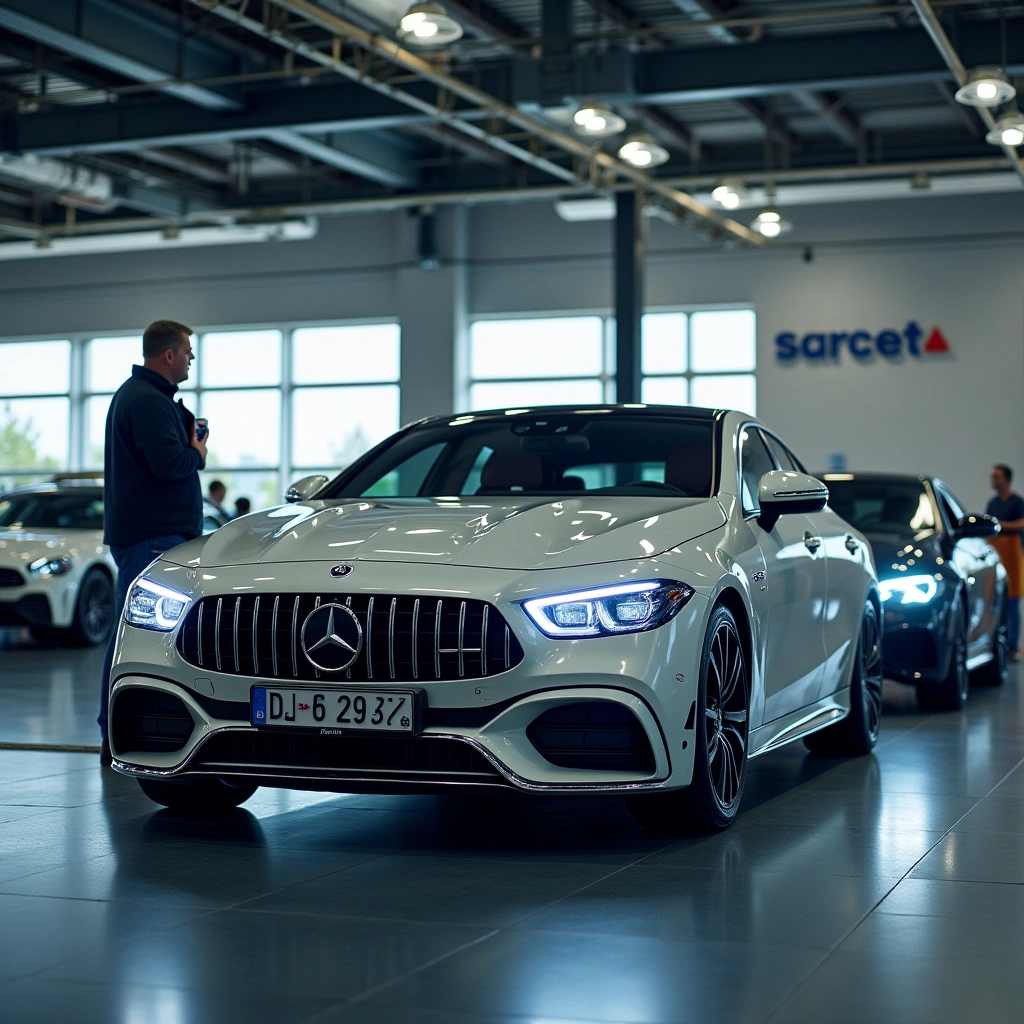
Ah, the automotive industry. A place where dreams of sleek cars and high-speed adventures collide with the harsh realities of corporate restructuring. In a plot twist that could rival any soap opera, German carmakers are flooding the job market with managers as they cut thousands of white-collar positions. Yes, you heard that right. It’s like a game of corporate musical chairs, but instead of music, we have the sound of office chairs scraping against the floor as employees pack up their desks.
Germany’s automotive industry is undergoing a historic structural contraction, with over 100,000 jobs lost since 2019 and massive cuts accelerating in 2025–2026 as manufacturers like Volkswagen, BMW, and Mercedes-Benz slash up to 50,000 positions to stabilize collapsing profit margins. This "less is more" strategy is driven by weakening global demand, particularly in China, intense competition from cheaper and more advanced Chinese EVs, and high production costs in Germany that have left factories with only 55% average capacity utilization. Consequently, the industry is shifting from its traditional high-volume model to a leaner, 9-million-vehicle annual capacity structure, accepting that not all German production sites can survive in the new economic reality.
First up on the chopping block is Volkswagen, which has decided that 50,000 white-collar workers are just too many. I mean, who needs that many people sitting around in offices, right? Apparently, the folks at Volkswagen think they can save a few bucks by trimming the fat. Or perhaps they’re just trying to make room for more engineers to work on their next line of electric vehicles—because, you know, the future of cars is all about saving the planet while still looking good in the parking lot.
Then we have BMW, which is also getting in on the fun by shedding 8,000 jobs in desk positions. Now, I’m not sure what exactly a desk job entails at BMW, but I can only imagine it involves a lot of staring at spreadsheets and dreaming of the day you can finally take that company car for a spin. But alas, those dreams are now dashed as BMW decides that less is, indeed, more.
So, what’s the reason behind this sudden purge of managerial positions? Well, it seems that the automotive industry is going through a bit of a transformation. With the rise of electric vehicles and the need for more sustainable practices, companies are re-evaluating their workforce. It’s almost like they’ve realized that having a thousand managers overseeing three employees each isn’t the most efficient way to run a business. Who would have thought?
This mass exodus of jobs is creating quite the stir in the job market. For every manager let go, there’s someone else out there ready to snatch up that position—because let’s face it, there are only so many ways to rephrase “Can you please file this report?” before you hit a wall. The influx of experienced managers might just make the job market a bit saturated, but hey, at least there will be more coffee breaks to go around.
In the end, while this might seem like a catastrophe for those affected, it’s also an opportunity for others. The job market is about to get a lot more interesting, and if you’ve ever wanted to work in the automotive industry, now might just be your time to shine. Just remember to brush up on your Excel skills and practice that all-important ability to pretend you’re busy when your boss walks by.
So, here’s to the brave souls navigating this new landscape! May your job search be fruitful and your coffee cups always full. And who knows? Maybe one day, you’ll be the one at the helm of a new electric vehicle, steering the future of the automotive world while sipping your favorite brew. Just don’t forget to send a thank you card to Volkswagen and BMW for making it all possible.
Inspired by: “German carmakers flood jobs market with managers — Volkswagen to cut 50,000 white-collar workers in…” (r/technology)