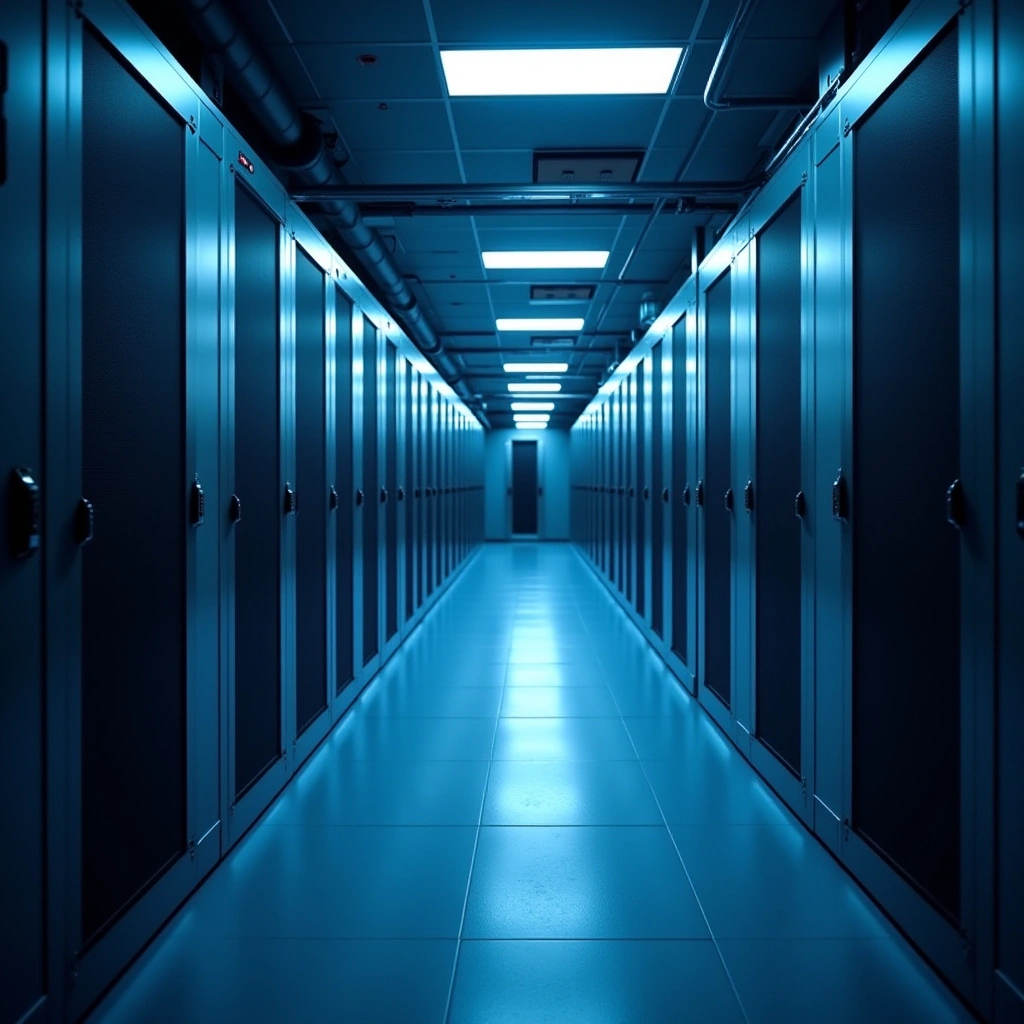
So, it seems America is on a bit of a data center building spree—3,000 new data centers, to be exact. Now, before you get too excited and start imagining a world where every cat video and meme is stored in a shiny new facility, let’s pump the brakes and take a closer look at the economics of this ambitious venture. Spoiler alert: it’s not as glamorous as it sounds.
While there are certainly economic benefits to the recent proliferation of data centers, money isn’t everything.
First off, let’s talk about why we’re building all these data centers. With the explosion of cloud computing, big data, and, let’s face it, our insatiable need for streaming services, it’s no wonder companies are racing to store more data than ever. But here’s the kicker—just because we’re building them doesn’t mean they’re going to be profitable or even efficient. It’s kind of like buying a fancy treadmill and using it as a clothes rack.
Now, why might the economics of these data centers not be as great as they seem? Well, for starters, the initial investment is massive. We’re talking billions of dollars in construction, equipment, and infrastructure. And here’s the fun part: the operating costs can be just as daunting. Think energy consumption, maintenance, and staffing. It turns out keeping servers cool and running is not a cheap endeavor. Who knew?
In fact, energy costs are one of the biggest hurdles. Data centers are notorious for their voracious appetite for electricity. According to some reports, they can consume more energy than entire cities! So, while we’re busy patting ourselves on the back for creating jobs and boosting the economy, we might want to consider that we’re also contributing to climate change. It’s like throwing a party and realizing you’ve invited the entire neighborhood—with a side of global warming.
Then there’s the issue of location. Not every spot is ideal for a data center. Some areas face natural disasters—hello, hurricanes and earthquakes—while others may not have the infrastructure to support such a massive energy load. You wouldn’t set up a data center in a place where the power goes out every time someone switches on a toaster, right? Or would you?
Let’s not forget about the competition. With so many data centers popping up, the market could become saturated faster than you can say “cloud storage.” If supply outweighs demand, we might find ourselves in a situation where companies are left scrambling to fill their shiny new facilities. It’s like opening a restaurant in a city that already has fifty pizzerias—good luck with that!
And here’s another curveball: the tech landscape is constantly changing. What’s in demand today might be obsolete tomorrow. Remember when everyone thought Blockbuster was invincible? Yeah, let’s hope that doesn’t happen to these data centers. Investing in technology that could quickly become outdated is like betting on a horse that’s already lost the race.
So, while the idea of building 3,000 data centers sounds like a bold move towards technological advancement, we need to approach it with a healthy dose of skepticism. The economics are complex, and the risks are real. It’s not all rainbows and unicorns in the data storage world.
In conclusion, let’s keep an eye on this data center boom. It could either lead to a new era of efficiency and innovation or become a cautionary tale about overbuilding and underestimating costs. The next time you binge-watch your favorite series, just remember: it’s not just the content that’s being streamed; it’s a whole lot of economics behind the scenes, and it’s not as rosy as it appears. Who knew data centers could be so dramatic?
Inspired by: “America is building 3,000 data centers. The economics aren’t as great as they seem” (r/technology)