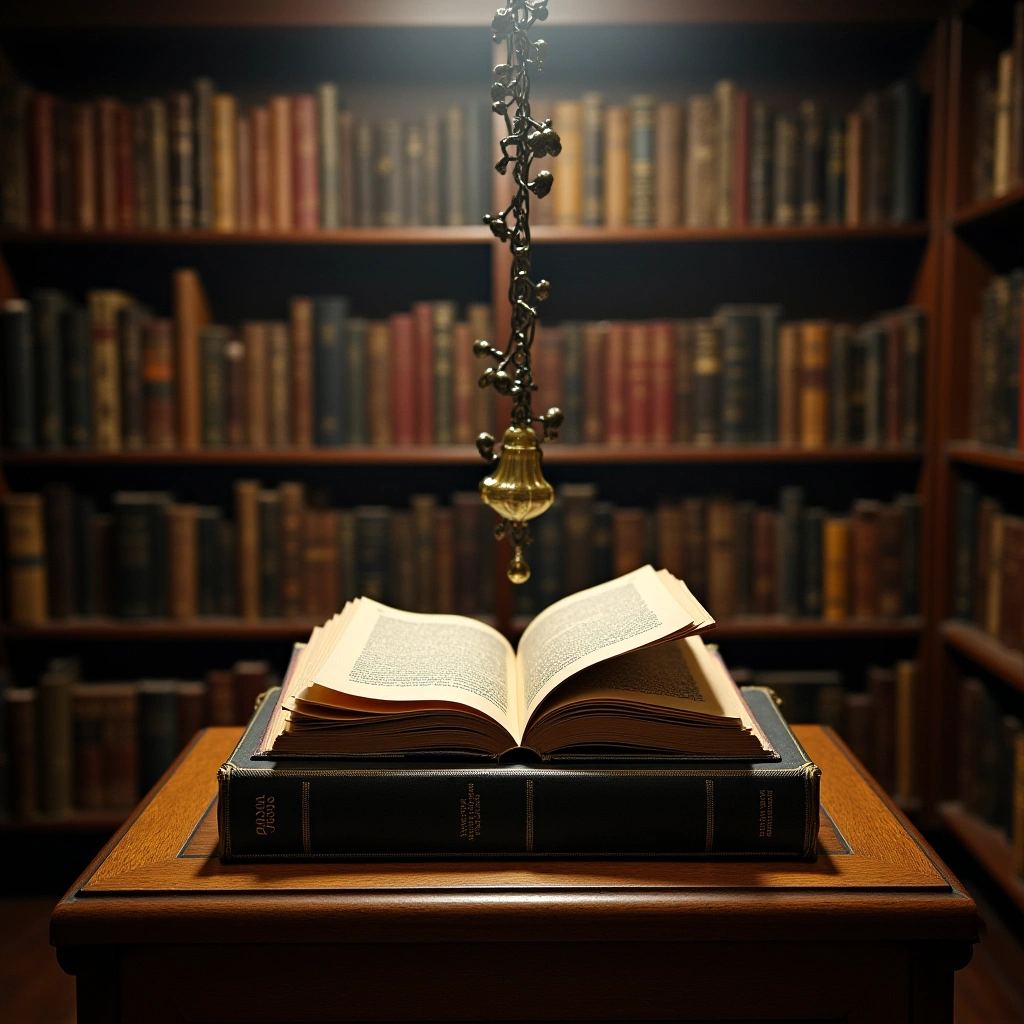
In a plot twist that seems ripped straight from a dystopian novel, AI labs have taken to buying, scanning, and, well, shredding millions of rare books. Yes, you read that right. It’s not just a book club gone rogue; it’s an entire industry that seems to think that rare books are just fancy paperweights waiting to be turned into data.
One small book seller said that in April, he suddenly went from selling no more than 20 books a week to hundreds, and he’s almost certain that the customers are AI labs, noting the random selection of the books and how they all have ISBNs. He added that his inventory is full with rare and out of print books, meaning that an AI company could be destroying some of the few remaining copies that can be found.
Now, before you grab your pitchforks and start marching towards the nearest AI lab, let’s unpack this a little. The idea behind this controversial practice is to digitize rare texts, making them more accessible to the masses. Sounds noble, right? After all, who doesn’t want to read the works of Shakespeare without having to risk their life in a dusty old library? But here’s the catch: in the process of digitization, many of these books are being destroyed. Yes, destroyed. They are being shredded as if they’re just yesterday’s news.
You might be thinking, “But why?” Well, the reasoning goes something like this: once a book is scanned and made available in a digital format, it’s no longer needed in its physical form. So, why not turn it into confetti? It’s a troubling mindset that has many bibliophiles clutching their pearls and gasping in horror. Imagine a world where the only copies of literary masterpieces are in the cloud, floating around like digital ghosts, while their physical counterparts are reduced to pulp.
Let’s not forget the irony here. These AI labs, which often tout their commitment to preserving knowledge and culture, are quite literally shredding history. It’s like a bad magic trick where the magician saws a lady in half, but instead of applause, all you get is the sound of pages ripping. And let’s face it, if you’ve ever tried to read a book on a screen, you know it’s just not the same. There’s something about the smell of old paper and the feel of a book in your hands that a tablet just can’t replicate. Plus, who doesn’t love that moment of panic when you accidentally spill coffee on a priceless manuscript?
Of course, the argument for digitization isn’t entirely without merit. Access to rare texts can be a game changer for researchers, students, and casual readers alike. Imagine being able to dive into the depths of literary history without having to brave the labyrinth of a university library. But at what cost? Are we really okay with sacrificing our literary heritage for the sake of convenience?
In a world where AI is already taking over mundane tasks, do we really want to hand over the keys to our cultural treasures? It’s a slippery slope, folks. One minute you’re scanning a first edition of ‘Moby Dick’, and the next you’re watching as your favorite childhood books are turned into digital dust.
So, what can we do about this? Well, for starters, we can raise our voices. We can advocate for the preservation of physical texts alongside their digital counterparts. We can demand that AI labs treat our literary history with the respect it deserves. Because if we don’t, we might just wake up one day to find that all that’s left of our rich literary heritage is a few lines of code floating in cyberspace.
In conclusion, while the digital age has brought us many wonderful things, it’s essential to remember that not everything should be reduced to data. Rare books are not just collections of words; they are pieces of history, culture, and human experience. So, let’s keep the shredders away from our beloved books and find a way to celebrate both the old and the new. After all, we don’t want to live in a world where the only thing left of Shakespeare is a poorly formatted eBook on your tablet. Let’s keep the pages turning, both literally and metaphorically.
Inspired by: “Claude, ChatGPT: AI labs buy, scan, shred millions of rare books.” (r/technology)