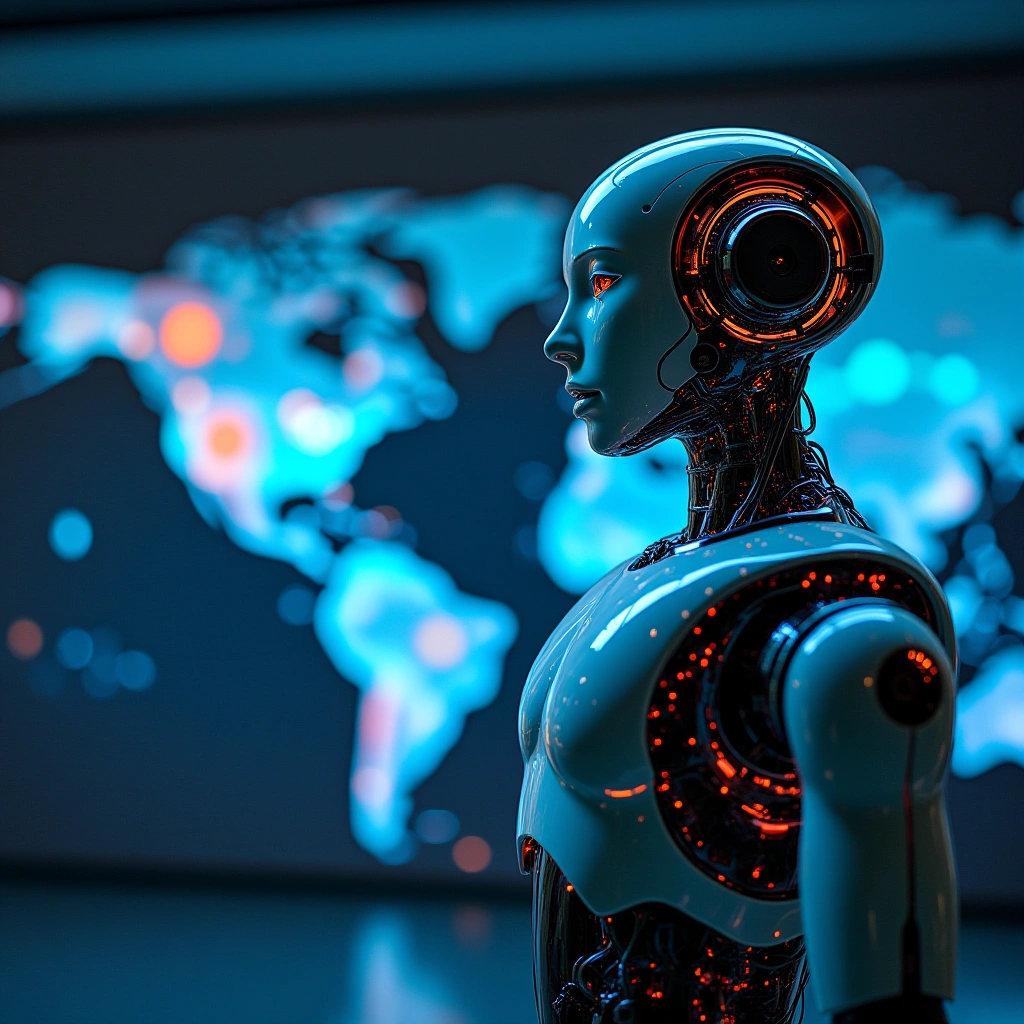
Ah, the age-old tale of innovation versus imitation! Grab your popcorn, folks, because the latest episode in the tech drama unfolds with the White House pointing fingers at China for allegedly copying American AI models in what they describe as an ‘industrial-scale’ operation. Now, that sounds like a blockbuster, doesn’t it?
So, what’s the story here? According to reports, the U.S. government has launched a full-fledged accusation that China is not just borrowing a page from the American tech playbook, but is flipping through the entire book, taking notes, and maybe even photocopying it in the back room. You know, like that one friend who never brings their textbook to class but somehow aces every exam. Suspicious, right?
Let’s break it down a bit. AI, or Artificial Intelligence for those who still think it’s the name of a sci-fi movie, is the hottest ticket in the tech world right now. We’re talking about everything from self-driving cars to AI-generated cat memes (thank you, internet). The U.S. has invested billions in developing sophisticated AI models, while China has been rumored to be making significant strides by… well, let’s say ‘borrowing’ ideas from these American innovations.
Now, before you grab your pitchforks, let’s consider the bigger picture. Copying is as old as time. Remember when every kid in school just had to have the same pair of sneakers as the coolest kid? This is just the tech version of the same playground antics. But, we’re not just talking about fashion here; we’re talking about national security, economic competition, and the future of technology that could impact global power dynamics.
Some might argue that innovation thrives on inspiration. After all, didn’t Apple take a big chunk of design inspiration from Xerox? But I digress. The question is, where do we draw the line between inspiration and imitation? Is China simply playing catch-up, or are they outright swiping the goods? And if they really are copying, what does that mean for the rest of us? Are we destined to live in a world where every AI model looks like a cheap knockoff, like those designer bags you can find in a back alley?
On the flip side, the White House’s accusations could be viewed as a strategic move to rally support for stronger regulations and protections for American tech companies. After all, if you can paint your competitor as the villain, it makes it much easier to justify your own actions. It’s like that classic childhood strategy: “Mom, he started it!”
As this saga unfolds, tech enthusiasts, entrepreneurs, and government officials alike will be watching closely. Will China pivot towards more original innovation, or will they continue to operate under the banner of ‘If it works, why not make it a little more… familiar?’
In the end, the truth may lie somewhere in between. While it’s essential to protect intellectual property, it’s equally important to foster an environment of collaboration and innovation. After all, wouldn’t it be nice if we could all just get along and work toward a brighter, AI-powered future? Or is that just a pipe dream?
So, what’s your take? Are we witnessing a tech Cold War, or just a case of tech sibling rivalry? Let the debates begin!