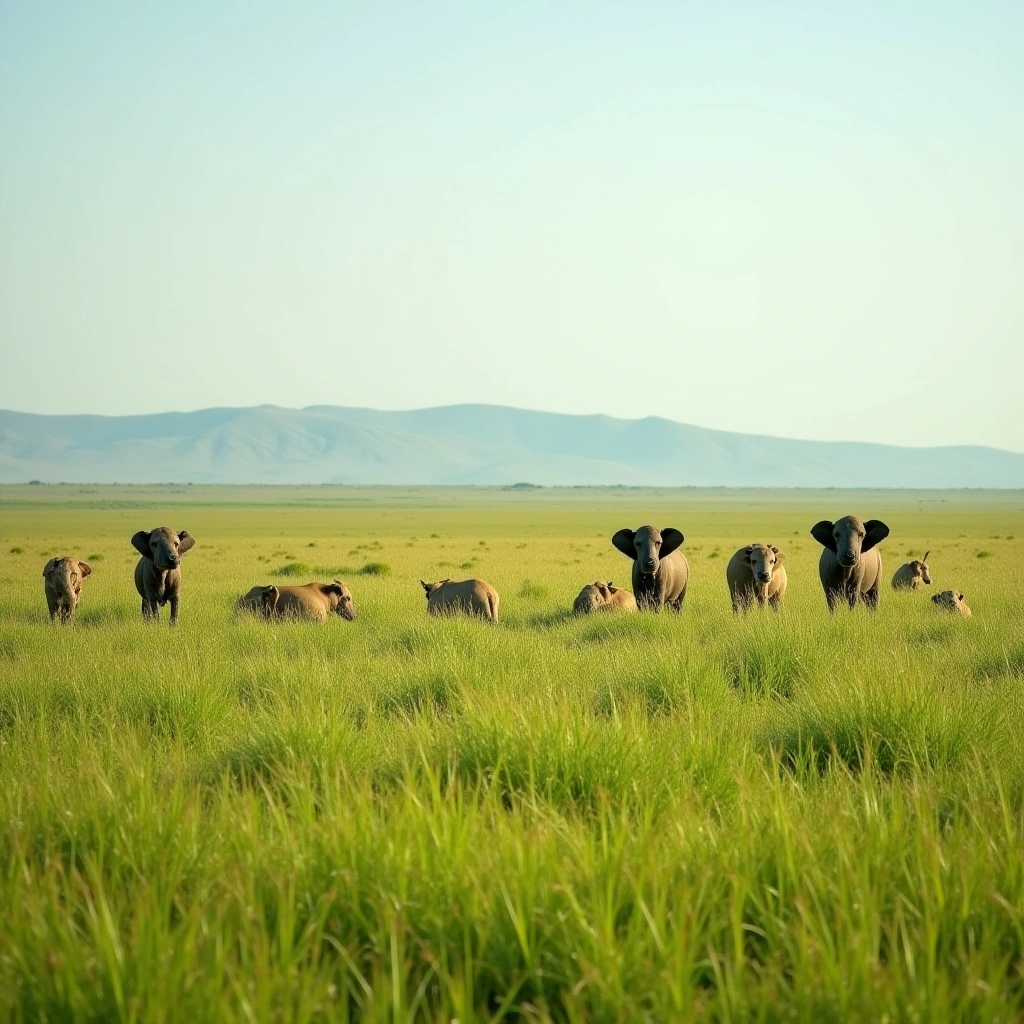
The study found that rising atmospheric carbon dioxide has boosted grass growth in Africa’s water-limited savannas by helping grasses conserve water and maintain photosynthesis during dry periods. Long-term observations in South Africa’s Kruger National Park showed grass production increased by 28% between 1989 and 2021, with the largest relative gains in the park’s driest areas.
If you thought the African savanna was just a picturesque landscape filled with majestic elephants and lounging lions, think again! Recent studies have revealed that the savanna is undergoing a rather unexpected transformation, and it’s all thanks to our old friend—carbon dioxide. Yes, the same gas that’s been blamed for rising temperatures and climate change is also making grasses grow faster. So, grab your safari hat and let’s dive into this grass-growing phenomenon!
According to a study highlighted on Reddit, the increase in carbon dioxide levels, largely due to our not-so-great habit of burning fossil fuels, is giving grasses on the African savanna a serious growth spurt. It’s like they’ve discovered a new protein shake or something. While this may sound like a great thing for the grasses, it could have some pretty alarming consequences for the ecosystem.
Now, you might be thinking, “What’s the big deal about faster grass growth?” Well, let me tell you! When grasses grow faster, they can become more abundant, and guess what? This could lead to larger wildfires. Yes, you heard that right. Instead of just being a nice green backdrop for our Instagram photos, the savanna could turn into a fiery inferno. And no one wants their vacation photos to feature a raging wildfire, right?
The study warns that as grasses proliferate, the risk of wildfires increases significantly. The more grass there is, the more fuel there is for fires, and we all know how quickly a fire can spread in such dry, hot conditions. It’s like giving a toddler a box of matches and telling them to have fun—bad idea.
But wait, there’s more! The rapid growth of grasses could also alter the distribution of wildlife. Animals that rely on specific types of vegetation might find themselves in a bit of a pickle. Some species may thrive in the new grass-heavy environment, while others could struggle to adapt. Imagine a zebra trying to find its favorite snack only to discover it’s been replaced by a different, less tasty variety. Not exactly a win-win situation for our four-legged friends.
And let’s not forget about the humans involved! The changes in the ecosystem could affect local communities that depend on the land for agriculture and grazing. Farmers might find that their crops are competing with fast-growing grasses, leading to a less-than-ideal scenario for their livelihoods. It’s like inviting a party crasher who eats all your snacks—totally rude and disruptive!
So, what does this all mean for the future? Well, while the increased growth of grasses might seem like a silver lining in the face of climate change, it’s crucial to understand the potential ripple effects throughout the ecosystem. It’s a classic case of “be careful what you wish for.” We might end up with a lush savanna, but at what cost?
In conclusion, while we can appreciate the beauty of a greener savanna, let’s not forget the bigger picture. Rising CO2 levels are like that annoying friend who can’t take a hint—they just keep showing up and changing the dynamics of the party. As we continue to grapple with climate change, it’s essential to keep an eye on how these changes impact our planet, the wildlife, and yes, even our favorite vacation spots. So next time you see a photo of a verdant savanna, remember: it’s not just about the grass; it’s about the entire ecosystem that depends on a delicate balance. And let’s hope that balance doesn’t go up in flames!
Inspired by: “Rising CO2 Speeds the Growth of Grasses on the African Savanna” (r/climatechange)