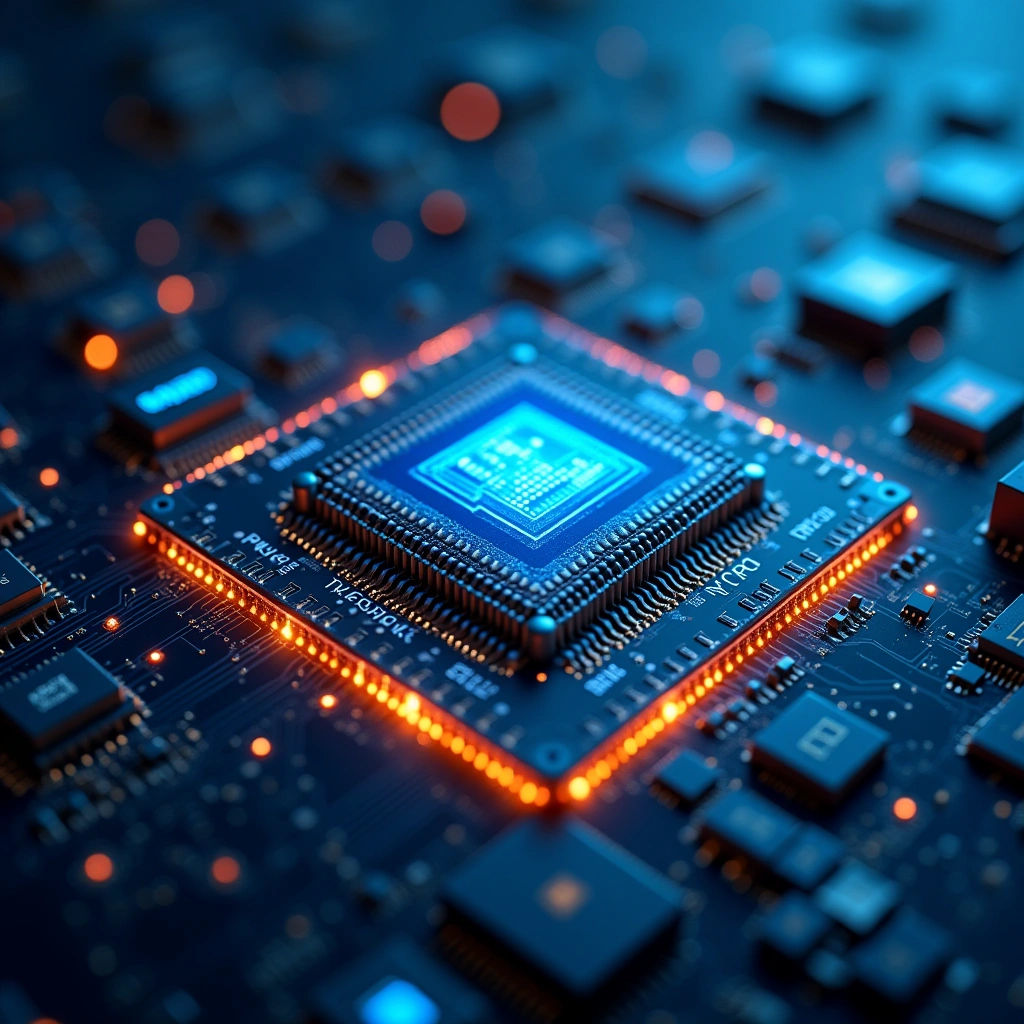
In a world that’s increasingly driven by technology, it’s no surprise that nations are scrambling to secure their own sovereign AI capabilities. The race is on, and it’s not just a leisurely jog in the park; it’s more like a high-stakes sprint through a minefield. Why? Because chips and energy are the new strategic assets, and every country wants to be the one holding all the cards.
"Eastern Data, Western Computing": Facing spatial and energy constraints on the densely populated East Coast, the Chinese government is engineering mega-clusters for AI in its Western provinces, where renewable energy and land are abundant. It is an infrastructure megaproject on a continental scale. The Sovereign State Cloud: Necessity has accelerated domestic hardware innovation. Huawei’s Ascend accelerators and other local chips are now powering massive server farms designed specifically for government entities and state-owned enterprises, ensuring the nation does not rely on foreign technology to maintain its industrial machinery.
Let’s break this down. First, we have the chips. No, not the kind you munch on while binge-watching your favorite series, but the semiconductor chips that power everything from your smartphone to advanced AI systems. These tiny pieces of silicon are the backbone of modern technology, and their demand has skyrocketed. With the global economy relying so heavily on tech, countries are realizing that if they don’t have a solid supply of these chips, they might as well be living in the Stone Age.
Now, enter energy—the other half of this dynamic duo. In the world of AI, energy isn’t just a nice-to-have; it’s a must-have. Running complex algorithms requires massive amounts of power, and as countries race to develop more sophisticated AI systems, they need to ensure they have a reliable and sustainable energy source. So, if you thought that the energy crisis was just a passing phase, think again. It’s now a central player in the geopolitical arena.
So, what does this mean for nations? Well, they’re ramping up efforts to secure their own supply chains for AI chips and energy. Countries are investing in domestic semiconductor manufacturing, which is great news for the economy and job creation, but it also raises the question: how soon before we see a chip shortage that makes toilet paper look plentiful?
And let’s not forget about the international aspect. Countries are forming alliances and partnerships to ensure they can access the resources they need. Think of it as a game of chess, but instead of pawns and knights, we have engineers and energy moguls. The stakes are high, and the moves are calculated.
But here’s where it gets a little spicy: as nations race to secure their own AI capabilities, there’s a risk of creating a tech divide. Some countries will emerge as leaders, while others may find themselves lagging behind. It’s like a technological Hunger Games, and we all know how that turned out.
In conclusion, the race for sovereign AI is not just about chips and energy; it’s about securing the future. Nations are realizing that in this digital age, having access to cutting-edge technology is crucial for economic and geopolitical power. So, as we watch this race unfold, let’s hope it doesn’t turn into a full-blown tech war. Because, honestly, who wants to live in a world where the biggest concern is whether your neighbor has a better AI than you do?
Keep your eyes peeled, folks. This is just the beginning!
Inspired by: “Nations race to secure sovereign AI as chips, energy become strategic assets” (r/technology)