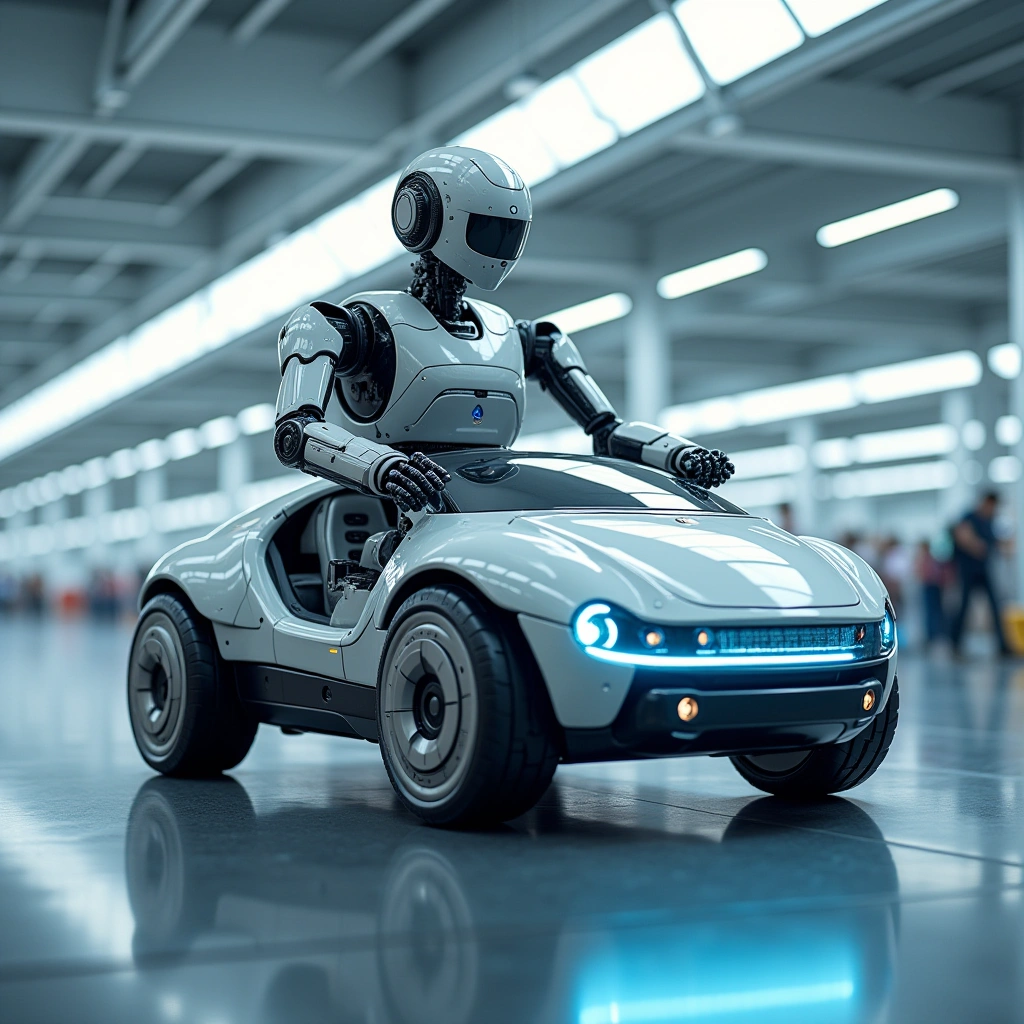
If you thought getting a ride in a car without a driver was just a wild sci-fi fantasy, think again. According to a recent report from Morgan Stanley, the global robotaxi market is projected to soar to a staggering $1 trillion by the year 2040. Yes, you heard that right—trillion with a ‘T.’ And if you’re wondering how we got here, let’s take a little trip down the technological highway.
ROBOTAXIS — A $1 TRILLION MARKET … a turning point, with the race shifting from proving the technology to scaling operations in a market it estimates could be worth $1 trillion globally by 2040.The shift is driven by …
First off, let’s talk about China, because apparently, they’re not just good at making affordable electronics and delicious dumplings. Morgan Stanley notes that the costs of tech in China are dropping faster than your favorite snack at a midnight binge session. This means that developing and deploying robotaxi technology is becoming more economically feasible. As a result, we can expect to see these driverless wonders popping up in cities across the globe like they’re the latest trendy coffee shop.
Now, you might be wondering, what exactly is a robotaxi? Picture this: a car that drives itself while you kick back, relax, and maybe even take a little nap. It’s like having a personal chauffeur, except your chauffeur won’t judge you for the weird playlist you’ve got going on. No more road rage or awkward small talk—just you and your destination, courtesy of a sophisticated algorithm.
But before you start daydreaming about the convenience of robotaxis, let’s not forget that we’re still in the early days of this technology. Sure, we’ve seen some impressive prototypes and trials, but there are still plenty of hurdles to jump over. For instance, how do we ensure that a robotaxi won’t take a detour to the nearest donut shop instead of your office? (I mean, who could blame it, right?)
Moreover, safety is a huge concern. We all remember the headlines when things didn’t go according to plan during some of the initial trials. While the technology is getting better, it’s going to take some time before we can fully trust a computer to navigate the chaos that is urban driving. So, if you’re thinking about investing in a robotaxi company, just remember: it’s a wild ride—literally.
Also, let’s talk about the implications of this technology on our daily lives. Imagine a world where you don’t have to worry about parking, or where traffic jams become a thing of the past because robotaxis are smart enough to communicate with each other. Sounds like a dream, right? But, of course, with every innovation comes a downside. Will we see a decline in traditional taxi services? Will the job market be flooded with ex-drivers looking for new gigs? The answer is likely yes to both, but hey, at least we’ll have more time to binge-watch our favorite shows while being whisked away by our autonomous companions.
In conclusion, the robotaxi market is revving its engines and getting ready for a $1 trillion journey by 2040. With China leading the charge in tech cost reductions, we’re on the brink of a transportation revolution. So sit back, relax, and maybe grab a snack—because this is going to be one heck of a ride. Just make sure your robotaxi doesn’t have a mind of its own and decide to take you on a scenic route through the nearest donut shop.
Inspired by: “Global robotaxi market set to hit US$1t by 2040 as China tech costs plummet: Morgan Stanley” (r/technology)