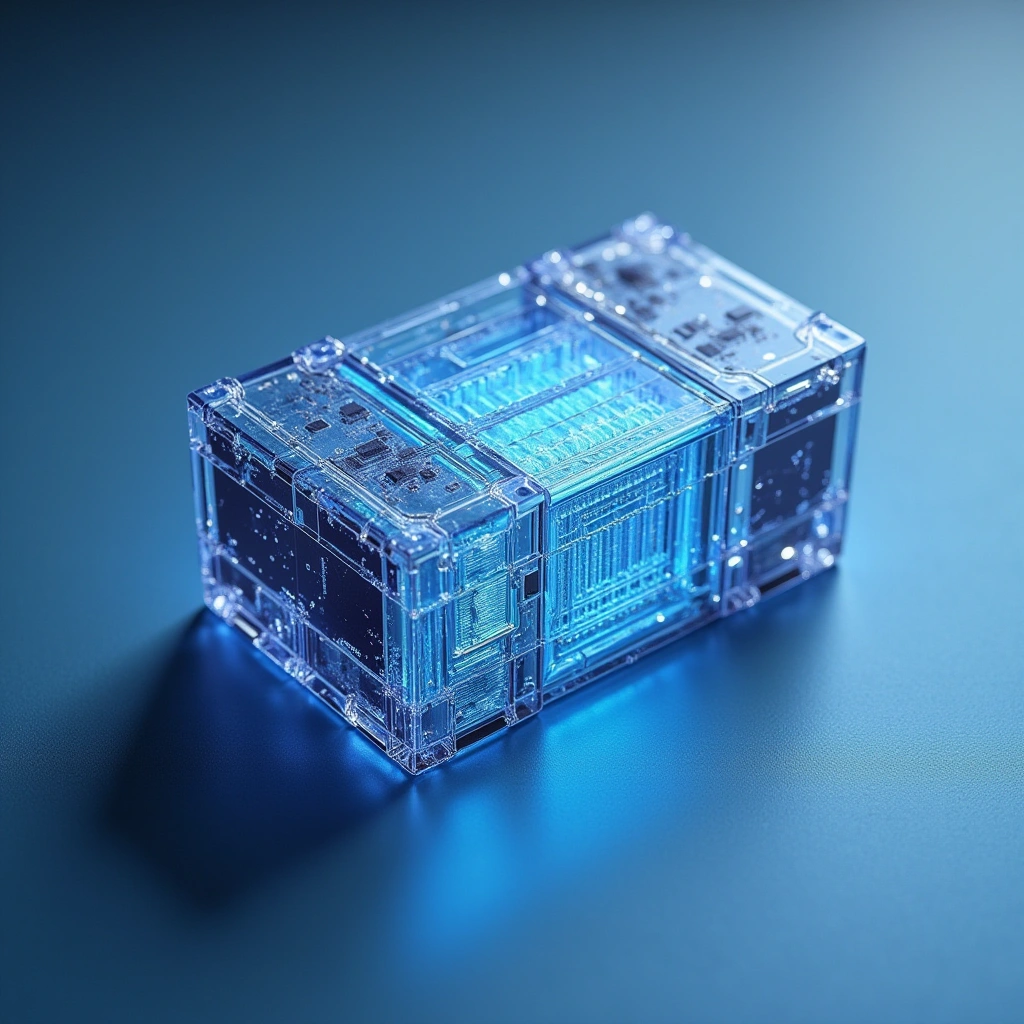
Hey there, battery enthusiasts and casual readers alike! Today, we’re diving deep into the electrifying world of lithium-ion batteries, specifically focusing on some groundbreaking advancements that might just make your phone last longer than a day without a charge. Spoiler alert: we’re talking about 3D-printed cobalt-free electrodes, and yes, it’s as cool as it sounds.
"Using lithium iron phosphate, commonly referred to as LFP, combined with a carbon matrix, we eliminated the use of dangerous cobalt while improving the mechanical resilience of the battery."
So, let’s set the stage. Lithium-ion batteries are the unsung heroes of our tech-filled lives. They power everything from our smartphones to electric vehicles. However, they have a bit of a reputation when it comes to safety. You might recall the occasional news story about a phone bursting into flames or a hoverboard spontaneously combusting. No one wants that kind of excitement in their pocket, right?
Enter the heroes of our story: cobalt-free electrodes. If you’ve ever been to a party where someone showed up without a plus-one, you know how refreshing it can be. Similarly, cobalt-free electrodes are shaking up the battery game by eliminating the need for cobalt, a material that has been linked to serious ethical and environmental concerns. Plus, cobalt mining is like that one friend who always shows up late and leaves a mess behind.
Now, you might be wondering, “Why 3D printing? Isn’t that just for making cute little figurines and prototypes?” Well, my friend, 3D printing is revolutionizing the way we create battery components. This technology allows for more complex designs that can enhance the performance and efficiency of batteries. Imagine being able to print a battery electrode that fits your needs perfectly, like a tailored suit but for your electronics. That’s a game changer!
By using 3D printing to create these cobalt-free electrodes, researchers are not only improving safety but also boosting power output. That means longer-lasting batteries that don’t require a PhD in engineering to understand. It’s like finding out that your favorite pizza place now offers a gluten-free crust that doesn’t taste like cardboard. Everyone wins!
Now, let’s talk about the implications of this technology. If we can produce safer, more efficient batteries, it could lead to a surge in electric vehicle adoption. Imagine a world where you can drive for days on end without worrying about stopping for a charge. Your road trips would be way less about finding a charging station and more about finding the best roadside diners. And who doesn’t want that?
But wait, there’s more! The move towards cobalt-free electrodes is also a step towards sustainability. Cobalt mining has been associated with numerous environmental and human rights issues. By reducing or eliminating the reliance on cobalt, we’re taking a small but significant step towards a greener future. It’s like recycling your plastic bottles but on a much grander scale.
In conclusion, the advancements in 3D-printed cobalt-free electrodes could be the key to unlocking the full potential of lithium-ion batteries. We’re looking at a future where our devices last longer, are safer, and have a smaller environmental footprint. So, the next time your phone lasts all day on a single charge, you can thank the engineers and researchers who are working tirelessly behind the scenes. And who knows? Maybe one day, we’ll be able to charge our devices just by thinking about it. But until then, let’s embrace these exciting developments in battery technology. Cheers to a brighter, more electrified future!
Inspired by: “Safer lithium-ion batteries move closer as 3D-printed cobalt-free electrodes boost power” (r/technology)