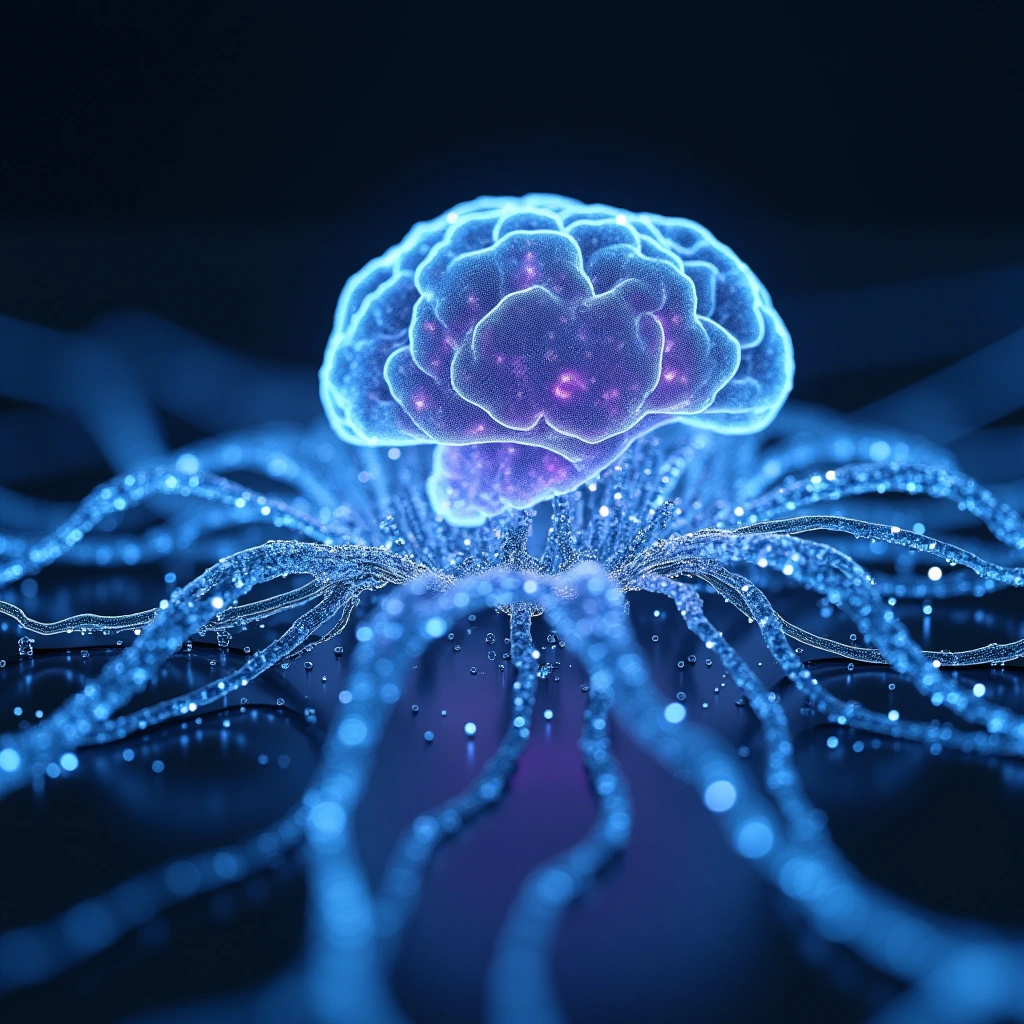
Hey there, tech enthusiasts and future dwellers! Buckle up, because we’re diving into some seriously mind-bending territory. Imagine a world where your computer doesn’t just run on silicon chips but instead uses living brain cells to process information. Sounds like something straight out of a sci-fi movie, right? But hold onto your keyboards, because it’s happening!
Recently, researchers have unveiled a 3D device that utilizes living brain cells for computing. Yes, you heard that right! Instead of the usual binary code, we could be looking at a new era of biological computing. Now, before you start picturing a little brain in a jar typing your emails, let’s break this down.
First off, this is not a scene from The Matrix. These brain cells are cultured in a lab and organized in a 3D structure, allowing them to function similarly to neurons in our noggins. They can communicate with each other, process information, and, if they had feelings, they’d probably be feeling pretty smart about it.
Now, you might be asking: “Why in the world would we want to use brain cells instead of good ol’ reliable silicon?” Well, the answer lies in the potential for superior processing power. Biological systems are incredibly efficient at handling complex tasks. Think about it: your brain is a powerhouse of information processing, multitasking, and even daydreaming about pizza while trying to focus on work.
Plus, these living systems could potentially lead to more sustainable computing. While silicon chips rely on mining and are notoriously energy-hungry, brain cells might just be the eco-friendly alternative we didn’t know we needed. Imagine a future where your computer runs on cells cultivated from your very own brain tissue. Okay, maybe not your own—let’s keep that ethical dilemma on the back burner.
But before we jump on the bandwagon of brainy computing, let’s address the elephant in the room: ethical concerns. Are we ready to start using living organisms in technology? What happens if the brain cells develop consciousness? Will they demand rights? Will we need to provide them with tiny little computers? This is where things get a bit murky.
And speaking of murky, let’s not forget the potential for science to go awry. Remember when scientists decided to create glowing mice? Yeah, let’s not go there. The thought of brain cells powering our devices sounds great, but we sure don’t want them getting any funny ideas about world domination.
In conclusion, the development of 3D devices using living brain cells is a fascinating glimpse into the future. It’s a blend of biology and technology that could revolutionize how we process information. But as we embrace this brave new world, let’s tread carefully. Because while the future is bright, it might also be a little bit squishy.
So, what do you think? Would you welcome your new brainy overlords, or are you more of a silicon stalwart? Share your thoughts and let’s keep the conversation going!