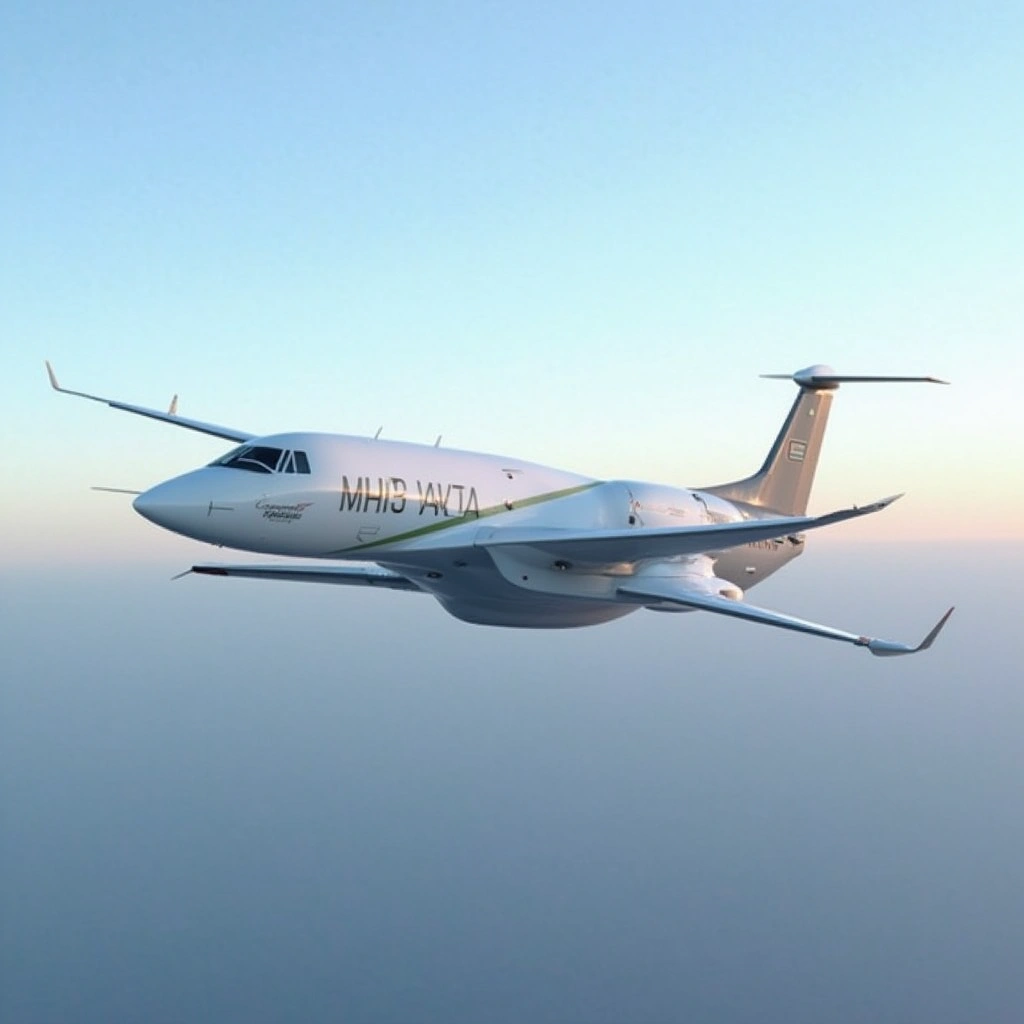
In a world where technology seems to advance faster than we can keep up, it’s hard not to feel a little overwhelmed. One day you’re trying to figure out how to operate a new app on your phone, and the next thing you know, hybrid cargo aircraft are getting self-flying upgrades for risky missions. Yup, you heard that right!
Most are eVTOL aircraft, powered by propellers and designed to move people or cargo above congested roads with far less ground infrastructure than traditional aviation requires. The potential prize is enormous. Morgan Stanley has estimated the market for personal autonomous aircraft could reach $1.5 trillion, while SkyDrive CEO Tomohiro Fukuzawa has predicted flying taxi fares could fall to around double the cost of conventional taxis by 2030.
Let’s unpack this exciting news. Hybrid cargo aircraft, which combine traditional jet fuel and electric power, are already impressive feats of engineering. They promise to reduce emissions and improve fuel efficiency. But now, they’re getting a makeover that would make even the most stylish celebrities envious: they’re going self-flying!
Now, you might be thinking, “Self-flying? Isn’t that a bit like letting my cat drive my car?” Well, it’s not quite the same. These aircraft are designed with advanced technology that allows them to navigate and operate without constant human intervention. Imagine a cargo plane that can take off, fly, and land all on its own while you sit back sipping your coffee (or maybe a martini if it’s been one of those days).
But why the upgrade? The answer is simple: risky missions. Cargo planes often have to traverse challenging environments, whether it’s delivering supplies to remote areas after a natural disaster or flying over hostile territories. In these situations, a human pilot might be at greater risk, especially if the mission involves dodging bullets or trying to avoid a flock of angry geese.
With a self-flying option, these aircraft can handle the tough jobs without putting a human pilot in harm’s way. Plus, let’s face it, humans can be a little unpredictable. You never know when one might decide to take a nap mid-flight (not that I would know from personal experience, of course).
Now, before you start picturing a scene from a sci-fi movie where these planes develop a mind of their own and decide to take over the world, let’s be clear: these self-flying systems are programmed with safety protocols and are monitored by trained professionals. So, no need to worry about your next cargo delivery being hijacked by a rogue aircraft.
As we look to the future, the implications of this technology are vast. Think about it: more efficient deliveries, reduced risk for human pilots, and potentially lower costs for companies. It’s a win-win! And who knows? Maybe someday we’ll see self-flying passenger planes. Just imagine boarding a plane that doesn’t require a pilot—what a time to be alive!
So, the next time you hear about hybrid cargo aircraft and their self-flying upgrades, just remember: it’s not just about flying—it’s about flying smart. And who wouldn’t want to see that in action? After all, if our cargo can fly itself, maybe we’ll finally be able to train our pets to do the same. Fingers crossed!
Inspired by: “Hybrid cargo aircraft gets self-flying upgrade for risky missions” (r/technology)