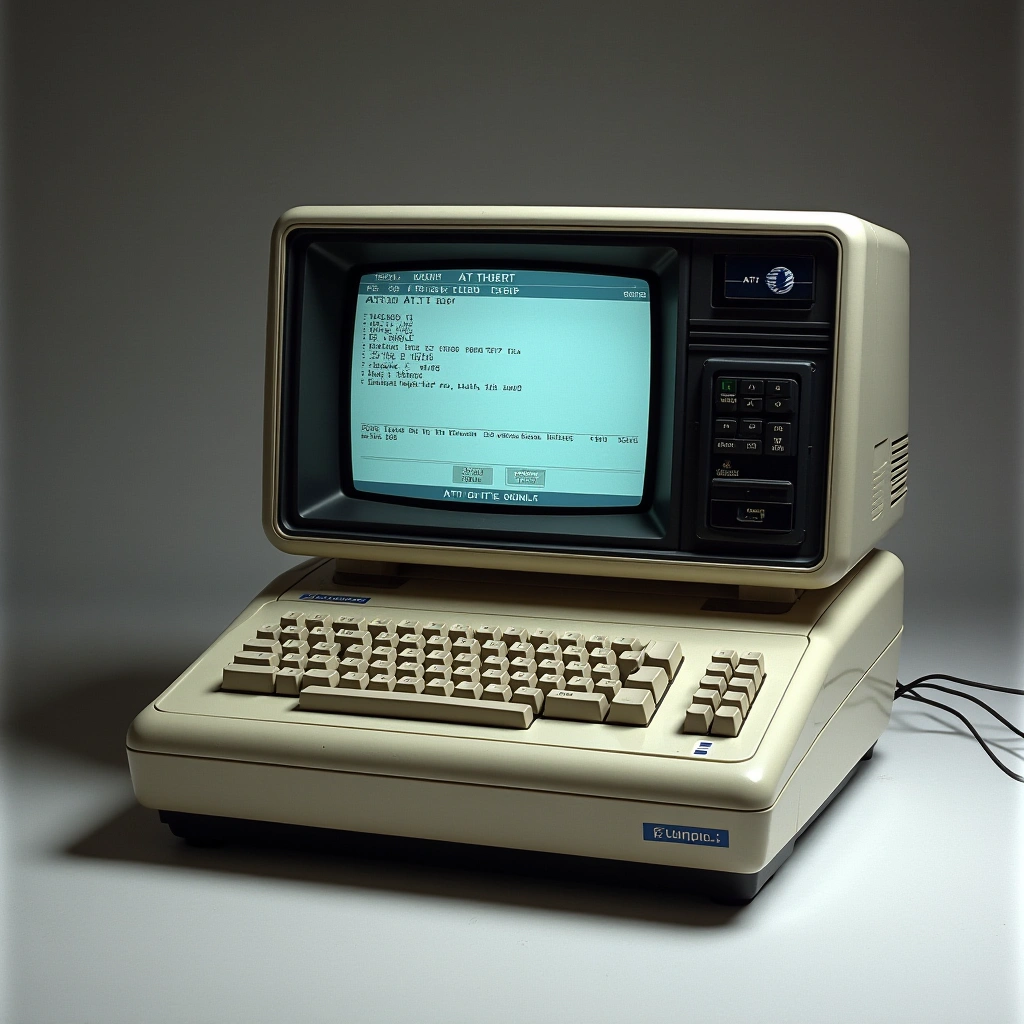
Ah, the 1980s! A time when mullets were fashionable, cassette tapes were the pinnacle of music technology, and, surprisingly, AT&T decided to dip its toes into the world of personal computers with their Unix PC. If you’ve never heard of it, don’t worry—you’re not alone! But let’s travel back in time and take a closer look at this little gem of tech history.
First off, what was AT&T thinking? Picture it: a corporate giant known primarily for telecommunication decides to throw its hat into the personal computing ring. Yes, folks, this was before smartphones and social media, a time when you had to actually talk to people face-to-face. Crazy, right? The Unix PC launched in 1985, and it was equipped with the then-innovative Unix operating system, a powerhouse that was more commonly found in universities and research institutions than in your average living room.
The Unix PC was a bit of a mixed bag, kind of like a fruitcake at Christmas. On one hand, it was a robust system with a multitasking OS and a solid command line interface. On the other hand, it came with a hefty price tag—around $9,000! That’s like buying a small used car today! Unless you were a tech-savvy professional or a researcher, this was about as accessible as a black-tie event in a tuxedo shop.
Let’s not forget the hardware! The Unix PC was powered by a 16 MHz Motorola 68010 processor, which sounds impressive until you realize that your grandma’s toaster probably has more processing power today. It had a maximum of 5MB of RAM and could support up to 40MB of hard drive space! Yes, you heard that right—40MB! You could store your entire collection of floppy disks and still have room for a few cat memes (if only they existed).
Now, you might be wondering, why should we even care about this old dinosaur? Well, dear reader, the Unix PC laid the groundwork for many of the operating systems we use today. It brought Unix into the mainstream consciousness, which indirectly influenced the development of Linux and even macOS. That’s right, the next time you’re praising your sleek MacBook Pro, throw a little respect to the Unix PC. It’s like the distant relative of your favorite tech product—you might not know them well, but they helped shape your life in ways you can’t even imagine.
But alas, like many great things, the Unix PC didn’t last long in the spotlight. It was overshadowed by the rise of Microsoft and the IBM PC standard. In other words, while the Unix PC was busy doing its own thing, Bill Gates was out there painting the town red with Windows, and we all know how that story ends. AT&T eventually pulled the plug on the Unix PC, and it faded into obscurity, much like that one friend who left for a backpacking trip in Europe and never came back.
So here we are, reminiscing about a time when AT&T tried to take on the world of personal computing with a Unix PC that, let’s face it, never really stood a chance. It’s a cautionary tale for tech giants: sometimes, it’s better to stick with what you know—like making phone calls rather than trying to understand why anyone would need a computer to do anything other than play Solitaire.
In conclusion, the Unix PC may not have changed the world, but it’s an important chapter in the saga of technology. So the next time you’re scrolling through Reddit, take a moment to tip your hat to the Unix PC. It may not have been the hero we wanted, but it was certainly the hero we needed—if only for a brief, shining moment.