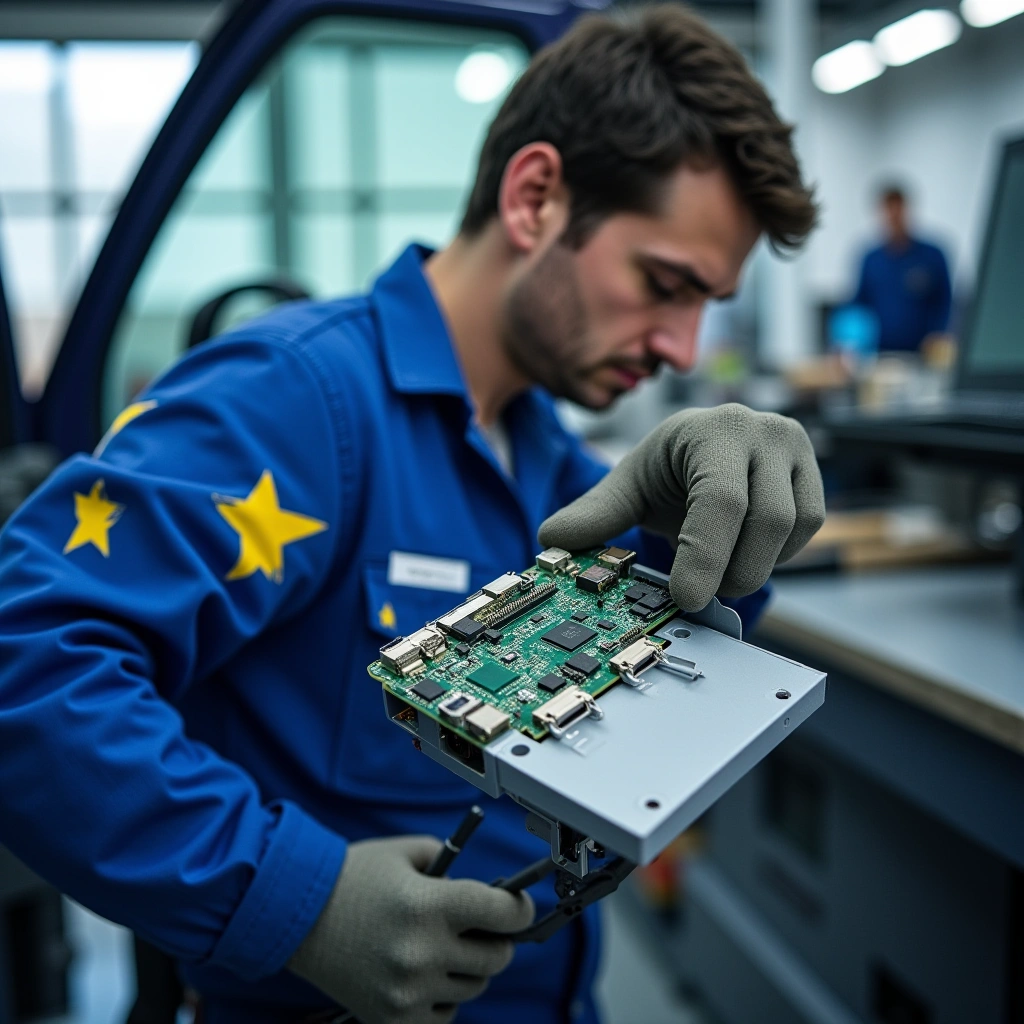
If you’ve ever found yourself staring at a broken gadget, wondering whether to toss it out or pay an arm and a leg to fix it, then grab your popcorn because the EU has just dropped some serious news: the Right to Repair directive is officially live! Yes, folks, this means manufacturers are now required to provide repairs at a reasonable price, supply free repair manuals, and—wait for it—extend warranties by an entire year after a repair. It’s like Christmas came early for consumers, and manufacturers are probably pulling their hair out.
The EU’s Right to Repair Directive, finalized in July 2024, mandates that manufacturers repair technically repairable goods like smartphones and washing machines at a reasonable price and within a reasonable timeframe, even after the warranty expires. To facilitate this, the law prohibits manufacturers from using software locks or contractual clauses that hinder independent repairs and requires the provision of spare parts and repair information. While consumers gain an extended 12-month warranty when choosing repair over replacement, manufacturers face increased operational burdens to maintain repairable product lines and supply chains. This legislation is part of a broader circular economy strategy aimed at reducing e-waste and encouraging sustainable consumption, with full national implementation required by July 2026.
So, what exactly does this mean for you? Well, for starters, if your beloved device decides to take an unexpected vacation to the realm of brokenness, you can now expect to get it repaired without having to sell a kidney. Manufacturers are no longer allowed to charge you a small fortune just to fix that screen crack that you thought was just a fancy new design feature.
And let’s talk about those free repair manuals. Finally, you can stop Googling “how to fix my toaster” and wading through questionable YouTube tutorials that make you question your life choices. Manufacturers will have to provide you with clear, straightforward manuals that won’t make you feel like you need a degree in engineering just to change a light bulb.
But wait, there’s more! If you do get your device repaired, the warranty will be extended by a whole year. That’s right—one whole year! So, if your repaired device decides to go rogue again, you’re covered. You can bask in the glory of your extended warranty like it’s a trophy on your mantelpiece.
Now, let’s not kid ourselves—manufacturers are not exactly thrilled about this directive. You can almost hear the collective groan from the boardrooms of tech giants everywhere. They’ve been living in a world where planned obsolescence was the name of the game. Why let a perfectly good product last forever when you can sell consumers a shiny new version every couple of years? It’s almost like they thought we wouldn’t notice (spoiler alert: we did).
But fear not, this isn’t just a win for consumers; it’s also a step towards a more sustainable future. By making repairs more accessible, we’ll be reducing electronic waste. Imagine a world where your devices can be repaired instead of tossed into a landfill. It’s like a warm, fuzzy feeling that comes with knowing you’re saving the planet one repair at a time.
Of course, there will always be the skeptics who say that this directive won’t change much. They might argue that manufacturers will find loopholes or come up with clever ways to sidestep the rules. And they might be right. But at least now there’s a framework in place that holds them accountable. It’s like giving them a set of rules for a game where they previously made up the rules as they went along.
In conclusion, the EU’s Right to Repair directive is a game-changer for consumers and a headache for manufacturers. It’s a step towards making repairs more accessible and promoting sustainability in a world that desperately needs it. So, the next time your gadget breaks, remember: you have rights! And if anyone tries to charge you a small fortune for a simple fix, just whip out your trusty repair manual and show them who’s boss. Happy repairing!
Inspired by: “The EU’s Right to Repair directive is officially live: Manufacturers are now required to provide re…” (r/technology)