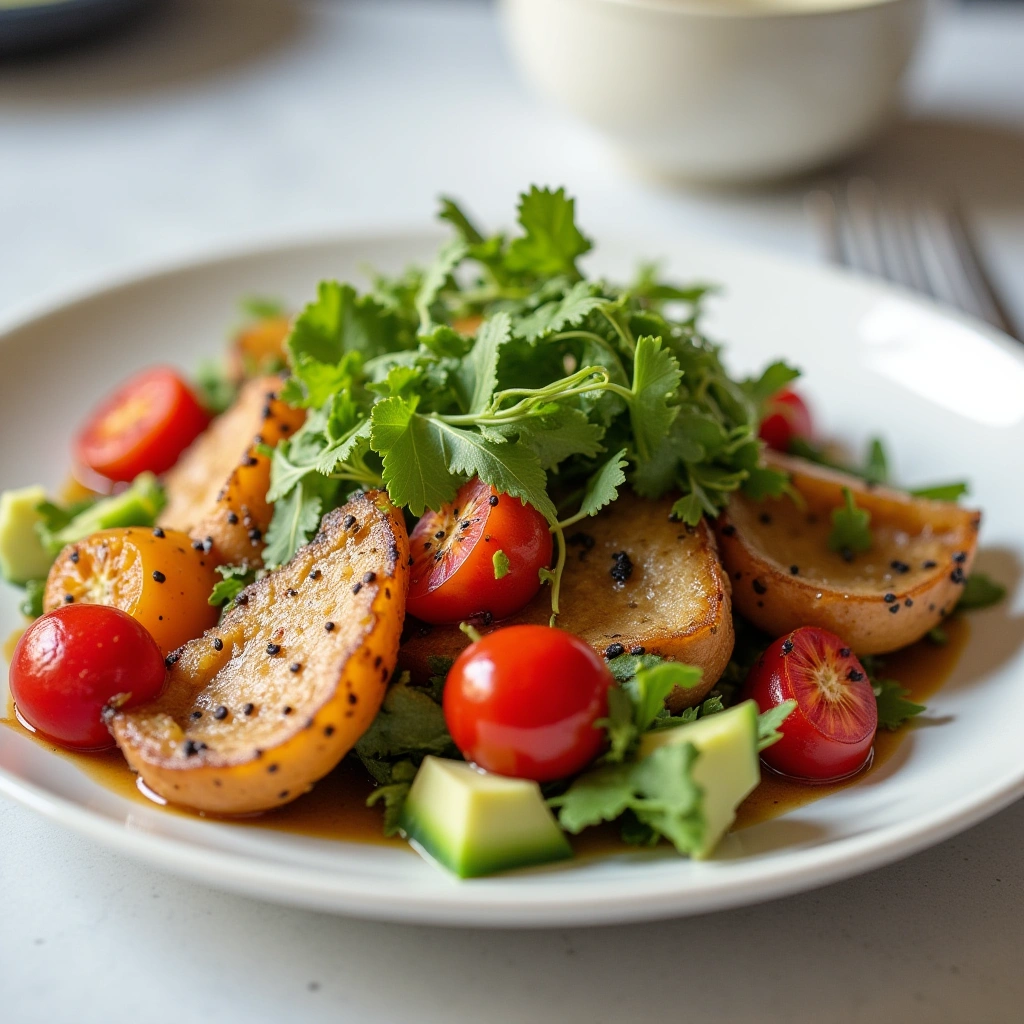
Let’s talk about the struggle that many of us face when trying to eat clean: the noble quest for a healthy diet, all while battling the undeniable urge to use that one pan that seems to have a personal vendetta against cleanliness. You know the one — it’s the trusty skillet that’s been with you through thick and thin (mostly thick, let’s be honest). But why does it always look like it’s been through a war zone after each use?
The biggest problem with the whole “clean plate” thing is that it enforces a goal without considering your personal satiety levels. The best part about nourishing yourself is just that: it’s something you do for yourself and nobody else.
First off, let’s define what we mean by ‘eating clean.’ In the world of health and wellness, eating clean typically means consuming whole, unprocessed foods. Think fresh veggies, lean proteins, and all those trendy superfoods that make you feel like you’re one step closer to being a glowing health guru. But here’s the catch: to truly embrace this lifestyle, you need to keep your kitchen tools — especially your pans — in tip-top shape. And that’s where the trouble begins.
Picture this: you’re in the zone, slicing and dicing your way to a colorful stir-fry. You feel like a culinary master, wielding your spatula like a sword. But then, disaster strikes. You look down at your beloved pan, and it’s a mess. Grease stains, stuck-on bits of food, and let’s not even talk about the aftermath of that one time you tried to make a healthy frittata. You know, the one that turned into a scrambled egg disaster?
Now, you have two choices: you can either embrace the chaos and dive into the deep cleaning abyss, or you can ignore it and hope that the next meal will magically clean the pan for you (spoiler alert: it won’t). It’s a classic dilemma. Cleaning your pan can sometimes feel like a workout in itself, especially when you’re trying to scrub away what seems like a permanent layer of residue.
And let’s be real, who has time for that? You’ve already prepped a week’s worth of quinoa and have a fridge full of greens that are just begging to be eaten. The last thing you want to do is spend your evening wrestling with a frying pan that seems to have been designed by a sadistic engineer.
So, what’s the solution? Well, it all starts with a little bit of planning. First, consider investing in high-quality non-stick cookware. Yes, I know, they cost a pretty penny, but think of it as an investment in your sanity. You’ll find that cooking becomes a breeze, and cleaning up afterward won’t feel like you’ve just run a marathon. Plus, you’ll have more time to bask in the glow of your clean-eating achievements (or just scroll through your phone, whatever works).
Another tip is to embrace the power of soaking. After you finish cooking, fill your pan with warm, soapy water and let it sit while you enjoy your meal. It’s like giving your pan a spa day, and trust me, it will thank you later when you can wipe it clean with minimal effort.
And let’s not forget about the importance of using the right utensils. Wooden or silicone spatulas are your friends here. They won’t scratch your precious non-stick surface, and they make you feel like a professional chef. Plus, there’s something about using fancy tools that makes you feel a bit more sophisticated, even if you’re just whipping up a simple veggie sauté.
In conclusion, while the journey to clean eating is noble and rewarding, it’s often marred by the dirty truth about our cooking equipment. But with the right tools and a little bit of strategic planning, you can conquer the chaos and keep your pans clean — or at least cleaner than they were before. So go ahead, embrace that pan of yours, and let it help you on your clean eating adventure. Just remember to give it a good scrub afterward, or you might find yourself in a love-hate relationship that’s more hate than love.
Inspired by: “The hardest part of trying to eat clean is wanting to use this pan, but trying and failing to keep…” (r/mildlyinfuriating)