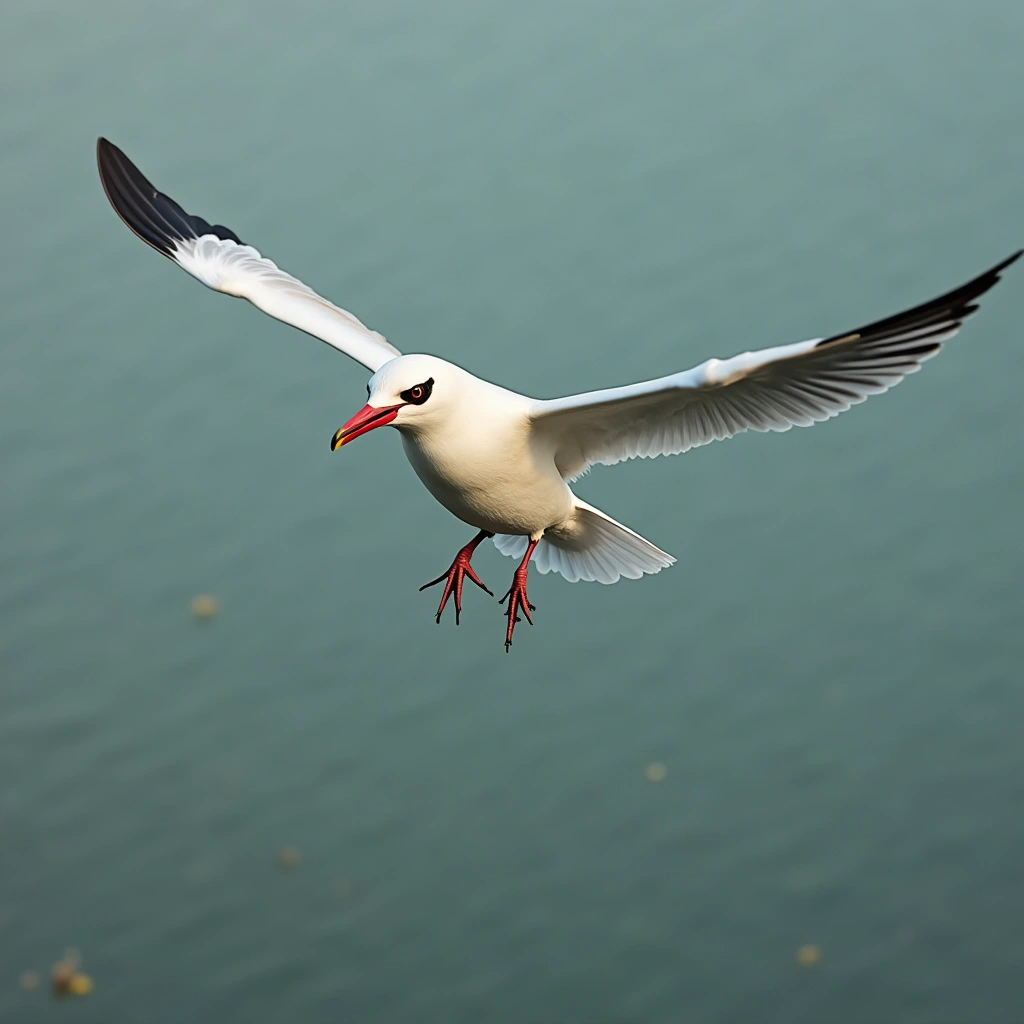
Ah, birdwatching. The serene pastime of observing our feathered friends flitting about in their natural habitats. It’s a hobby that invites calmness, patience, and a dash of excitement when you finally spot that elusive species you’ve been dreaming of. But what happens when the very images that fuel this passion are altered by AI? Buckle up, folks, because it’s about to get a little complicated.
Experts warn increase in enhanced photos on birding platforms creating fake sightings, threatening credibility of tool used by scientists
Recently, a post on Reddit caught my eye, sparking a lively discussion about the implications of AI-altered images on birdwatching forums. The original poster, u/Haunterblademoi, raised some valid concerns about how these doctored images might put bird research at risk. And let’s face it, when it comes to identifying birds, accuracy is key. If you can’t tell a sparrow from a swallow, you might as well be watching paint dry.
The crux of the issue lies in the rise of AI technology that can manipulate images with such finesse that it’s often hard to tell what’s real and what’s been altered. Imagine scrolling through a forum, excitedly clicking on images that claim to showcase rare birds, only to find out that they’ve been spruced up like a contestant on a makeover show. It’s not just misleading; it’s downright dangerous. Researchers rely on these images to track bird populations, migration patterns, and even breeding behaviors. If the data they’re using is based on fraudulent representations, we might as well be trying to navigate using a map of Narnia.
Now, before you start picturing a world where birdwatchers are running around with tinfoil hats, let’s acknowledge that AI has its merits. It can help enhance images or even identify species with remarkable accuracy when used properly. But, like a well-meaning friend who insists on sharing their latest conspiracy theory, it can also lead us down a rabbit hole of misinformation. The danger comes when the line between genuine observations and artificially created content gets blurred.
What’s even more amusing (in a mildly tragic way) is that some birdwatchers are more concerned about the aesthetics of their posts than the integrity of the information they’re sharing. It’s like putting a filter on a photo of a pigeon and calling it a rare eagle. Sure, it looks pretty, but let’s not kid ourselves; that’s not going to help anyone trying to study avian behavior.
So, what can we do about this? For starters, it’s crucial for birdwatching communities to foster a culture of honesty and transparency. Encourage members to share unaltered images and provide context whenever possible. If you’ve spotted a rare bird, by all means, shout it from the rooftops, but let’s keep the embellishments to a minimum. After all, no one wants to be the person who mistakenly identifies a common blackbird as a rare species because they got a little too carried away with Photoshop.
Additionally, researchers and enthusiasts alike should remain vigilant. Cross-referencing images with credible sources can help validate claims and ensure that the information shared is accurate. And while we’re at it, let’s all agree to leave the AI-generated images for the sci-fi movies and not our beloved birdwatching forums.
In conclusion, while AI technology continues to evolve and infiltrate various aspects of our lives, let’s not let it ruffle our feathers when it comes to birdwatching. The beauty of this hobby lies in its authenticity, and it’s our responsibility to preserve that. So, grab your binoculars, head out into the great outdoors, and let’s keep it real—one bird at a time.
Inspired by: “AI-altered images on birdwatching forums putting research at risk” (r/technology)