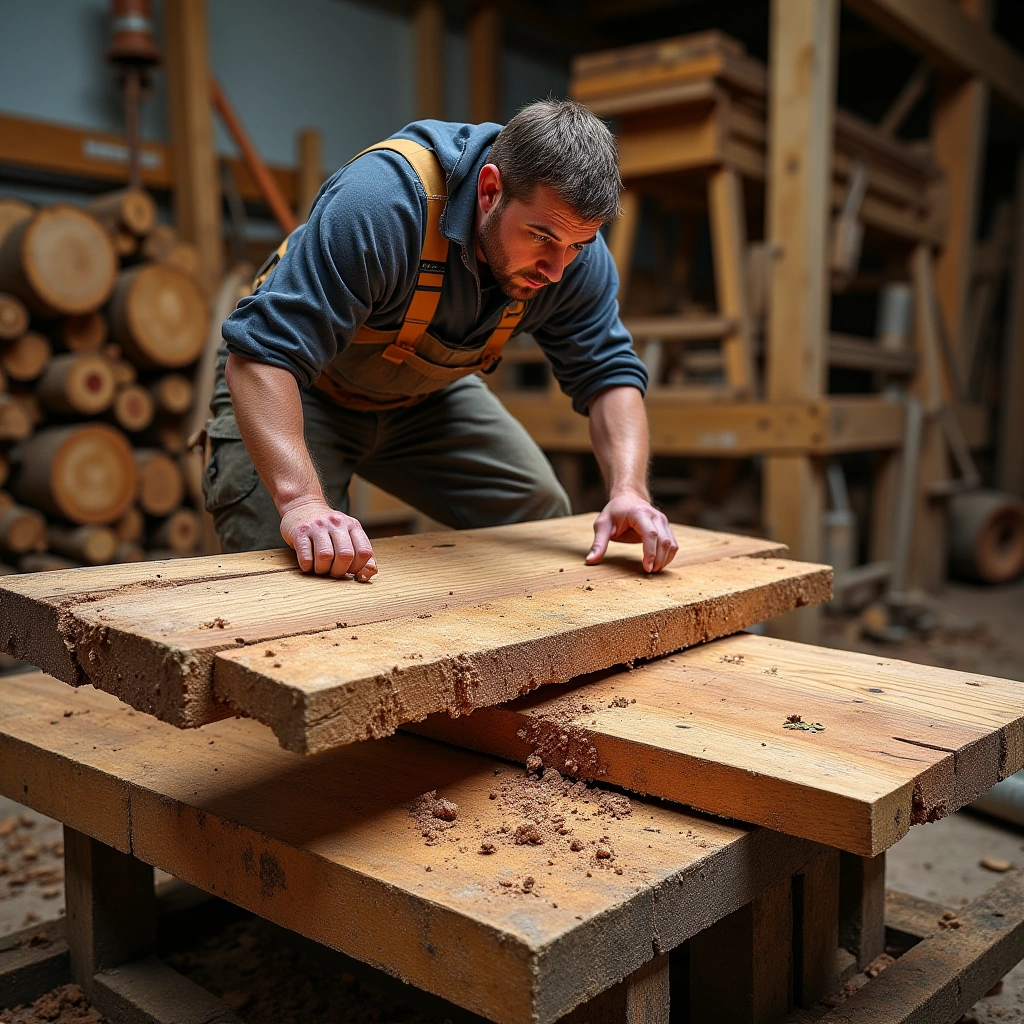
Ah, the majestic tree—a towering giant of nature, standing proud and tall, providing shade, oxygen, and a place for squirrels to plot their next acorn heist. But what happens when that tree meets its inevitable fate? It’s time for a makeover! Yes, we’re talking about the glorious transformation of tree trunks into planks. It’s like a reality TV show for trees, minus the drama and with a lot more sawdust.
First things first, let’s set the scene. Imagine a sunny day in the forest, birds chirping away, and then you hear it—a chainsaw revving up like a rockstar about to go on stage. The tree shivers in anticipation. Will it be a smooth cut, or will it end up looking like a bad haircut? Spoiler alert: it’s all about the technique.
When the lumberjack, or should we say ‘tree stylist,’ approaches the trunk, he’s not just hacking away like some lumber-fueled barbarian. No, no! This is a delicate art form that requires precision. The first step is choosing the right tree. Not every trunk is worthy of becoming a plank; some trees are like that friend who always shows up late and drinks all your beer—just not worth it.
Once a suitable candidate is selected, it’s time to make the cut! The lumberjack will typically use a chainsaw to slice through the trunk, but there’s a bit more to it. The angle of the cut can affect the quality of the wood. Think of it as giving the tree a stylish haircut—too many layers, and it’s a disaster; too few, and it looks like a bootlegged lumberjack!
After the trunk is felled, the real fun begins. The process of turning that tree into planks involves debarking, sawing, and drying. Debarking is like giving the tree a spa treatment—removing the rough exterior to reveal the smooth, sexy wood underneath. Once that’s done, the trunk is sliced into slabs, and voilà! You have planks ready to be turned into furniture, flooring, or just a really expensive set of coasters.
Now let’s talk about the drying process. This is where things get a little controversial. Some woodworkers swear by air drying, while others prefer kiln drying. Air drying is like letting your laundry dry in the sun—free and eco-friendly! But it takes time, and let’s face it, who has that? On the other hand, kiln drying is speedy, but it could be seen as the fast food of the wood world. Sure, you get your planks quicker, but at what cost? The flavor might not be quite right.
In the end, whether you’re a lumberjack or a woodworker, transforming a tree trunk into planks is a labor of love. It’s a process that blends nature with craftsmanship, and even a dash of humor. So next time you sit on that beautiful wooden chair or admire that handcrafted table, take a moment to appreciate the journey of that tree. It went from a proud sentinel of the forest to a fashionable piece of furniture—all while dodging the chainsaw! Talk about a glow-up!