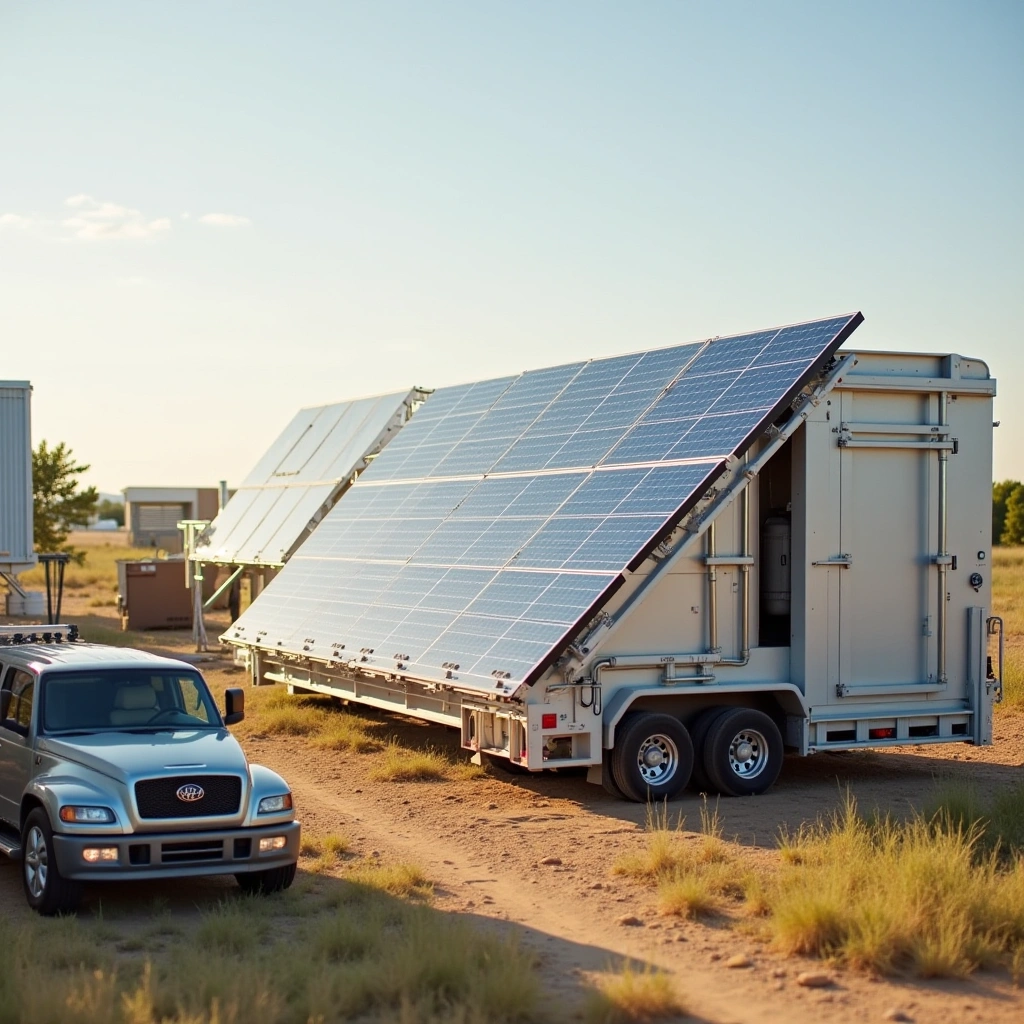
This summer, Texas set new records for power storage from utility-scale batteries, surpassing the previous record by an impressive 25% . According to Doug Lewin, author of The Texas Energy and Power Newsletter, this additional battery storage …
Well, folks, it seems like Texas has pulled off a miracle this summer, and no, I’m not talking about a cowboy lassoing a tornado. I’m referring to the Lone Star State’s impressive management of record electricity demand, thanks to the dynamic duo of solar energy and battery storage. Who would have thought that the land of BBQ and big hats would become a shining beacon of renewable energy?
Let’s set the scene. It was a scorching summer, and while most of us were sweating like popsicles in a sauna, Texans were cranking up their air conditioning units to levels that would make an Arctic expedition feel like a day at the beach. The demand for electricity skyrocketed, and it was up to the energy grid to keep the lights on—and let’s be honest, no one wants to be the one to explain to a Texan why their AC just went kaput in the middle of a heatwave.
Enter solar energy and battery storage, the heroes we didn’t know we needed. Texas has been investing heavily in solar power, and this summer, those shiny panels were working overtime, soaking up the sun like it was a margarita on a hot day. With over 30,000 megawatts of solar capacity, the state was able to harness the sun’s rays to meet the overwhelming demand for electricity. Honestly, it’s like Texas took a page out of a superhero movie, where the sun is the good guy and fossil fuels are the villain, and they finally decided to team up.
But wait, there’s more! Batteries, those little powerhouses that you’ve probably seen in your local electronics store, played a crucial role as well. Energy storage systems allowed Texas to store excess energy generated during the day and release it during peak demand hours—think of them as the state’s energy-saving piggy banks. When the sun went down and the demand didn’t, these batteries kicked in, ensuring that Texans could keep cool without breaking a sweat.
Now, let’s not ignore the elephant in the room: the Texas power grid, famously known as ERCOT, has had its fair share of criticism. Remember the winter storm of 2021? Yeah, that was a tough pill to swallow. But this summer, ERCOT managed to hold it together like a seasoned rodeo clown. The integration of solar and battery systems not only helped the state avoid rolling blackouts but also showcased the potential of renewable energy in a state that’s often associated with oil and gas. Talk about a plot twist!
Of course, not everyone is on board with this renewable revolution. There are still skeptics out there who believe that fossil fuels are the only way to power the great state of Texas. But as we’ve seen this summer, the sun and batteries are proving to be formidable contenders. It’s like a classic showdown at high noon, but instead of cowboys, we have renewable energy technologies stepping up to the plate.
So, what does this mean for the future? Well, if Texas can manage record electricity demand with solar and batteries, it may just inspire other states to follow suit. We could be witnessing the beginning of a shift in the energy landscape, where renewable sources take center stage, and fossil fuels take a backseat.
In conclusion, hats off to Texas for managing to keep the lights on and the air conditioning running this summer. Who knew that the state known for its penchant for big trucks and even bigger BBQ could also be a leader in renewable energy? As the sun sets on this summer, let’s hope that Texas continues to embrace its newfound energy identity—because if they can handle record demand now, just imagine what they could do in the future.
And remember, the next time you’re enjoying a cold drink and basking in the cool air of a Texas summer, you might just have solar panels and batteries to thank for it. Now, if only they could figure out a way to keep the BBQ pits running without the smoke alarms going off…
Inspired by: “Texas handled record electricity demand this summer thanks to solar and batteries” (r/climatechange)