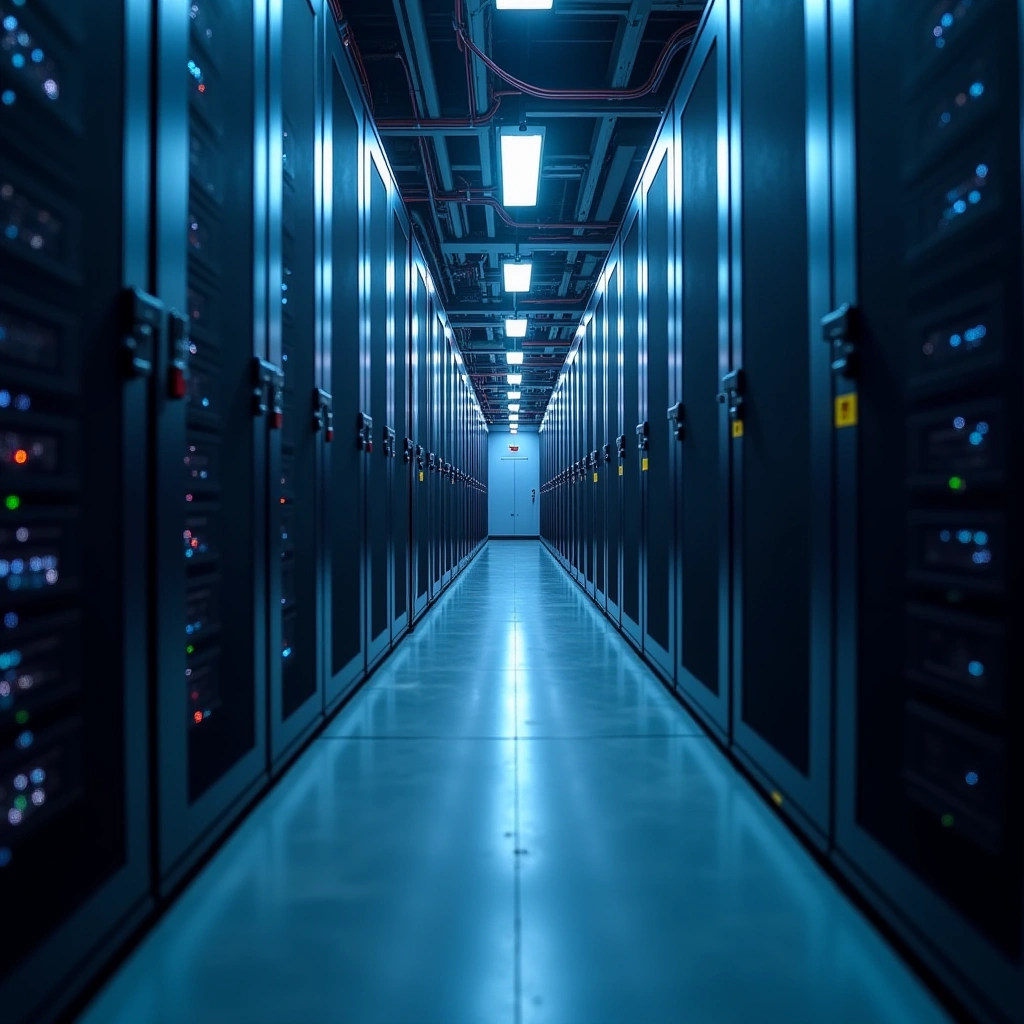
Well, Texas has done it again! In a move that’s both shocking and, let’s be honest, a bit predictable, the Lone Star State has decided to slam the brakes on a whopping 1,800 data centers. Yes, you heard that right—1,800! That’s not just a few extra servers in someone’s garage, folks. We’re talking about a full-on data center extravaganza that’s now facing a moratorium thanks to some rather alarming power grid requirements.
Gov. Greg Abbott ordered a statewide review of proposed data centers Monday as Brownsville officials prepare for a data center workshop Tuesday.
So, what’s the deal? Apparently, the power requests from these data centers are five times higher than the peak record demand, which, if you’re keeping score at home, was a staggering 474 gigawatts. Now, I know what you’re thinking: “Isn’t Texas known for its oil and gas? How can they be running out of power for data centers?” Well, my friend, that’s the magic of modern technology and our insatiable need for data.
You see, data centers are like the hungry hippos of the tech world. They gobble up electricity like it’s going out of style. With the increasing reliance on cloud computing, streaming services, and, let’s not forget, our obsession with cat videos, the demand for data storage and processing power has skyrocketed. And Texas, with its wide-open spaces and less-than-regulated energy market, seemed like the perfect place to set up shop. But now, it looks like the state is having a bit of a reality check.
The Texas power grid, known for its independence and, let’s be real, its occasional meltdowns, is now facing a significant challenge. The Electric Reliability Council of Texas (ERCOT) is stepping in, stating that the current infrastructure simply can’t handle the massive influx of energy requests. And while we’d love to blame it all on those pesky data centers, the reality is that Texas has been slowly but surely stretching its power resources thin for years.
Now, I can hear the tech enthusiasts groaning in unison. “But what about all the innovation and economic growth these data centers bring?” Well, yes, that’s true! Data centers can indeed be economic powerhouses, creating jobs and boosting local economies. But when you start talking about power demands that could light up entire cities, it’s clear that something has to give.
The moratorium on these data centers is a bit of a double-edged sword. On one hand, it’s a necessary step to ensure that the power grid remains stable and reliable. On the other hand, it’s also a reminder that in the race for technological advancement, we might have skipped a few important steps—like making sure we can actually power all this cool tech we’re building.
So, what does this mean for the future? Well, it could be a wake-up call for Texas and other states that are experiencing similar surges in power demand. It’s time to invest in infrastructure, explore renewable energy sources, and perhaps rethink how we consume data. Because let’s face it, if we keep going at this rate, we might end up in a world where we have all the data we could ever want but can’t power our devices to access it.
In conclusion, while Texas has always prided itself on being big—big skies, big steaks, and yes, even big data—it might be time to take a step back and ensure that this big growth doesn’t come at the expense of the little things, like, you know, having enough power to keep the lights on. So here’s to Texas, the land of opportunity, innovation, and now, a much-needed timeout for data centers. Let’s hope they use this time wisely!
Inspired by: “Texas slams on the brakes for 1,800 data centers, power grid requirements are five times higher tha…” (r/technology)