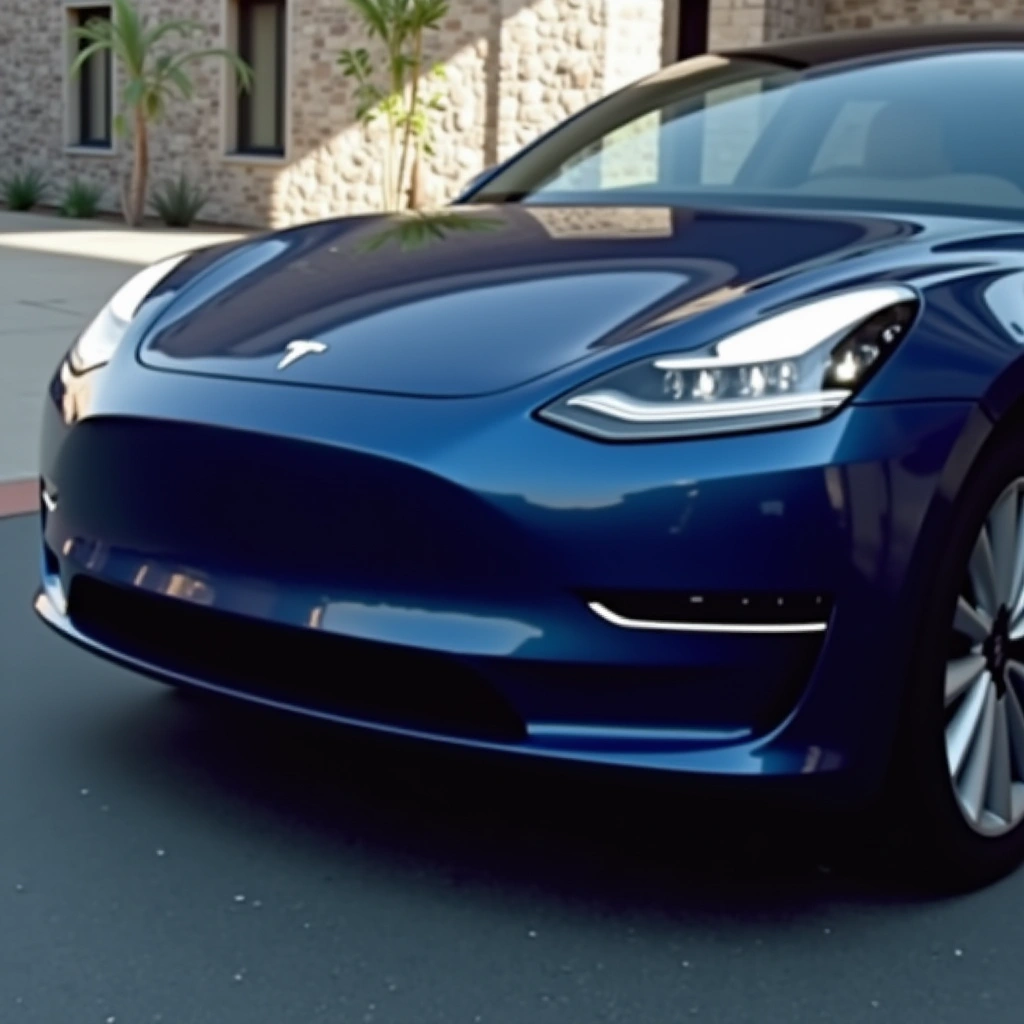
So, you’ve probably heard about the recent kerfuffle surrounding Tesla and its car door defect. If not, let me catch you up. Apparently, some Tesla models have been experiencing issues with their doors not closing properly. Now, before you picture a scene where a driver is frantically trying to close their door while yelling, “Come on, just stay shut!”, let’s dig a little deeper into what this means for the automotive world.
The new rule-making process, outlined in a regulatory filing and first reported by Bloomberg, follows a series of incidents, including fatal ones, in which people have become stuck inside cars with flush, electronically operated door handles like those found on Tesla vehicles. The National Highway Traffic Safety Administration (NHTSA) made the announcement in response to a petition that asked the agency to open a safety defect investigation into the emergency mechanical door release design on 2022 Tesla Model 3 vehicles.
First off, it’s important to recognize that Tesla has made a name for itself in the automotive industry, not just as a car manufacturer, but as a technology company. They’ve been at the forefront of electric vehicles (EVs), pushing boundaries and expectations. However, with great innovation comes great responsibility—or so the saying goes. When issues like this arise, they don’t just impact Tesla; they can also have a ripple effect across the entire industry.
Now, you may be asking yourself, “Why should I care about some car doors that can’t seem to get it together?” Well, my friend, that’s where it gets interesting. The door defect has the potential to lead to stricter regulations for all car manufacturers. Yes, you heard that right. If the powers that be decide that Tesla’s issues are significant enough, they could implement new safety standards that everyone will have to follow. And let’s be honest, nobody wants more regulations. It’s like the government saying, “Hey, we know you’re already overwhelmed, but how about we add more paperwork to your life?” Thanks, but no thanks.
So, what does this mean for the average consumer? Well, it could mean that we all have to deal with more inspections, more red tape, and possibly even higher prices for new cars. Because, you know, when the government gets involved, things tend to get a little more expensive. It’s like ordering a fancy cocktail and then realizing they charged you for the garnish.
Tesla’s issues could also ignite a fire under the seats of other manufacturers, prompting them to take a closer look at their own safety protocols. If they see Tesla getting grilled over door defects, they might start sweating bullets, thinking, “What if our cars have issues we didn’t even know about?” Cue the frantic meetings and emergency inspections.
But here’s the kicker: while we all want our cars to function properly—like, you know, having doors that actually close—there’s a fine line between ensuring safety and turning the automotive industry into a bureaucratic nightmare. Nobody wants to live in a world where you need to fill out a form just to open your car door.
In conclusion, Tesla’s car door defect is more than just a minor inconvenience. It’s a potential catalyst for change in the automotive industry, one that could lead to stricter regulations for everyone. So, the next time you see an article about Tesla’s latest hiccup, remember that it’s not just about them. It’s about all of us who drive cars—whether they’re electric, gas-guzzlers, or whatever else is out there. And who knows? Maybe one day we’ll look back and say, “Remember when car doors were just supposed to close?” Ah, the good old days.
Inspired by: “Tesla’s car door defect could lead to tougher rules for everyone” (r/technology)